What to Do for Facial Swelling After a Root Canal
AppointPanda Team
Dental Health Expert
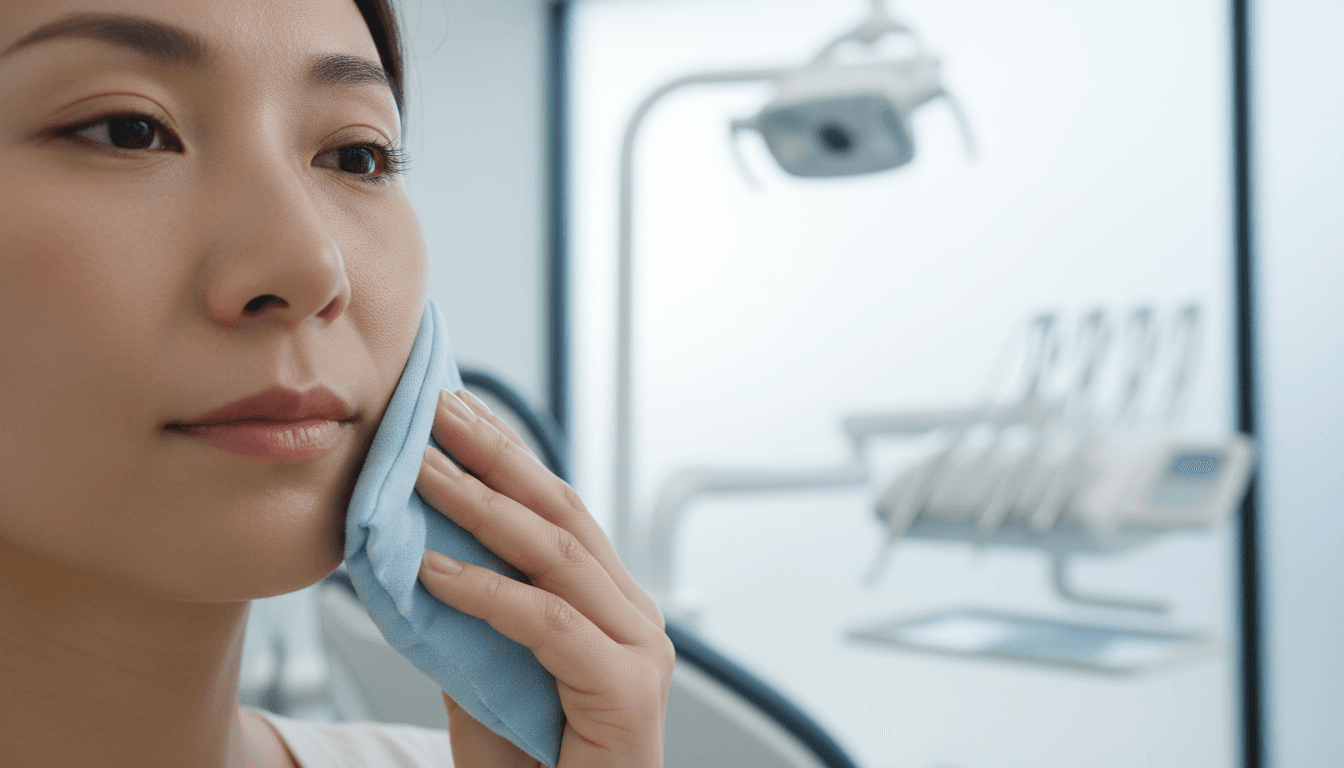
Featured image for: What to Do for Facial Swelling After a Root Canal
Root canal treatment saves millions of teeth every year, offering relief from severe tooth pain and preventing tooth loss. While modern endodontic procedures are remarkably successful and typically comfortable, some patients experience swelling after root canal treatment. If you've noticed your face puffing up in the hours or days following your procedure, you might feel concerned or even alarmed. Understanding why this happens and knowing how to manage it can ease your worries and help you recover more comfortably. Swollen face after root canal treatment is actually a relatively common occurrence, and in most cases, it's a normal part of your body's healing process. Your immune system responds to the dental work by sending extra blood flow and white blood cells to the area, which can cause temporary inflammation and swelling. However, distinguishing between normal post-procedure swelling and signs of complications is crucial for your safety and recovery. This comprehensive guide walks you through everything you need to know about managing facial swelling following root canal therapy. You'll learn what causes the swelling, when it's normal versus concerning, and practical strategies to reduce discomfort and speed healing. Whether you're preparing for an upcoming root canal or currently dealing with post-procedure swelling, this information will help you navigate your recovery with confidence.
Understanding Swollen Face After Root Canal Treatment
A swollen face after root canal can feel distressing, but understanding the underlying causes helps put your mind at ease. During root canal therapy, your endodontist removes infected or inflamed tissue from inside your tooth, cleans the canals thoroughly, and seals them to prevent future infection. This process, while beneficial, involves manipulation of tissues and removal of bacteria that triggers your body's inflammatory response.
Your immune system recognizes the treated area as a site requiring healing attention. Blood vessels dilate to increase circulation, bringing healing factors to the region. White blood cells flood the area to fight any remaining bacteria and clear away debris. This biological response manifests as swelling, warmth, and sometimes mild discomfort around the treated tooth. For most patients, this represents healthy healing rather than a problem.
The extent of pre-existing infection significantly influences post-procedure swelling. If you underwent root canal treatment because of a severe abscess or extensive infection, you're more likely to experience noticeable face swelling after root canal therapy. The bacteria present before treatment caused tissue damage and inflammation, and even after the infection source is removed, your body needs time to repair that damage and calm the inflammatory response.
Certain factors make some individuals more prone to swelling than others. People with compromised immune systems, diabetes, or those taking specific medications may experience more pronounced swelling. Additionally, the complexity of your root canal whether it involves multiple canals, curved roots, or significant infection can influence how much swelling develops afterward. Your body's individual healing response plays a role too, as some people naturally develop more inflammation than others following dental procedures.
Managing Face Swollen After Root Canal Procedures
When you notice your face swollen after root canal treatment, taking immediate action can minimize discomfort and accelerate healing. The first 24 to 48 hours prove most critical for managing swelling effectively. During this window, your body's inflammatory response peaks, making interventions particularly beneficial for reducing puffiness and promoting comfort.
Cold therapy stands as your first line of defense against post-root canal swelling. Apply ice packs wrapped in a thin towel to the outside of your face near the affected area for 15-20 minutes at a time, with at least 20-minute breaks between applications. This technique constricts blood vessels, reduces fluid accumulation in tissues, and provides numbing relief. Continue cold therapy throughout the first day following your procedure, as consistent application during this early period yields the best results for minimizing swelling.
Proper head elevation significantly impacts swelling reduction, especially during sleep. When you lie completely flat, gravity allows fluid to pool in your facial tissues, increasing puffiness. Keep your head elevated above your heart level by propping yourself up with multiple pillows or sleeping in a recliner for the first few nights after your root canal. This simple positional change helps fluid drain away from your face, noticeably reducing swelling by morning.
Your dentist likely prescribed or recommended anti-inflammatory medication following your root canal, and taking it as directed plays a crucial role in managing swelling after root canal treatment. Medications like ibuprofen not only relieve pain but also directly reduce inflammation at the cellular level. Take your medication on schedule rather than waiting for pain or swelling to worsen maintaining consistent levels of anti-inflammatory agents in your system prevents swelling from escalating.
Rest and limited physical activity support your healing process during the first few days after treatment. Strenuous exercise increases blood pressure and circulation, which can exacerbate swelling and potentially cause bleeding at the treatment site. Plan to take it easy for at least 24-48 hours, avoiding heavy lifting, intense workouts, or activities that cause you to bend over repeatedly. Your body needs energy and resources to heal, so giving it that opportunity pays dividends in faster recovery.
Addressing Jaw Swelling After Root Canal Treatment
Jaw swelling after root canal treatment sometimes extends beyond the immediate tooth area, creating puffiness along your jawline or under your chin. This pattern occurs because inflammation can spread to surrounding tissues, including muscles, ligaments, and soft tissues that support your jaw. While this might look alarming, it typically follows the same healing timeline as localized swelling and responds well to the same management strategies.The masseter muscle, which controls chewing, and other jaw muscles can become inflamed after root canal therapy, especially if you hold your mouth open for an extended period during the procedure. This muscular inflammation contributes to jaw swelling and may cause temporary stiffness or discomfort when opening your mouth wide. Gentle jaw stretches and warm compresses (after the first 48 hours) can help relieve this muscular tension and associated swelling.Lymph node involvement sometimes contributes to jaw swelling after root canal procedures. Your lymph nodes help filter bacteria and inflammatory substances from your tissues, and those located under your jaw and along your neck may temporarily enlarge as they process the cellular debris from the treated infection. Slightly swollen, tender lymph nodes in this area are generally normal and should shrink as healing progresses. However, hard, significantly enlarged, or progressively growing lymph nodes warrant professional evaluation.Jaw pain one side commonly accompanies swelling after root canal treatment on that same side. This discomfort results from the combination of tissue manipulation during the procedure, post-operative inflammation, and sometimes jaw muscle fatigue from keeping your mouth open. Managing this pain with prescribed or over-the-counter pain medication, along with the swelling reduction techniques mentioned earlier, typically provides adequate relief. If jaw pain intensifies rather than gradually improving over the first week, contact your dentist for evaluation.
Dealing With Cheek Swelling After Root Canal
Cheek swelling after root canal treatment affecting upper teeth is particularly common because the roots of upper teeth sit close to the maxillary sinus and cheek tissues. When these teeth require root canal therapy, the proximity of anatomical structures means that inflammation easily extends into cheek tissues. Upper molars and premolars, with their close relationship to the sinus cavity, frequently cause noticeable cheek puffiness after endodontic treatment.
The buccal fat pad, a collection of fatty tissue in your cheek, can retain fluid when nearby tissues become inflamed. This retention creates the puffy appearance many patients notice after root canal therapy on upper teeth. While aesthetically bothersome, this swelling rarely indicates complications and typically resolves within three to seven days as inflammation subsides and your body reabsorbs the accumulated fluid.
Differentiating between normal cheek swelling after root canal and problematic swelling requires attention to specific characteristics. Normal swelling peaks within 48-72 hours then gradually decreases, feels soft and squishy to touch, and responds well to cold therapy and elevation. Concerning swelling continues increasing after 72 hours, feels hard or hot to touch, accompanies worsening pain or fever, or interferes with breathing or swallowing these signs require immediate professional attention.
Maintaining a soft food diet minimizes aggravation to swollen cheek tissues. Chewing on the opposite side of your mouth from the treated tooth prevents unnecessary pressure on inflamed tissues. Avoid extremely hot foods and beverages, as heat can increase inflammation and discomfort in already swollen areas. Cool, soft foods like yogurt, smoothies, mashed potatoes, and scrambled eggs provide nutrition without stressing healing tissues.
Managing Face and Eye Swollen After Root Canal
When patients experience face and eye swelling after root canal treatment, concern naturally intensifies. Periorbital swelling puffiness around the eyes occasionally develops after root canal therapy on upper teeth, particularly upper canines and incisors whose roots extend close to the floor of the orbital cavity. While this dramatic swelling can be frightening, it usually represents extensive but benign inflammatory response rather than serious complications.
The loose connective tissue around your eyes allows fluid to accumulate easily, which is why even moderate facial inflammation can create noticeable eye puffiness. Gravity causes this fluid to settle in the lower eyelids when you're upright and can create upper eyelid swelling after sleeping. Consistent elevation of your head, even during daytime rest periods, helps minimize fluid accumulation around your eyes.
Cold compresses prove particularly beneficial for face and eye swollen after root canal situations. The cooling effect reduces inflammation while the gentle pressure encourages fluid drainage. When applying cold therapy near your eyes, use extra caution to wrap ice packs thoroughly in soft cloth and never apply pressure directly to your eyeball. Gentle application to the cheekbone and upper cheek areas near the eye provides benefits without risking eye injury.
Certain symptoms accompanying eye swelling require immediate medical evaluation. If you experience vision changes, severe eye pain, inability to move your eye normally, or if the swelling progressively worsens and interferes with your ability to open your eye, seek emergency care immediately. These signs could indicate rare but serious complications like orbital cellulitis that require urgent antibiotic treatment. While such complications are extremely uncommon following root canal therapy, vigilance protects your health and vision.
Controlling Pain and Swelling After Root Canal
Pain and swelling after root canal typically occur together, as inflammation causes both symptoms. Managing them effectively requires a comprehensive approach addressing multiple aspects of healing. Your dentist's post-operative instructions form the foundation of your recovery plan, and following them precisely optimizes outcomes and minimizes discomfort.Prescription pain medications serve important purposes beyond comfort. Strong pain relief allows you to rest adequately, maintain nutrition by eating without excessive discomfort, and reduces stress that can slow healing. Take prescribed medications exactly as directed, on schedule rather than waiting for pain to become severe. This proactive approach maintains steady medication levels that prevent pain from escalating and breaking through.Antibiotic therapy, if prescribed, must be completed fully even if symptoms improve before you finish the medication. Root canal treatment removes most infected tissue, but antibiotics clear any remaining bacteria and prevent reinfection. Stopping antibiotics prematurely allows resistant bacteria to survive and multiply, potentially causing persistent or recurrent infection that manifests as renewed pain and swelling after root canal.Implementing tooth pain relief strategies alongside swelling management creates comprehensive comfort. Beyond medication, gentle saltwater rinses (after the first 24 hours) keep the area clean and promote healing. Avoid disturbing the treated tooth—don't probe it with your tongue, touch it with your fingers, or chew directly on it until your dentist confirms complete healing. These precautions prevent irritation that could trigger increased pain and inflammation.
Complementary Care and Recovery Support
While managing post-root canal swelling, supporting your overall health accelerates recovery. Proper nutrition provides your body with the raw materials needed for tissue repair and immune function. Focus on protein-rich foods that supply amino acids for building new tissues, along with vitamins C and D that support healing and reduce inflammation. Smoothies offer an excellent vehicle for nutrient-dense foods that require no chewing.
Hydration plays an often-overlooked role in managing swelling and promoting healing. Adequate fluid intake helps your body flush inflammatory substances and maintains healthy circulation. Aim for eight glasses of water daily, or more if you're taking medications that cause dry mouth. Avoid alcohol during your recovery period, as it can interfere with healing and may interact negatively with prescribed medications.
Stress management supports healing by reducing cortisol and other stress hormones that can impair immune function and prolong inflammation. The discomfort and appearance of facial swelling can feel stressful, creating a cycle that hinders recovery. Practicing relaxation techniques like deep breathing, meditation, or listening to calming music helps break this cycle. Remind yourself that the swelling is temporary and that you're taking effective steps to manage it.
Sleep quality significantly impacts healing speed. Your body performs most tissue repair during deep sleep stages, making adequate rest essential for recovery from root canal treatment. The head elevation recommended for swelling management might initially make sleep more challenging, so experiment with pillow arrangements until you find a comfortable position. Consider using a travel neck pillow to maintain head position without sliding down during the night.
When to Contact Your Dentist or Seek Emergency Care
While most swelling after root canal resolves uneventfully with home management, certain situations require professional intervention. Knowing when to contact your dentist versus when to seek emergency medical care ensures you receive appropriate help if complications develop. Most endodontists and general dentists provide after-hours emergency contact information don't hesitate to use it if you're concerned.
Contact your dentist within 24 hours if swelling worsens significantly after the third day, spreads to involve your neck or the area under your tongue, or if you develop new symptoms like persistent bad taste or drainage. These signs may indicate that additional treatment is needed, such as prescription adjustments, additional cleaning of the treated tooth, or in rare cases, referral to an oral surgeon for drainage of a persistent abscess.
Seek immediate emergency medical care if you experience difficulty breathing or swallowing, high fever (above 101°F or 38.3°C), severe pain uncontrolled by prescribed medication, or rapidly progressing swelling that spreads across your face or down your neck. These symptoms, while rare, can indicate serious infections requiring intravenous antibiotics and hospital monitoring. Emergency departments can provide immediate intervention while coordinating with your dentist for follow-up care.
Trust your instincts about your body's signals. If something feels seriously wrong or if you're experiencing symptoms that significantly worsen rather than gradually improve, seeking professional evaluation provides peace of mind and ensures your safety. Dentists would rather evaluate you for a non-urgent concern than have you wait at home with a developing complication that becomes more difficult to treat.
Long-Term Outlook and Prevention
Understanding that post-root canal swelling represents a temporary phase in your healing journey helps maintain perspective during recovery. Most patients notice significant improvement within three to five days, with complete resolution of swelling within one to two weeks. Your treated tooth requires additional time to fully heal internally—complete healing of the bone and tissues surrounding the tooth roots can take several months, though you won't notice this process.Following up with your dentist for scheduled appointments ensures proper healing monitoring. These visits allow your dentist to verify that inflammation is resolving appropriately and that your permanent crown or filling can be placed at the optimal time. Skipping follow-up appointments risks incomplete treatment or missed complications that could compromise your tooth's long-term prognosis.Preventing future root canal needs protects you from experiencing post-procedure swelling again. Excellent daily oral hygiene, including twice-daily brushing and daily flossing, prevents the decay and infection that necessitate root canal treatment. Regular dental checkups allow early detection of cavities when they can be treated with simple fillings rather than waiting until infection develops and root canal becomes necessary.If you're interested in enhancing your smile after your root canal recovery, exploring best [Teeth Whitening treatments] can restore your confidence. Professional whitening options provided by your dentist offer safe, effective results that complement your restored tooth. Discussing whitening with your dental team ensures timing and methods are appropriate for your specific situation, including the presence of your root canal-treated tooth.
Frequently Asked Questions
Get More Dental Tips
Subscribe to get weekly articles delivered to your inbox