How to Clean and Maintain Invisalign® Aligners for Optimal Results
Dr. Liza Day
Dental Health Expert
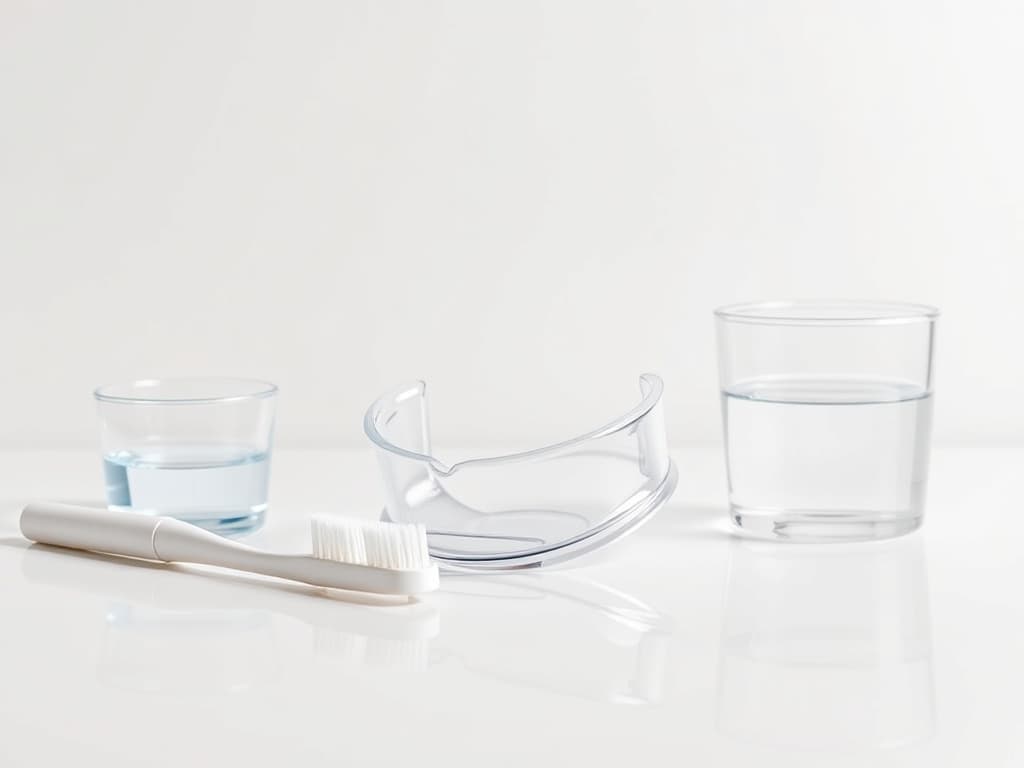
Featured image for: How to Clean and Maintain Invisalign® Aligners for Optimal Results
A comprehensive guide on how to clean and maintain Invisalign® aligners, covering daily care, deep cleaning options, handling tips, common myths, and when to seek professional advice.
Invisalign® aligners are a popular, removable option for straightening teeth. Because they are worn for most of the day, the way they are cared for can affect both oral health and the progress of treatment. Many people wonder what routine is safe, how often a deeper clean is needed, and which habits might unintentionally damage the trays.
Understanding proper care is important because neglecting cleaning can lead to plaque buildup, discoloration, unpleasant odors, or even a compromised fit. When an aligner does not sit correctly, the gentle forces intended to move teeth may be reduced, potentially extending the overall treatment time. This article explains the principles behind aligner maintenance, outlines practical daily and periodic care strategies, and highlights common misconceptions that can be avoided.
What Invisalign® Aligners Are and How They Work
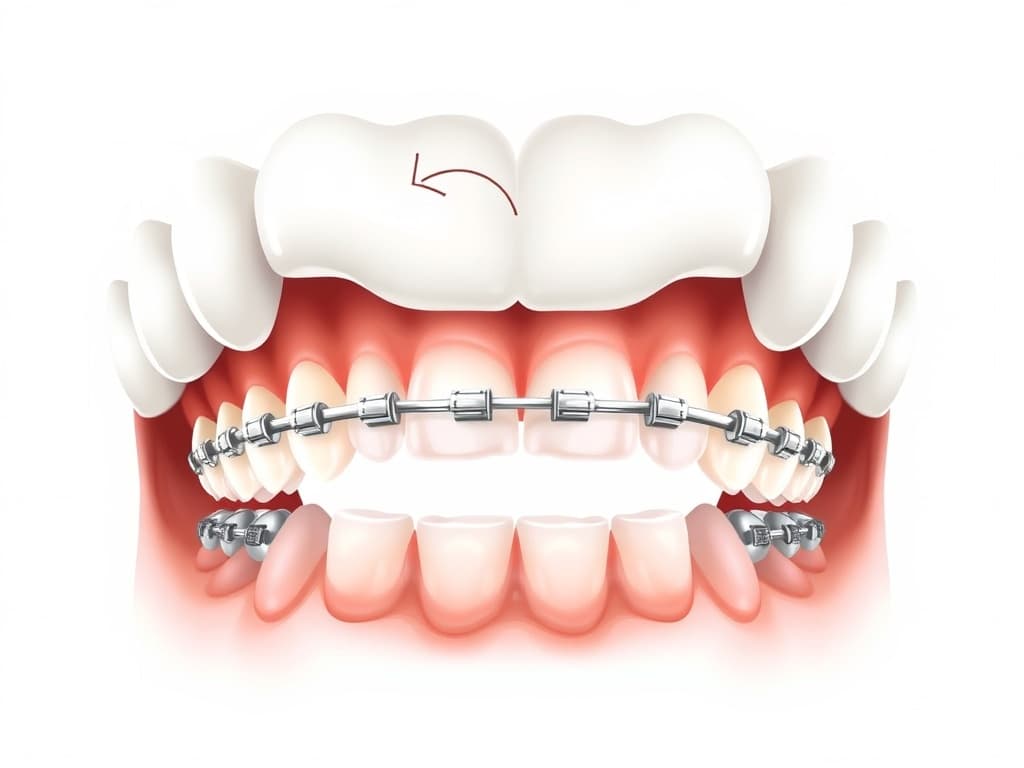
Invisalign® aligners are custom‑fabricated, clear thermoplastic trays that fit snugly over the teeth. Each set of trays is designed to apply a specific, calibrated force that nudges teeth a few millimetres toward their intended positions. The aligner material is engineered to be flexible enough for removal yet rigid enough to transmit force consistently.
Because the trays are worn for 20–22 hours per day, they sit directly against the gingival tissues and the tooth surfaces. This close contact creates an environment where food particles, saliva, and bacterial biofilm can accumulate if the aligner is not cleaned regularly. The material itself is also sensitive to certain chemicals and extreme temperatures, which can cause warping or clouding.
Why Proper Cleaning and Maintenance Matter
Maintaining clean aligners serves several purposes. First, it helps control the bacterial load in the mouth, reducing the risk of cavities, gum inflammation, or bad breath while the trays are in place. Second, a clear, stain‑free aligner allows the wearer to maintain confidence in the aesthetic aspect of treatment. Third, consistent cleaning helps preserve the physical integrity of the plastic, ensuring that the aligner continues to fit as intended.
When aligners become discolored or develop surface roughness, they may trap more plaque, creating a feedback loop that worsens oral hygiene. In addition, a distorted or weakened tray can lose its ability to deliver the prescribed force, potentially slowing down tooth movement or requiring a replacement from the orthodontic provider.
Everyday Care: Routine Cleaning Practices
Most dental professionals recommend a simple, gentle routine after each meal. Rinsing the aligners under lukewarm running water helps dislodge loose food particles. A soft, non‑abrasive toothbrush can be used to brush the surface lightly; it is advisable to avoid toothpaste, which often contains mild abrasives and pigments that can scratch the plastic.
Instead of toothpaste, a clear, fragrance‑free liquid soap or a dedicated aligner‑cleaning spray can be applied. The aligner should be brushed in a circular motion for a few seconds on each side, then rinsed thoroughly. This routine is generally sufficient to keep the trays free of visible debris and to minimise bacterial growth between deeper cleanings.
Periodic Deep Cleaning: Options and Considerations
In addition to daily rinsing, many users find it helpful to perform a deeper clean once or twice a week, depending on lifestyle and dietary habits. Commercially available cleaning crystals designed for clear aligners are formulated to dissolve biofilm without harming the plastic. The usual instruction is to dissolve the recommended amount of crystals in a cup of lukewarm water, then soak the aligners for the specified time, typically 15–30 minutes.
Alternative home solutions, such as a diluted white‑vinegar solution (one part vinegar to three parts water), have been discussed in dental literature as a low‑cost option for occasional use. However, prolonged exposure or high concentrations can increase the risk of surface etching, so it is important to limit soak time and rinse the aligner well afterward. Strong chemicals such as bleach, hydrogen peroxide, or alcohol‑based mouthwashes are generally discouraged because they may cause discoloration or weaken the material.
Handling and Storage Tips to Prevent Damage
Because the aligner material can be affected by temperature, it is advisable to keep the trays away from direct heat sources. Storing them in a hard‑plastic case when not in use protects them from accidental bending or dropping. The case should be kept in a cool, dry place, and it is best to avoid leaving it in a car on a hot day.
When removing or inserting the aligner, using clean, dry hands helps prevent the transfer of oils or debris onto the tray. Some users find it helpful to hold the aligner by the edges rather than the central surface, reducing the chance of creating micro‑scratches. If an aligner is accidentally dropped, inspecting it for cracks before reinserting is prudent; a compromised tray may not fit properly and could affect treatment progress.
Common Misconceptions About Aligners Care
- Boiling water will sterilise the aligner. The high temperature can warp the thermoplastic, altering the fit.
- Toothpaste is safe because it cleans teeth. Abrasive particles in toothpaste can scratch the clear surface, creating areas where plaque can hide.
- Bleach or strong disinfectants are effective. These agents may cause discoloration and degrade the material over time.
- Skipping cleaning on weekends is harmless. Even short periods without cleaning allow bacterial colonies to multiply, especially if the aligner is worn continuously.
Understanding these myths helps users choose methods that protect both the aligner and the surrounding oral tissues.
How Maintenance Influences Treatment Progress
Consistent cleaning contributes to a stable environment for tooth movement. When an aligner remains clear and fits tightly, the engineered forces are delivered as planned. Conversely, a stained or warped tray may not engage the teeth fully, reducing the magnitude of force and potentially extending the duration of each stage.
Moreover, good hygiene reduces the likelihood of developing cavities or gum irritation, which could otherwise require a pause in aligner wear. Dental professionals often monitor the condition of the trays during appointments; a well‑maintained aligner typically signals that the patient is following the recommended wear schedule, which is a positive indicator for treatment success.
When to Seek Professional Guidance
If an aligner develops a noticeable crack, persistent cloudiness that does not improve with cleaning, or an uncomfortable fit, it is advisable to contact the orthodontic provider. They can assess whether a replacement is needed or if an adjustment to the treatment plan is warranted. Additionally, persistent bad breath, gum soreness, or signs of decay while wearing aligners should prompt a dental visit, as these symptoms may indicate that the cleaning routine needs reinforcement.
Professional advice is also valuable when considering any alternative cleaning method that is not explicitly recommended by the manufacturer. A dentist can help evaluate the safety of a proposed solution and suggest evidence‑based options.
Frequently Asked Questions
How often should I clean my Invisalign® aligners?
Most clinicians suggest rinsing the trays with water and gently brushing them after every meal, followed by a more thorough soak with a clear‑aligner cleaning solution once or twice a week. The exact frequency can vary based on individual habits and dietary choices.
Can I use regular toothpaste to clean my aligners?
It is generally discouraged because toothpaste contains mild abrasives that can scratch the plastic. A soft toothbrush used with clear soap or a dedicated aligner cleaner is a safer alternative.
What should I do if my aligner becomes stained?
Stains often respond to a short soak in a manufacturer‑approved cleaning crystal solution. If discoloration persists, avoiding harsh chemicals and consulting the orthodontist for a possible replacement is recommended.
Is it safe to use mouthwash on my aligners?
Alcohol‑based mouthwashes can degrade the material over time, while some fluoride‑rich rinses may cause clouding. If a mouthwash is desired, choosing an alcohol‑free, non‑aesthetic formula and using it only briefly before rinsing the aligner is a cautious approach.
What if I lose my aligner case?
While a case primarily protects the aligner from physical damage, a clean, dry container (such as a small, sealable plastic box) can serve as a temporary substitute. However, it is important to keep the aligner away from heat and to replace the case with a proper one as soon as possible.
Conclusion
Cleaning and maintaining Invisalign® aligners is a straightforward yet essential component of successful orthodontic treatment. By incorporating gentle daily rinsing, periodic deep cleaning with appropriate solutions, careful handling, and awareness of common myths, wearers can help preserve the clarity, fit, and effectiveness of their trays. When uncertainty arises—whether due to damage, persistent discoloration, or oral discomfort—consulting a dental professional ensures that the treatment stays on track and that oral health remains protected.
Dr. Liza Day
Dental health content specialist at AppointPanda, dedicated to helping patients make informed decisions about their dental care through comprehensive, accurate information.
Get More Dental Tips
Subscribe to get weekly articles delivered to your inbox