The Complete Guide to Braces Cost Without Insurance: What You Really Need to Know
Dr. Allen V
Dental Health Expert
Featured image for: The Complete Guide to Braces Cost Without Insurance: What You Really Need to Know
Considering braces without insurance? Costs vary ($3K-$10K), but this guide breaks down pricing factors and smart solutions to make this investment affordable.
Getting braces is a significant investment in your oral health and confidence, but figuring out the actual cost without insurance can feel like solving a puzzle. If you're exploring orthodontic treatment on your own dime, you're not alone—millions of Americans pay for braces out-of-pocket every year. Let me walk you through everything you need to know about braces costs, what affects pricing, and how to make this investment work for your budget.
Understanding the True Cost of Braces Without Insurance
When you don't have insurance coverage, the cost of braces typically ranges from $3,000 to $10,000, depending on several factors. Here's what you're actually paying for: the orthodontist's expertise, the materials and technology used, regular adjustment appointments (usually every 4-8 weeks), emergency visits if needed, and the retainers you'll wear after treatment ends.
The average treatment duration is 18 to 24 months, although some cases may be shorter or longer. During this time, you'll visit your orthodontist regularly for adjustments and monitoring. Each of these visits is included in your total treatment cost, which is why orthodontists typically offer payment plans rather than charging per appointment.
If you're looking for qualified orthodontists in your area, AppointPanda's dental directory makes it easy to find and compare providers based on location, specialties, and patient reviews.
Breaking Down Braces Costs by Type
Traditional Metal Braces: $3,000 to $7,000
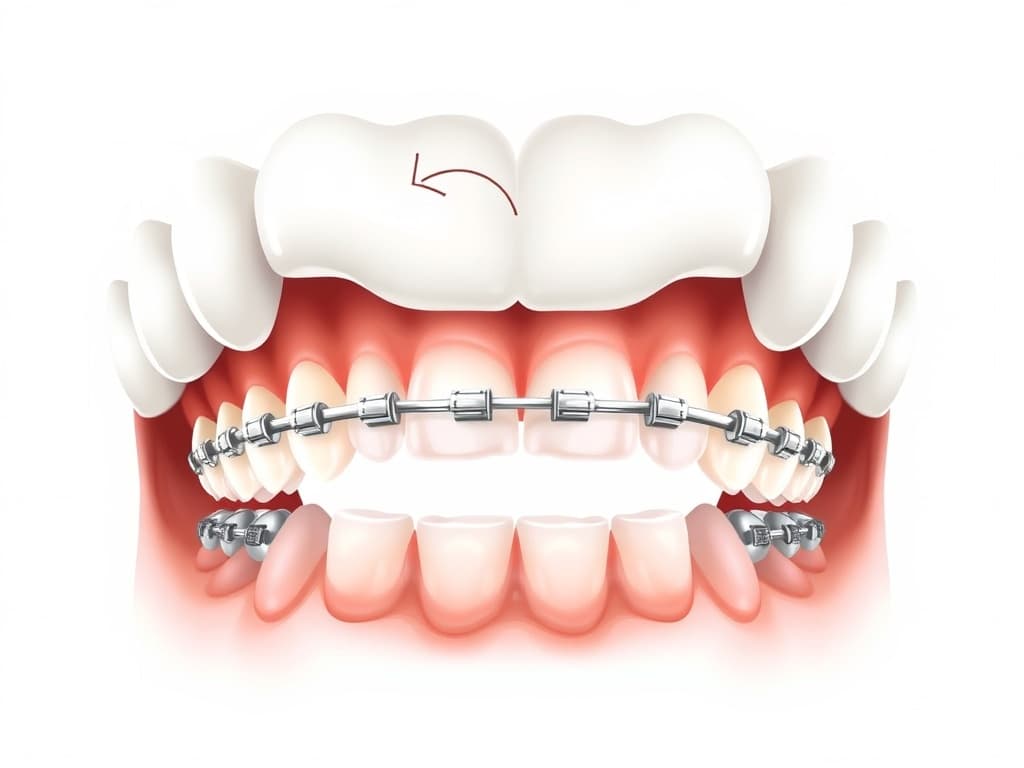
These are the classic braces you probably picture when you think of orthodontic treatment. They use metal brackets bonded to each tooth, connected by a wire that's periodically tightened to shift your teeth into place. Modern metal braces are smaller and more comfortable than older versions, and they're the most affordable option available.
Metal braces work through constant, gentle pressure. Your orthodontist attaches brackets to each tooth using dental cement, then threads an archwire through them. Small elastic bands (ligatures) hold the wire in place. Every few weeks, your orthodontist adjusts the wire tension, gradually moving your teeth into their proper positions. This method has been refined over the course of several decades and remains highly effective for complex cases.
Ceramic Braces: $4,000 to $8,000
Ceramic braces function identically to metal braces but use tooth-colored or clear brackets that blend with your natural teeth. The wire can also be tooth-colored, making the entire apparatus much less noticeable. This cosmetic advantage comes with a higher price tag, typically $1,000 to $2,000 more than metal braces.
The ceramic material is strong but slightly more brittle than metal, so you'll need to be careful with very hard or sticky foods. Some people choose ceramic brackets for their upper teeth (which show more when you smile) and metal brackets for lower teeth to save money while maintaining a more subtle appearance.
Lingual Braces: $8,000 to $10,000
Lingual braces represent the most discreet traditional bracing option because they're placed on the back (tongue-side) of your teeth, making them virtually invisible to others. They use the same bracket-and-wire system as traditional braces but require specialized training for orthodontists to install and adjust properly.
This placement makes lingual braces more challenging to clean and can affect your speech initially as your tongue adjusts to the presence of brackets. The higher cost reflects the additional expertise required and the custom fabrication needed for each bracket to fit the back surface of your teeth perfectly.
Clear Aligners (Like Invisalign): $3,000 to $8,000
Clear aligners have revolutionized orthodontics by offering a removable, nearly invisible alternative to traditional braces. You wear a series of custom-made plastic trays, each designed to move your teeth incrementally. Every 1-2 weeks, you switch to the next aligner in the series, progressively shifting your teeth into alignment.
The aligners are made from smooth, BPA-free plastic that won't irritate your cheeks or gums as brackets might. You remove them to eat, drink (anything except water), and brush your teeth, which makes oral hygiene significantly easier than with traditional braces. However, you must wear them 20-22 hours daily for treatment to work effectively.
Clear aligners work best for mild to moderate alignment issues. Complex cases involving significant bite corrections or tooth rotations may still require traditional braces. The cost varies based on treatment complexity and brand. Invisalign tends to be pricier than newer competitors like Candid or SmileDirectClub, though direct-to-consumer options lack in-person orthodontic supervision.
According to the American Association of Orthodontists, over 4 million people in the United States and Canada are currently wearing braces, with adults representing an increasingly significant portion of orthodontic patients.
What Actually Affects Your Braces Cost?
Treatment Complexity
Simple spacing or mild crowding issues cost less to correct than complex cases involving severe misalignment, bite problems (overbite, underbite, crossbite), or jaw positioning issues. Your orthodontist assesses factors like how far teeth need to move, whether extractions are necessary, and if additional appliances (like palatal expanders or TADs - temporary anchorage devices) are needed.
Geographic Location
Orthodontic costs vary significantly by region. Major metropolitan areas typically charge more due to higher operating costs—rent, staff salaries, and general cost of living all factor in. You might pay $6,000 for treatment in New York City or San Francisco, but only $4,000 for identical treatment in a smaller Midwestern town.
Using a comprehensive dental directory like AppointPanda allows you to search for orthodontists across different areas and compare pricing information, helping you make informed decisions about where to receive treatment.
Orthodontist Experience and Specialization
Board-certified orthodontists who specialize exclusively in tooth movement typically charge more than general dentists offering orthodontic services. Their additional training (2-3 years beyond dental school) and focused expertise often justify the premium, especially for complex cases.
Technology and Treatment Approach
Practices using cutting-edge technology like 3D imaging, digital treatment planning, and accelerated orthodontics (devices that speed tooth movement) may charge more for these enhanced services. Some orthodontists include whitening or other cosmetic treatments in their packages, affecting the total price.
What's Included in Your Braces Cost?
Most orthodontic quotes are comprehensive, covering your entire treatment from start to finish. This typically includes the initial consultation and examination (though some charge separately for this), diagnostic records like X-rays and impressions, the braces or aligners themselves, all adjustment appointments throughout treatment, emergency visits if brackets break or wires poke, and at least one set of retainers.
Some practices charge separately for retainers or replacement retainers if you lose or damage them. Ask specifically what's included in your quote so you're not surprised by additional charges later.
Payment Options When You're Paying Out-of-Pocket
In-House Payment Plans
Most orthodontists understand that paying the full cost upfront is difficult, so they offer payment plans. Typical arrangements involve a down payment (often 10-20% of total cost) followed by monthly installments over 12-24 months. Many practices offer these plans interest-free, which is essentially like getting a free loan.
For example, if your treatment costs $5,000, you might pay $500 down and $187.50 monthly for 24 months with no interest charges. This makes orthodontic care accessible without requiring a large lump sum upfront.
Third-Party Financing
Companies like CareCredit, LendingClub, and Alphaeon Credit specialize in healthcare financing. They offer promotional periods (often 12-24 months) with no interest if you pay the balance in full before the promotional period ends. After that, interest rates can be substantial (often 15-30%), so these work best if you're confident you can pay off the balance during the interest-free window.
Health Savings Accounts (HSAs) and Flexible Spending Accounts (FSAs)
If you have an HSA or FSA through your employer, you can use pre-tax dollars to pay for orthodontic treatment. This effectively gives you a discount equal to your tax rate. For someone in the 22% tax bracket, this means saving $1,100 on a $5,000 treatment.
The catch with FSAs is that funds expire at year-end (or shortly after), so you'll need to plan carefully. Many orthodontists will provide a statement showing the treatment cost, which you can submit to use FSA funds even if the treatment spans multiple years.
Dental Discount Plans
These aren't insurance but membership programs where you pay an annual fee (typically $100-200) to access discounted rates at participating providers. Some plans offer 10-30% discounts on orthodontic treatment. The Dental Savings Plus plan, for instance, might reduce a $5,000 treatment to $3,500-$4,000.
Research carefully before joining—make sure orthodontists in your area participate, and calculate whether the discount exceeds the membership fee enough to make it worthwhile.
Ways to Reduce Your Braces Cost
Dental Schools
Accredited dental schools with orthodontic residency programs offer treatment at 30-50% below market rates. Graduate students (who are already licensed dentists) provide the care under the close supervision of experienced faculty orthodontists. Treatment takes longer because students work more deliberately, but the quality is high, and the savings are substantial.
The American Dental Education Association maintains a list of accredited dental schools across the United States where you can inquire about orthodontic clinics.
Ask About Discounts
Many orthodontists offer discounts for paying in full upfront (typically 5-10%), treating multiple family members simultaneously (family discounts of 10-20% on second and subsequent treatments), or for military members and veterans. It never hurts to ask what discounts might apply to your situation.
Compare Multiple Providers
Orthodontic costs vary even within the same area. Get consultations and quotes from at least three providers. Pay attention not just to price but also to what's included, payment terms, the orthodontist's experience, and how comfortable you feel with the office and staff.
Browse orthodontists on AppointPanda to read patient reviews, compare services offered, and find practitioners who offer transparent pricing and flexible payment options in your area.
Consider Timing
Some practices offer promotional pricing during slower months or have periodic specials. While you shouldn't rush into treatment just to catch a sale, if you're already considering braces, asking about upcoming promotions could save you money.
Questions to Ask During Your Consultation
When you're paying out-of-pocket, getting complete information upfront helps you budget accurately and avoid surprises. Ask your orthodontist these specific questions:
What is the total treatment cost, and what exactly does it include? Are X-rays, retainers, and emergency visits included, or are those additional? How long will treatment take, and what happens if it takes longer than expected—will there be additional charges? What payment plans do you offer, and is interest charged? Can I use my HSA or FSA? What happens if I miss payments? Do you offer any discounts for upfront payment or other circumstances that might apply to me?
Also, ask about their policy for broken brackets or lost aligners—knowing whether replacements are covered or cost extra helps you understand your total potential expense.
The Hidden Costs to Consider
Beyond the braces themselves, factor in these additional expenses. You'll need special oral hygiene products like interdental brushes, floss threaders, or water flossers to clean around braces effectively, costing $20-50 monthly. If you play contact sports, you'll need a special orthodontic mouthguard ($50-100). Dietary adjustments might increase grocery costs if you need softer foods initially.
After braces come off, retainers are crucial but often damaged or lost. Replacement retainers typically cost $150-300 each. Some orthodontists offer lifetime retainer guarantees for an upfront fee.
Finding the Right Orthodontist for Your Budget
Selecting an orthodontist shouldn't be based solely on cost, but finding one who offers transparent pricing and works within your budget is essential. When searching for dental providers on AppointPanda, you can filter by specialty, location, and read reviews from other patients who've undergone similar treatments.
Look for orthodontists who offer complimentary consultations, as this allows you to meet the provider, understand your treatment options, and get accurate pricing without any upfront commitment. Many practices will create a personalized treatment plan during this initial visit.
Is the Investment Worth It?
Straight teeth offer benefits beyond aesthetics. Properly aligned teeth are easier to clean, reducing your risk of cavities and gum disease. Correct bite alignment prevents excessive wear on teeth and can reduce jaw pain or TMJ issues. Many people report improved confidence and professional opportunities after completing orthodontic treatment.
Research from the American Dental Association indicates that orthodontic treatment can significantly improve oral health outcomes and quality of life, making it a worthwhile investment for many patients.
When you're paying out-of-pocket, this investment might feel substantial, but spread over the months or years you'll finance it, it becomes more manageable. A $5,000 treatment financed over 24 months costs about $7 daily—less than many people spend on coffee.
Making Your Decision
Choosing to get braces without insurance requires careful financial planning, but it's absolutely achievable. Start by getting consultations from multiple orthodontists to understand your options and costs. Compare not just prices but also what's included, payment terms, and your comfort level with each provider.
Look honestly at your budget to determine what monthly payment you can sustain for 18-24 months. Remember to factor in the additional costs like oral hygiene products and potential replacement retainers.
If the full cost feels overwhelming, explore dental schools, discount plans, or timing your treatment to maximize FSA or HSA contributions. Many people find that breaking the cost into manageable monthly payments makes orthodontic treatment accessible even without insurance coverage.
The key is being informed, asking the right questions, and finding an orthodontist who offers transparent pricing and flexible payment options. AppointPanda's directory simplifies this process by connecting you with qualified orthodontists in your area, complete with patient reviews and practice information to help you make the best choice for your needs and budget.
Your smile is an investment in your health and confidence that pays dividends for decades to come—and with the right planning and resources, it's an investment you can afford to make.
Dr. Allen V
Dental health content specialist at AppointPanda, dedicated to helping patients make informed decisions about their dental care through comprehensive, accurate information.
Get More Dental Tips
Subscribe to get weekly articles delivered to your inbox