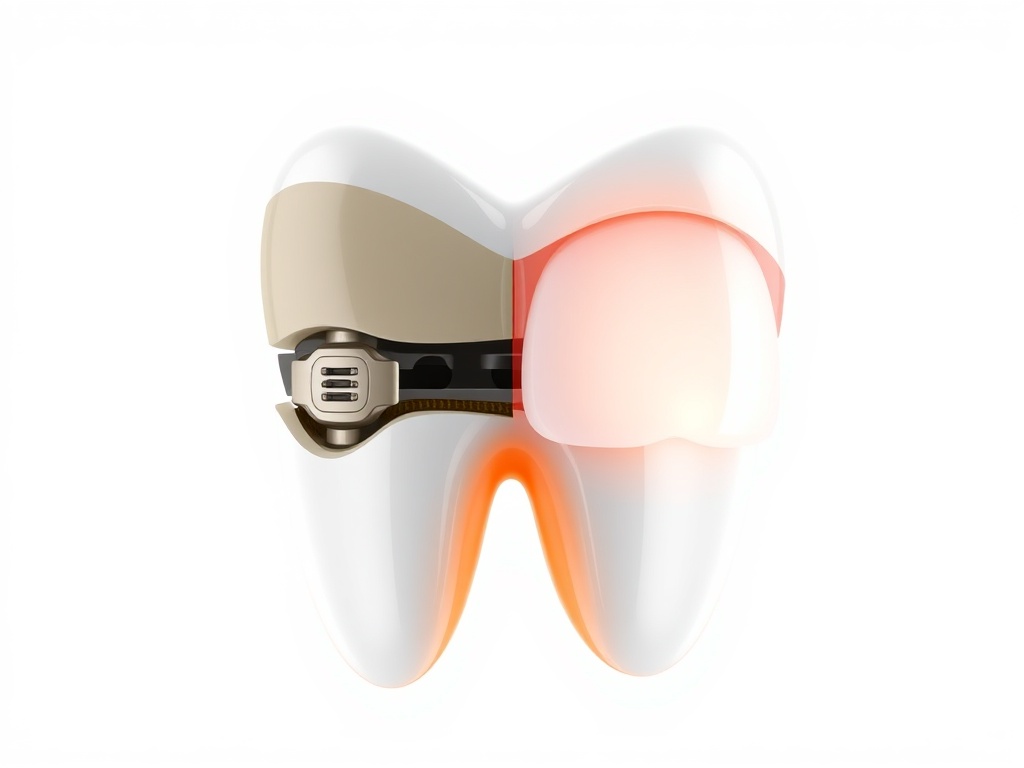
Cosmetic Dentistry vs Orthodontic Treatment: Understanding the Differences and Overlaps
Dr. Liza Day
Dental Health Expert
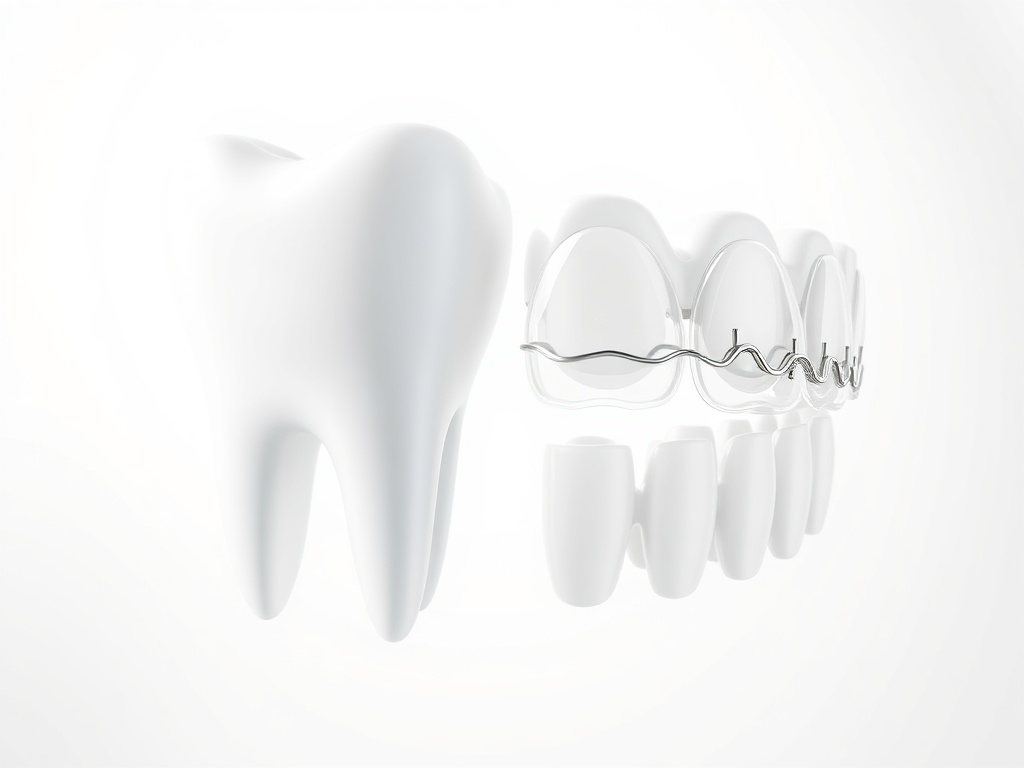
Featured image for: Cosmetic Dentistry vs Orthodontic Treatment: Understanding the Differences and Overlaps
Cosmetic dentistry enhances smile aesthetics, while orthodontic treatment corrects tooth alignment and bite function. This article explains their goals, common procedures, risks, costs, and how they may complement each other, helping readers make informed decisions about their oral health.
When people think about improving their smile, two terms often surface: cosmetic dentistry and orthodontic treatment. Both aim to create a more pleasing appearance, yet they stem from distinct philosophies and employ different techniques. Understanding where they intersect and where they diverge helps patients set realistic expectations and choose the path that aligns with their oral health goals.
Confusing the two can lead to unnecessary procedures, unexpected costs, or missed opportunities for comprehensive care. By clarifying the core concepts, common procedures, and potential risks, individuals can make informed decisions and discuss appropriate options with a qualified dental professional.
What Is Cosmetic Dentistry?
Cosmetic dentistry focuses primarily on enhancing the visual appearance of the teeth, gums, and overall smile. While aesthetic improvement is the central aim, many cosmetic procedures also address minor functional issues such as surface stains or small chips. Typical services include teeth whitening, veneers, bonding, gum contouring, and dental crowns designed for aesthetics rather than solely for structural support.
The discipline draws on advances in materials science—especially porcelain and composite resins—to produce results that mimic natural tooth translucency and color. Because the emphasis is on appearance, treatment plans are often tailored to the individual's facial features, personal preferences, and social or professional considerations.
What Is Orthodontic Treatment?
Orthodontics concentrates on correcting the alignment of teeth and the relationship between the upper and lower jaws. While a straighter smile is a visible benefit, the underlying purpose is to improve bite function, distribute chewing forces evenly, and reduce the risk of long‑term dental problems such as wear, periodontal disease, or temporomandibular joint disorders.
Traditional orthodontic appliances include metal braces, clear aligners, and functional appliances that guide jaw growth. Modern orthodontics also offers lingual braces (placed behind the teeth) and accelerated techniques that aim to shorten treatment time while maintaining effectiveness.
Primary Objectives: Aesthetic Enhancement vs Functional Alignment
Both fields share the goal of a more attractive smile, but the driving motivations differ. Cosmetic dentistry typically begins with a visual concern—discoloration, gaps, or shape irregularities—and seeks to resolve it without necessarily altering bite mechanics. Orthodontic treatment, on the other hand, starts with the position of the teeth and jaws; aesthetic improvement is often a secondary, albeit welcome, outcome.
This distinction influences how clinicians evaluate patients. A cosmetic dentist may prioritize shade matching and surface contouring, whereas an orthodontist assesses occlusion, arch form, and skeletal relationships before recommending any aesthetic work.
Typical Procedures and How They Work
Below are some of the most common interventions within each specialty:
- Cosmetic Dentistry:
- Teeth whitening – application of bleaching agents to lighten intrinsic stains.
- Porcelain veneers – thin shells bonded to the front of teeth to mask imperfections.
- Composite bonding – sculptable resin used to fill chips or close minor gaps.
- Gum contouring – laser or surgical reshaping of gingival tissue for balanced proportions.
- Aesthetic crowns – crowns crafted for natural appearance while restoring tooth structure.
- Orthodontic Treatment:
- Metal or ceramic braces – brackets and wires that apply controlled forces to move teeth.
- Clear aligner systems – a series of removable trays that progressively shift tooth position.
- Lingual braces – similar to traditional braces but placed on the tongue side of teeth.
- Functional appliances – devices that influence jaw growth in growing patients.
- Retention appliances – retainers used after active movement to maintain results.
Who Might Benefit From Each Approach?
Patient selection depends on the nature of the concern, age, oral health status, and personal goals. Individuals seeking rapid color correction or surface-level improvements often turn to cosmetic dentistry, especially when their bite is already functional. Conversely, patients with crowding, crossbites, overbites, or underbites typically require orthodontic intervention to achieve both functional stability and aesthetic balance.
Age can play a role as well. While orthodontic treatment is common among adolescents, many adults now pursue clear aligners or discreet braces to address lingering alignment issues. Cosmetic procedures are generally suitable for adults whose teeth have fully matured, though some minimally invasive options, like whitening, are safe for younger patients under professional guidance.
Short‑Term and Long‑Term Considerations
Cosmetic procedures often deliver immediate visual results; a whitening session or veneer placement can transform a smile in a single visit or a few appointments. However, maintenance may involve periodic touch‑ups, especially for stains that recur with diet or lifestyle habits.
Orthodontic treatment typically spans several months to a few years, depending on case complexity. The long‑term benefits include improved bite function, easier oral hygiene, and reduced risk of future dental complications. Retention—wearing a retainer after active movement—is essential to preserve alignment, and occasional follow‑up checks are standard practice.
Potential Risks, Side Effects, and Management
Every dental intervention carries some degree of risk, and informed consent is a cornerstone of ethical care. Common concerns for cosmetic dentistry include tooth sensitivity after whitening, veneer debonding, or mismatched shade if not carefully planned. Most issues are manageable with professional adjustment or material replacement.
Orthodontic treatment may cause temporary discomfort from pressure, mild gum irritation, or difficulty cleaning around brackets. In rare cases, root resorption (shortening of tooth roots) can occur, especially with prolonged force application. Regular monitoring, proper oral hygiene, and adherence to the orthodontist’s instructions help mitigate these risks.
Cost and Accessibility Factors
Financial considerations often influence treatment decisions. Cosmetic procedures are generally considered elective and therefore are not covered by most dental insurance plans. Prices vary widely based on material quality, geographic region, and the extent of work required.
Orthodontic treatment may receive partial coverage, particularly for younger patients, because it addresses functional concerns. Clear aligner systems can be more expensive than traditional braces, but they offer aesthetic advantages that some patients prioritize. Discussing payment options and insurance benefits early in the planning process can provide clearer expectations.
When the Two Overlap: Combined or Sequential Care
In many cases, optimal results involve a blend of orthodontic and cosmetic approaches. For example, a patient with mild crowding may first undergo orthodontic alignment to create adequate space, followed by veneers to refine tooth shape and color. Conversely, after extensive cosmetic work, a subtle orthodontic adjustment might be needed to fine‑tune the final smile.
Coordinated care requires communication between the cosmetic dentist and orthodontist to ensure that each phase supports the other and that the overall treatment plan remains realistic and safe.
Common Misconceptions
- “Cosmetic dentistry is only for people with perfect teeth.” – Many seek cosmetic solutions to address specific concerns like discoloration or minor chips, not to achieve flawless dentition.
- “Orthodontics is only for teenagers.” – Adults increasingly pursue orthodontic treatment, especially with discreet options like clear aligners.
- “Veneers can replace orthodontic treatment.” – Veneers improve appearance but do not correct underlying bite problems that may cause long‑term issues.
- “Whitening weakens teeth.” – When performed under professional supervision, whitening agents are formulated to minimize sensitivity and structural impact.
- “Braces always cause permanent gum recession.” – Proper oral hygiene and regular dental visits reduce the likelihood of gum problems associated with braces.
Frequently Asked Questions
1. Can I get both braces and veneers at the same time?
It is possible, but most clinicians recommend completing orthodontic movement first to ensure teeth are properly aligned before placing veneers. This sequence helps achieve a more natural result and reduces the need for future adjustments.
2. How long does teeth whitening last?
The longevity of whitening varies with diet, oral hygiene, and the type of product used. Many people notice results lasting from several months up to a few years, after which a touch‑up may be considered.
3. Are clear aligners as effective as traditional braces?
For many alignment issues, clear aligners provide comparable outcomes to metal braces. However, complex movements—such as severe rotations or significant bite corrections—may still be best addressed with conventional appliances.
4. Will orthodontic treatment affect my speech?
Some patients experience a brief adjustment period during which speech may be slightly altered, especially with larger brackets. Most adapt within a few weeks, and any persistent changes should be discussed with the orthodontist.
5. Do cosmetic dental procedures require anesthesia?
Many cosmetic interventions, such as bonding or veneers, are performed with only topical numbing agents. More invasive work, like crown preparation, may involve local anesthesia for comfort. The need for anesthesia is assessed on a case‑by‑case basis.
Conclusion
Cosmetic dentistry and orthodontic treatment each play a valuable role in achieving a healthy, confident smile. While cosmetic procedures focus on surface aesthetics, orthodontics addresses the foundational alignment of teeth and jaws. Recognizing their distinct objectives, typical procedures, and potential risks enables patients to weigh options thoughtfully and seek professional guidance tailored to their unique circumstances. Collaborative care, when appropriate, can combine the strengths of both specialties, leading to results that are both beautiful and functionally sound.
Dr. Liza Day
Dental health content specialist at AppointPanda, dedicated to helping patients make informed decisions about their dental care through comprehensive, accurate information.
Get More Dental Tips
Subscribe to get weekly articles delivered to your inbox