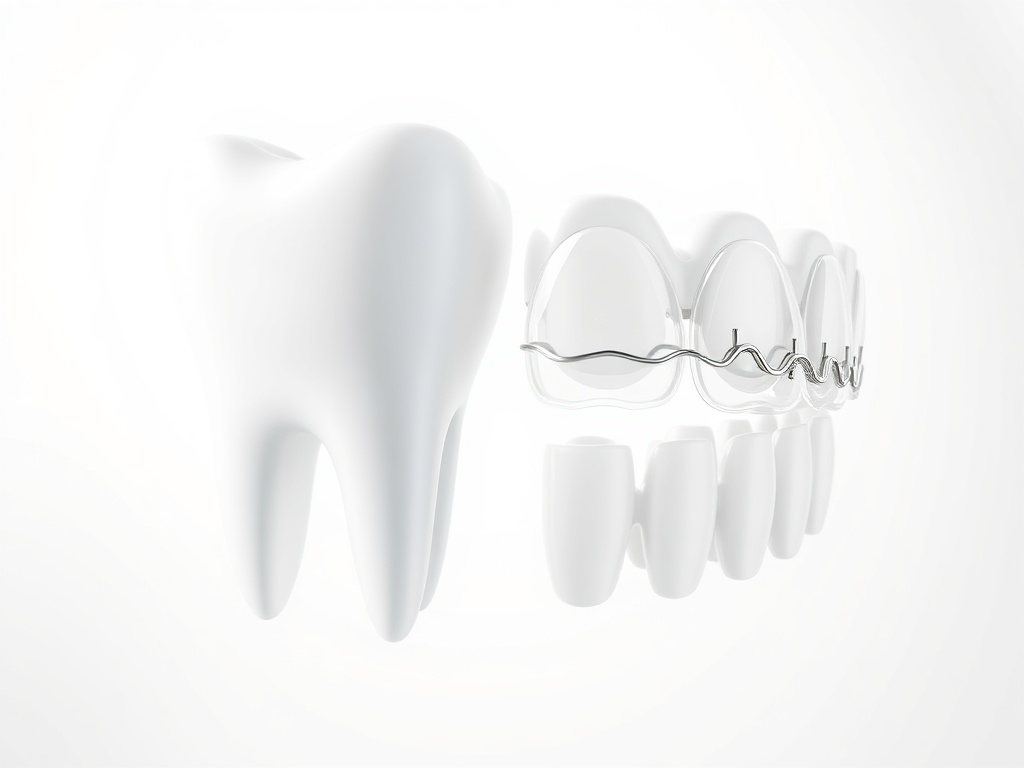
Restorative Dentistry vs Cosmetic Dentistry: Key Differences and Overlaps
Dr. Liza Day
Dental Health Expert
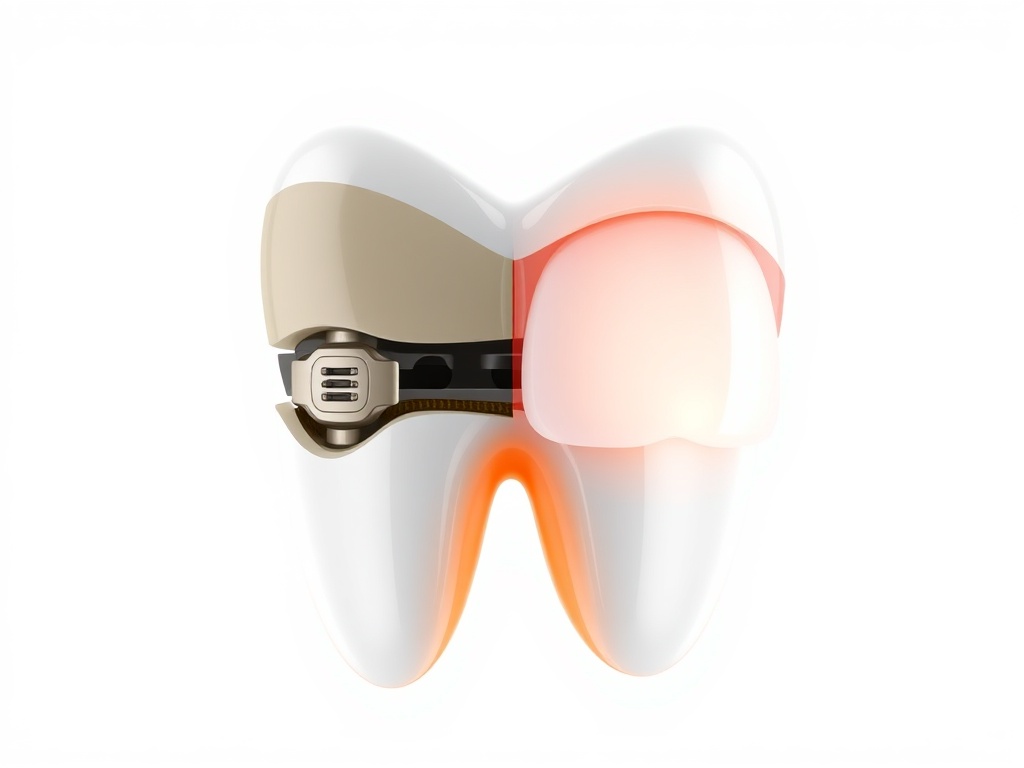
Featured image for: Restorative Dentistry vs Cosmetic Dentistry: Key Differences and Overlaps
Explore the distinctions between restorative and cosmetic dentistry, their typical procedures, and how treatments can overlap. This guide helps you understand functional versus aesthetic priorities for informed oral health decisions.
When you hear the terms “restorative” and “cosmetic” dentistry, they often appear interchangeable, yet each represents a distinct focus within oral health care. Understanding the difference helps patients set realistic expectations and make choices that align with both functional needs and aesthetic goals.
Confusing the two can lead to delayed treatment of decay or structural problems, or to unnecessary procedures that prioritize appearance over durability. This article clarifies the core concepts, typical procedures, and situations where the two disciplines intersect, encouraging informed discussions with dental professionals.
What Is Restorative Dentistry?
Restorative dentistry concentrates on repairing teeth that have been damaged by decay, trauma, or disease. The primary aim is to restore function—chewing, speaking, and maintaining the integrity of the bite—while also preserving as much natural tooth structure as possible. Typical conditions addressed include cavities, fractured teeth, missing teeth, and severe wear.
Because the mouth is a dynamic environment, restorative work often involves materials that can withstand daily forces, such as amalgam, composite resin, or metal‑based crowns. The longevity of these restorations is a key consideration, and follow‑up care usually includes regular monitoring for wear or secondary decay. While aesthetics are not ignored, they are secondary to the structural stability of the tooth.
What Is Cosmetic Dentistry?
Cosmetic dentistry focuses on improving the visual appearance of the smile. It addresses concerns such as discoloration, gaps, uneven tooth shape, and minor alignment issues. The discipline is driven by patient desire for a brighter, more harmonious smile rather than by an urgent health need.
Procedures often use materials selected for their translucency and shade-matching capabilities, such as porcelain veneers, tooth‑whitening agents, and bonding composites. Because the goal is aesthetic enhancement, treatment planning may involve detailed shade selection and mock‑up designs. While cosmetic work can boost confidence, it does not replace the need for restorative care when structural problems exist.
Core Goals, Priorities, and Common Misunderstandings
Both fields share the overarching objective of improving oral health, but they prioritize different outcomes. Restorative dentistry aims first for durability and function; cosmetic dentistry aims first for visual appeal. A common misunderstanding is that a purely cosmetic procedure can substitute for a needed restoration—this is rarely advisable because it may leave underlying decay untreated.
Conversely, patients sometimes assume that any restorative work will automatically improve the smile’s appearance. While modern materials can be quite natural‑looking, the primary purpose remains structural support. Recognizing these priorities helps avoid unrealistic expectations and ensures that treatment plans address both health and aesthetic considerations when appropriate.
Typical Procedures in Restorative Dentistry
Restorative treatments encompass a range of interventions designed to rebuild tooth structure:
- Fillings – Used to close cavities after decay removal; materials include composite resin or amalgam.
- Crowns and bridges – Caps or spans that replace missing or severely damaged tooth portions, often fabricated from porcelain‑fused‑to‑metal or all‑ceramic materials.
- Root canal therapy – Removes infected pulp tissue, preserving the tooth’s outer structure.
- Dental implants – Surgically placed posts that serve as anchors for prosthetic crowns when a tooth is missing.
- Inlays and onlays – Partial restorations that fit within or on top of a tooth, offering a middle ground between fillings and full crowns.
Each of these procedures is selected based on the extent of damage, the location of the tooth, and the patient’s bite dynamics. Longevity and resistance to future decay are central evaluation criteria.
Typical Procedures in Cosmetic Dentistry
Cosmetic interventions are designed to enhance the smile’s visual characteristics:
- Teeth whitening – Application of peroxide‑based agents to lighten intrinsic or extrinsic stains.
- Veneers – Thin porcelain or composite shells bonded to the front surface of teeth to alter shape, color, or alignment.
- Bonding – Direct application of composite resin to repair chips, close gaps, or reshape teeth.
- Orthodontic alignment – Clear aligners or traditional braces that correct mild to moderate misalignment, often considered both functional and cosmetic.
- Gum contouring – Reshaping of gingival tissue to improve the proportional relationship between gums and teeth.
These procedures typically emphasize shade matching, translucency, and seamless integration with existing teeth. While they can be performed on healthy teeth, many patients combine them with restorative work to achieve a comprehensive result.
When a Single Procedure Addresses Both Restorative and Cosmetic Needs
Some dental interventions naturally straddle the line between function and aesthetics. For example, a porcelain crown placed on a tooth with a large decay may restore chewing ability while also improving the tooth’s color and shape. Similarly, a well‑designed veneer can protect a thin, worn tooth from further damage while delivering a brighter appearance.
In such cases, the treatment plan is crafted to meet structural requirements first, then refined for visual harmony. The clinician evaluates the extent of damage, the patient’s aesthetic goals, and the long‑term maintenance demands before deciding on the final material and design.
Choosing Between Restorative and Cosmetic Approaches
Deciding which approach best fits a situation involves several factors:
- Clinical necessity – If decay or fracture threatens tooth viability, restorative treatment takes precedence.
- Patient expectations – Some individuals prioritize a flawless smile and may be willing to pursue cosmetic enhancements alongside necessary restorations.
- Longevity versus immediacy – Restorative materials are often selected for durability, while cosmetic options may require periodic replacement or touch‑ups.
- Cost considerations – Cosmetic procedures, especially veneers or extensive whitening, can be more expensive and are usually not covered by insurance.
- Overall oral health – A comprehensive examination may reveal underlying issues (e.g., gum disease) that must be addressed before any aesthetic work.
Open communication with a qualified dentist allows patients to weigh these factors, ensuring that functional health is not compromised for aesthetic desire and vice versa.
Frequently Asked Questions
1. Can I get a cosmetic procedure if I have untreated cavities?
Generally, untreated decay should be addressed first. Cosmetic work performed on a compromised tooth may not last and could mask underlying problems, so a dentist will usually recommend restorative treatment before any aesthetic enhancement.
2. Are dental veneers considered a restorative treatment?
Veneers can serve both purposes. When placed on a healthy tooth primarily for appearance, they are cosmetic. If the tooth has structural loss that the veneer also reinforces, the procedure has a restorative component.
3. How long do restorative versus cosmetic restorations typically last?
Restorative materials like crowns or amalgam fillings often last 10‑15 years or more, depending on oral hygiene and bite forces. Cosmetic options such as veneers or bonding may require replacement after 5‑10 years, especially if they are exposed to heavy wear or staining.
4. Will insurance cover cosmetic dentistry?
Insurance plans usually cover procedures deemed medically necessary, such as fillings, crowns, or implants. Purely aesthetic treatments—whitening, veneers, or gum contouring—are typically excluded, though a combined restorative‑cosmetic case may receive partial coverage.
5. How can I decide whether I need a restorative or cosmetic solution?
Start with a comprehensive dental exam. The dentist will assess structural health, discuss functional concerns, and explore aesthetic goals. Together, you can prioritize treatments that first protect oral health and then address appearance as appropriate.
Conclusion
Restorative and cosmetic dentistry each play vital roles in maintaining a healthy, confident smile. Restorative care safeguards function and longevity, while cosmetic procedures refine appearance. Recognizing their distinct objectives—and where they overlap—helps patients make balanced decisions and fosters collaborative treatment planning with dental professionals. When in doubt, a thorough evaluation and open dialogue with a qualified dentist remain the safest path forward.
Dr. Liza Day
Dental health content specialist at AppointPanda, dedicated to helping patients make informed decisions about their dental care through comprehensive, accurate information.
Get More Dental Tips
Subscribe to get weekly articles delivered to your inbox