How to Choose the Right Oral Thrush Mouthwash for Fast Relief
AppointPanda Team
Dental Health Expert
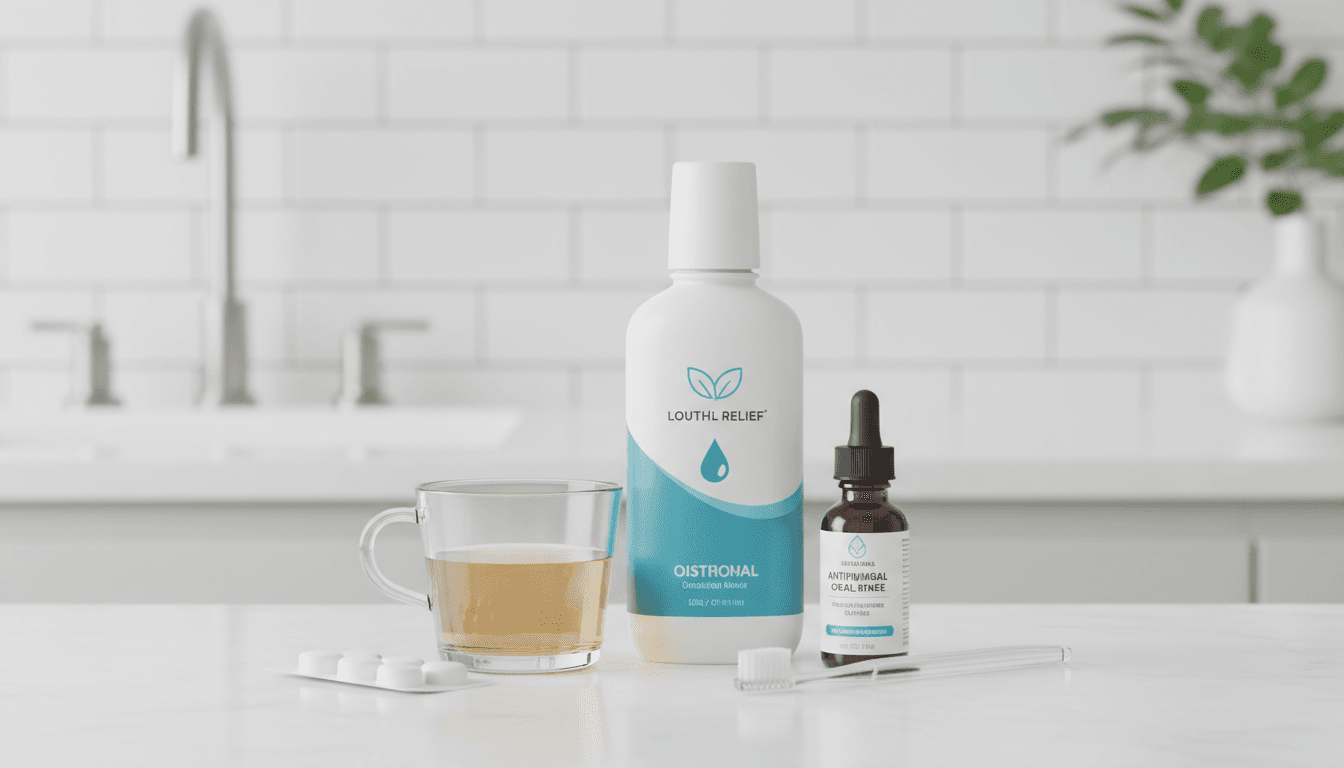
Featured image for: How to Choose the Right Oral Thrush Mouthwash for Fast Relief
Dealing with oral thrush can be an uncomfortable and frustrating experience. The white patches, burning sensation, and difficulty swallowing often leave patients searching for immediate relief. While prescription medications remain the gold standard for treatment, selecting the right oral thrush mouthwash can significantly accelerate your recovery and provide much-needed comfort during the healing process. Oral thrush, also known as oral candidiasis, occurs when the Candida albicans fungus overgrows in your mouth. This overgrowth can happen due to weakened immunity, antibiotic use, diabetes, or wearing dentures. Understanding how to choose an effective mouthwash for thrush requires knowledge of what ingredients work, what to avoid, and how to use these products alongside professional dental care.
Understanding Antifungal Mouthwash and How It Works
An antifungal mouthwash is specifically formulated to combat fungal infections in the oral cavity. Unlike regular mouthwashes that primarily target bacteria, these specialized rinses contain ingredients that directly attack fungal cells, disrupting their growth and reproduction. The most effective antifungal mouthwash for thrush creates an environment where Candida cannot thrive while supporting the restoration of your mouth's natural bacterial balance.
When you develop oral thrush, the fungus forms biofilms on your tongue, cheeks, and throat. These protective layers make the infection resistant to many standard treatments. A properly selected thrush mouthwash penetrates these biofilms, delivering antifungal agents directly to the affected tissues. This targeted approach helps reduce white patches, alleviates burning sensations, and speeds up recovery time when used as part of a comprehensive oral thrush treatment plan.
The mechanism behind antifungal mouthwashes involves either killing fungal cells outright or preventing their reproduction. Some products work by disrupting the fungal cell membrane, causing the organism to leak essential components and die. Others interfere with the fungus's ability to produce ergosterol, a critical component of its cell wall. Understanding this science helps you make informed decisions about which product will work best for your specific situation.
Key Ingredients to Look for in Oral Thrush Mouthwash
Selecting an effective oral thrush mouthwash begins with identifying products containing proven antifungal ingredients. Chlorhexidine gluconate stands as one of the most researched antiseptic agents, demonstrating strong effectiveness against Candida while being gentle enough for daily use. This ingredient appears in many prescription-strength formulations and some over-the-counter options, making it a reliable choice for oral thrush treatment.
Hydrogen peroxide-based mouthwashes offer another excellent option for combating fungal infections. When used in appropriate concentrations, hydrogen peroxide creates an oxygen-rich environment that inhibits fungal growth. Many patients find that alternating between hydrogen peroxide rinses and other antifungal mouthwash products provides comprehensive coverage against stubborn infections.
Essential oils have gained recognition for their natural antifungal properties. Tea tree oil, clove oil, and oregano oil contain compounds that effectively combat Candida overgrowth. However, these ingredients must be properly diluted and formulated to avoid irritation. When shopping for a mouthwash for thrush containing essential oils, ensure the product comes from a reputable manufacturer who follows safety guidelines.
Sodium bicarbonate, commonly known as baking soda, serves as another valuable ingredient in thrush mouthwash formulations. It works by altering the pH level in your mouth, creating an alkaline environment that discourages fungal growth. Many dentists recommend baking soda rinses as a complementary treatment alongside prescription antifungals, making it a versatile component of comprehensive care.
Prescription vs. Over-the-Counter Options
Understanding the difference between prescription and over-the-counter antifungal mouthwash for thrush helps you make appropriate treatment decisions. Prescription options like nystatin oral suspension or clotrimazole troches deliver higher concentrations of antifungal medication directly to infected areas. These products require professional oversight but often provide faster relief for moderate to severe cases.
Over-the-counter products offer accessibility and convenience for mild cases or preventive care. While they may contain lower concentrations of active ingredients, many OTC oral thrush mouthwash options prove effective when used consistently and combined with good oral hygiene. These products work well for individuals prone to recurrent infections or those seeking to prevent thrush while taking antibiotics.
Your dentist or physician can evaluate your specific situation and recommend the most appropriate oral thrush treatment approach. Factors like infection severity, underlying health conditions, and medication interactions all influence whether prescription or OTC products will serve you best. Never hesitate to seek professional guidance, especially if symptoms persist beyond a few days of home treatment.
How to Properly Use Mouthwash for Thrush
Using mouthwash for thrush correctly maximizes its effectiveness and accelerates your recovery. Start by reading all product instructions carefully, as different formulations require specific techniques. Generally, you'll swish the antifungal mouthwash around your mouth for 30-60 seconds, ensuring it contacts all affected areas including your tongue, cheeks, roof of your mouth, and throat.
Timing matters when using thrush mouthwash. Most products work best when used after meals and before bedtime, allowing the antifungal agents to remain in contact with infected tissues for extended periods. Avoid eating or drinking for at least 30 minutes after rinsing to prevent diluting the medication's effectiveness. This waiting period ensures the active ingredients have sufficient time to penetrate fungal biofilms.
Consistency determines success with any oral thrush treatment regimen. Even if symptoms improve within a few days, continue using your oral thrush mouthwash for the full recommended duration. Stopping treatment prematurely allows surviving fungal cells to multiply, potentially leading to reinfection or the development of resistant strains.
Important Factors to Consider When Choosing
Several critical factors influence which antifungal mouthwash for thrush will work best for your needs. Consider any allergies or sensitivities you have to common ingredients. Some people experience irritation from alcohol-based formulations, while others may react to specific essential oils or preservatives. Alcohol-free options provide gentler alternatives for those with sensitive mouths or dry mouth conditions.
Taste and texture significantly impact compliance with treatment. If a mouthwash for thrush tastes so unpleasant that you struggle to use it regularly, its effectiveness diminishes. Many manufacturers now offer products with improved flavoring while maintaining antifungal potency. Don't hesitate to try different options until you find one you can tolerate comfortably.
Cost considerations also play a role, especially for individuals requiring long-term management of recurrent infections. While prescription oral thrush mouthwash products may be more expensive upfront, they often provide faster results, potentially reducing overall treatment costs. Conversely, over-the-counter options offer budget-friendly alternatives for mild cases or preventive care.
Complementary Strategies for Maximum Relief
While selecting the right antifungal mouthwash forms a crucial component of treatment, combining it with other strategies enhances results. Maintain excellent oral hygiene by brushing gently twice daily with a soft-bristled toothbrush and replacing it frequently to prevent reinfection. If you wear Dentures, clean them thoroughly every day and soak them in antifungal solution overnight.
Dietary modifications support your body's fight against fungal overgrowth. Reduce sugar and refined carbohydrate intake, as Candida thrives on these substances. Incorporate probiotic-rich foods like yogurt, kefir, and fermented vegetables to restore healthy bacterial balance in your mouth and gut. Some patients find that taking probiotic supplements accelerates recovery when combined with oral thrush treatment.
Stay hydrated throughout the day to combat dry mouth, which creates favorable conditions for fungal growth. Saliva contains natural antimicrobial properties that help control Candida populations. If medications or health conditions cause chronic dry mouth, discuss saliva substitutes or stimulants with your healthcare provider.
When to Seek Professional Dental Care
While thrush mouthwash products provide valuable relief, certain situations require professional intervention. If symptoms persist beyond two weeks of home treatment, or if you develop fever, difficulty swallowing, or spreading infection, schedule an appointment with your dentist or physician immediately. These signs may indicate a more serious underlying condition or the need for stronger prescription medications.
Recurring oral thrush episodes warrant comprehensive evaluation to identify root causes. Conditions like diabetes, HIV, or other immune system disorders can make you susceptible to frequent infections. Your dental professional can coordinate with your physician to address these underlying issues while providing targeted oral thrush treatment.
Frequently Asked Questions
Get More Dental Tips
Subscribe to get weekly articles delivered to your inbox