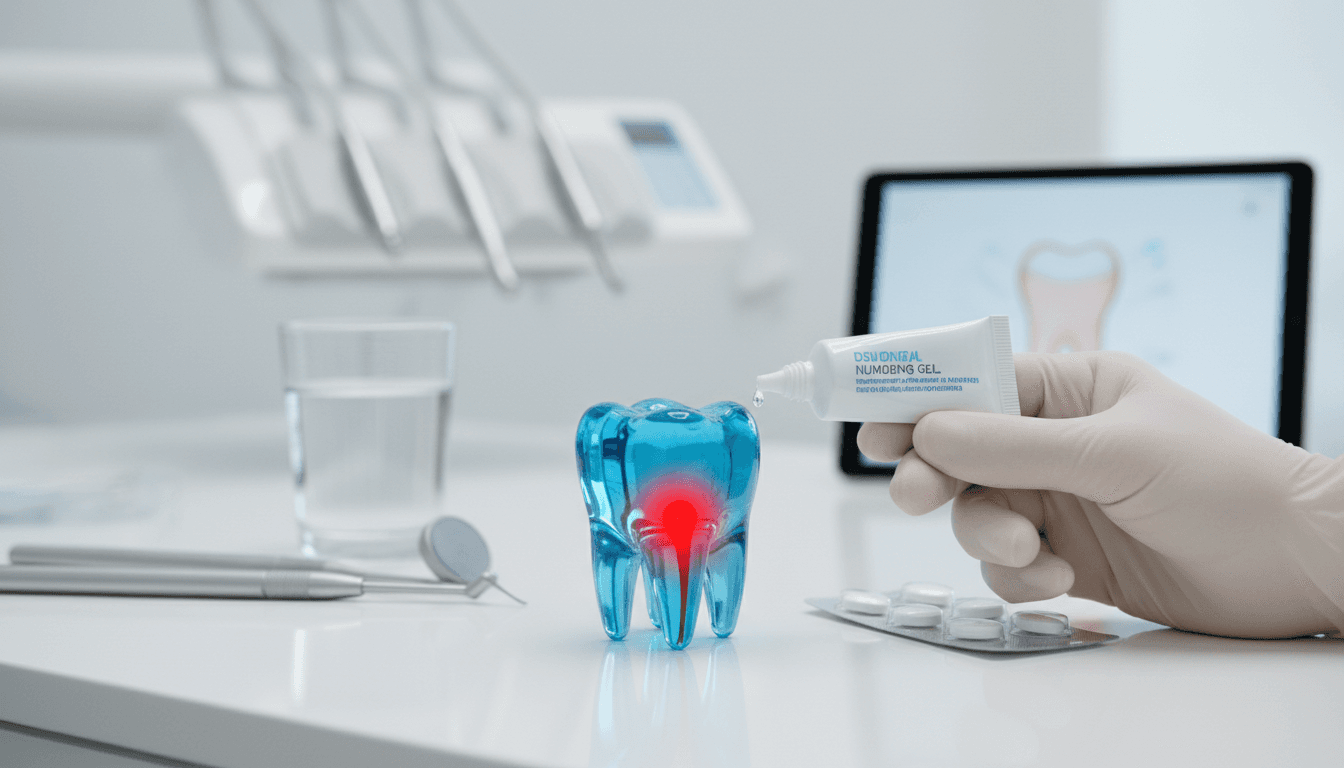
Best Foods for Toothache Relief
Dr. Allen V
Dental Health Expert
Featured image for: Best Foods for Toothache Relief
Dealing with a toothache can make every meal feel like a challenge. Whether you're experiencing mild sensitivity or severe tooth pain, choosing the right foods can make a significant difference in your comfort level while your dental issue is being addressed. Understanding what to eat when your tooth hurts isn't just about avoiding discomfort it's about nourishing your body while protecting your teeth from further damage.
Understanding Toothache-Friendly Foods
When you're suffering from dental pain, the temperature, texture, and consistency of your food matter tremendously. Soft foods are your best friends during this time, as they require minimal chewing and won't aggravate sensitive areas in your mouth. The goal is to maintain proper nutrition while giving your painful tooth the rest it needs.Cold foods can actually provide natural tooth pain relief by numbing the affected area temporarily. However, if your toothache is caused by sensitivity, you'll want to stick with room-temperature options instead. The key is listening to your body and understanding what triggers or soothes your specific type of dental discomfort.
Best Foods to Eat With a Toothache
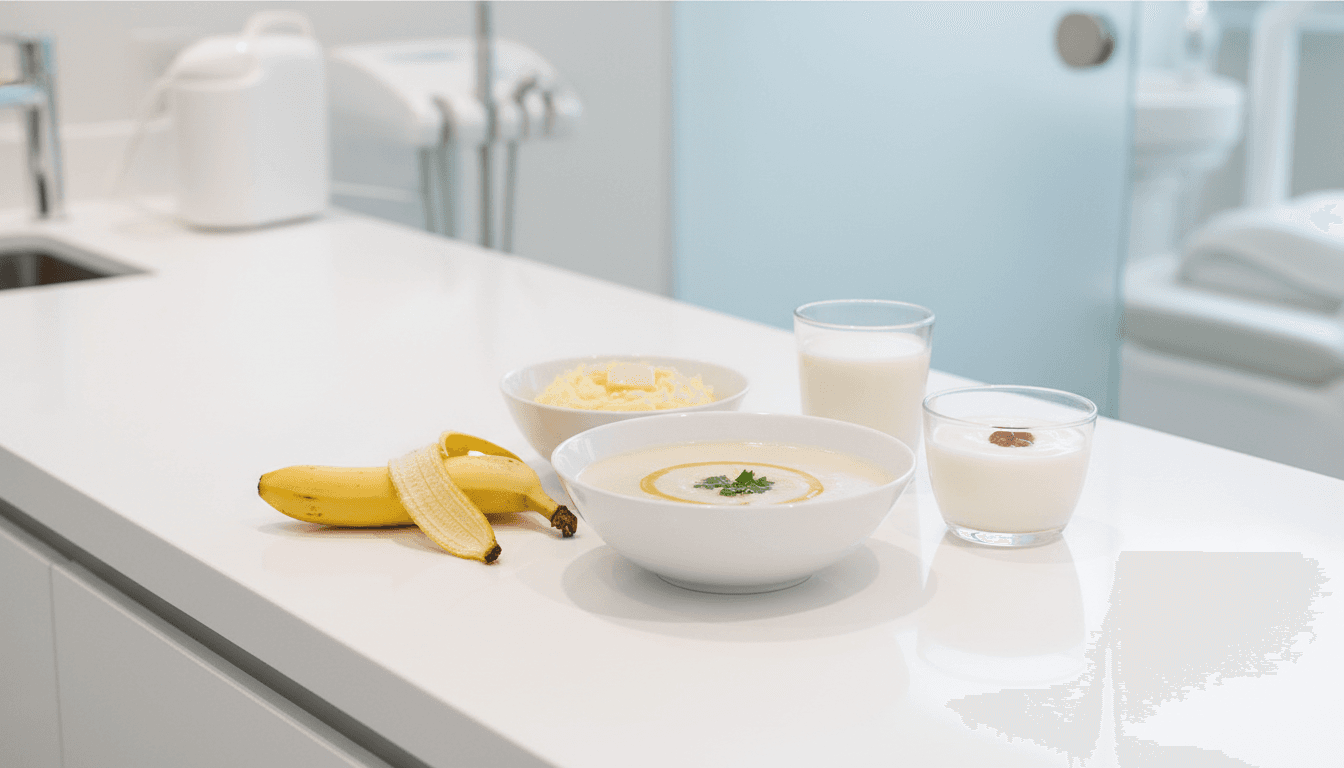
Yogurt tops the list of toothache-friendly foods. It's smooth, cool, and packed with protein and calcium that support oral health. Choose plain varieties without added sugars, as sugar can worsen tooth decay and increase sensitivity. Greek yogurt offers extra protein, which is essential when you might not be eating as much as usual.
Mashed potatoes provide comfort and substantial nutrition without requiring any chewing. They're easy to swallow and can be seasoned with butter or gravy for added calories. Make sure they're not too hot, as extreme temperatures can intensify tooth sensitivity and cause additional pain.
Smoothies are excellent options because they're nutritious, filling, and require zero chewing. Blend soft fruits like bananas, berries, and mangoes with yogurt or milk. You can even add protein powder or nut butter for extra sustenance. Just avoid using a straw, as the sucking motion can cause problems if you've had recent dental work or extractions.
Scrambled eggs offer high-quality protein in a soft, easy-to-eat form. They're gentle on sore teeth and can be prepared to a very soft consistency. Eggs are also versatile; you can add cheese for extra calcium or mix in finely chopped vegetables for additional nutrients.
Oatmeal is another wonderful choice for breakfast or any meal. It's warm (but not hot), filling, and gentle on sensitive teeth. Add mashed bananas or applesauce for natural sweetness instead of sugar. Instant oatmeal works particularly well because it has a smoother texture than traditional rolled oats.
Foods to Avoid When You Have Tooth Pain
Hard foods should be completely off your menu when dealing with a toothache. This includes nuts, hard candies, raw carrots, apples, and crusty bread. These foods require significant chewing force and can crack already weakened teeth or worsen existing dental problems.Crunchy foods like chips, crackers, and popcorn can get lodged in painful areas and are difficult to remove without causing additional discomfort. Even worse, popcorn kernels can become stuck between teeth or under gum tissue, potentially leading to infection or abscess formation.Sticky foods such as caramel, taffy, and chewy candies should also be avoided. These can pull on loose fillings, aggravate cavities, or get stuck in areas that are difficult to clean. When you're already experiencing tooth pain, you don't want to add more complications.Acidic foods and beverages can erode tooth enamel and increase sensitivity. Avoid citrus fruits, tomatoes, vinegar-based dressings, and soda. Even though treatments like [Teeth Whitening treatments](https://www.appointpanda.com/blog/best-teeth-whitening-treatments-recommended-by-dentists) can sometimes increase temporary sensitivity, the acidic content in certain foods can make existing toothaches significantly worse.Very hot or very cold foods might trigger sharp pains if your toothache is caused by sensitivity or nerve exposure. Stick with lukewarm or room-temperature options until you can see your dentist for proper treatment.
Nutritious Meal Ideas for Toothache Sufferers
For breakfast, try a smoothie bowl made with frozen bananas, berries, and yogurt, topped with very soft granola or chia seeds. Alternatively, cream of wheat or soft-cooked oatmeal with mashed bananas provides warmth and comfort without aggravating your painful tooth.
Lunch options include pureed soups like butternut squash, tomato bisque (if acidity isn't an issue), or creamy broccoli soup. Macaroni and cheese with very soft pasta is another excellent choice. Tuna salad or egg salad can work well if you skip the toast and eat it alone or with very soft bread.
For dinner, consider mashed sweet potatoes, soft-cooked fish like tilapia or cod, or well-cooked pasta with a cream-based sauce. Risotto is particularly good because the rice becomes very soft and creamy. Shepherd's pie with mashed potato topping offers both nutrition and comfort.
Maintaining Nutrition During Dental Pain
It's crucial to maintain proper nutrition even when eating is uncomfortable. Focus on nutrient-dense soft foods that provide adequate calories, protein, vitamins, and minerals. If you're having trouble consuming enough food, consider protein shakes or nutritional supplement drinks to bridge the gap.
Staying hydrated is equally important. Water helps rinse away food particles and bacteria that could worsen your dental condition. If drinking plain water is uncomfortable, try it at room temperature or sip through a spoon rather than drinking directly.
When to Seek Professional Dental Care
While adjusting your diet can help manage toothache symptoms, it's not a substitute for professional dental treatment. If you're experiencing persistent tooth pain, swelling, fever, or difficulty swallowing, you need to see a dentist immediately. These could be signs of a serious infection requiring urgent care.Sometimes dental procedures like root canals are necessary to address the underlying cause of your toothache. While some patients experience facial swelling after a root canal, this procedure actually provides long-term tooth pain relief by removing infected tissue and sealing the tooth. Your dentist can provide specific dietary recommendations following any dental treatment.
Frequently Asked Questions
Dr. Allen V
Dental health content specialist at AppointPanda, dedicated to helping patients make informed decisions about their dental care through comprehensive, accurate information.
Get More Dental Tips
Subscribe to get weekly articles delivered to your inbox