Warning Signs of Wisdom Tooth Trouble
Dr. Allen V
Dental Health Expert
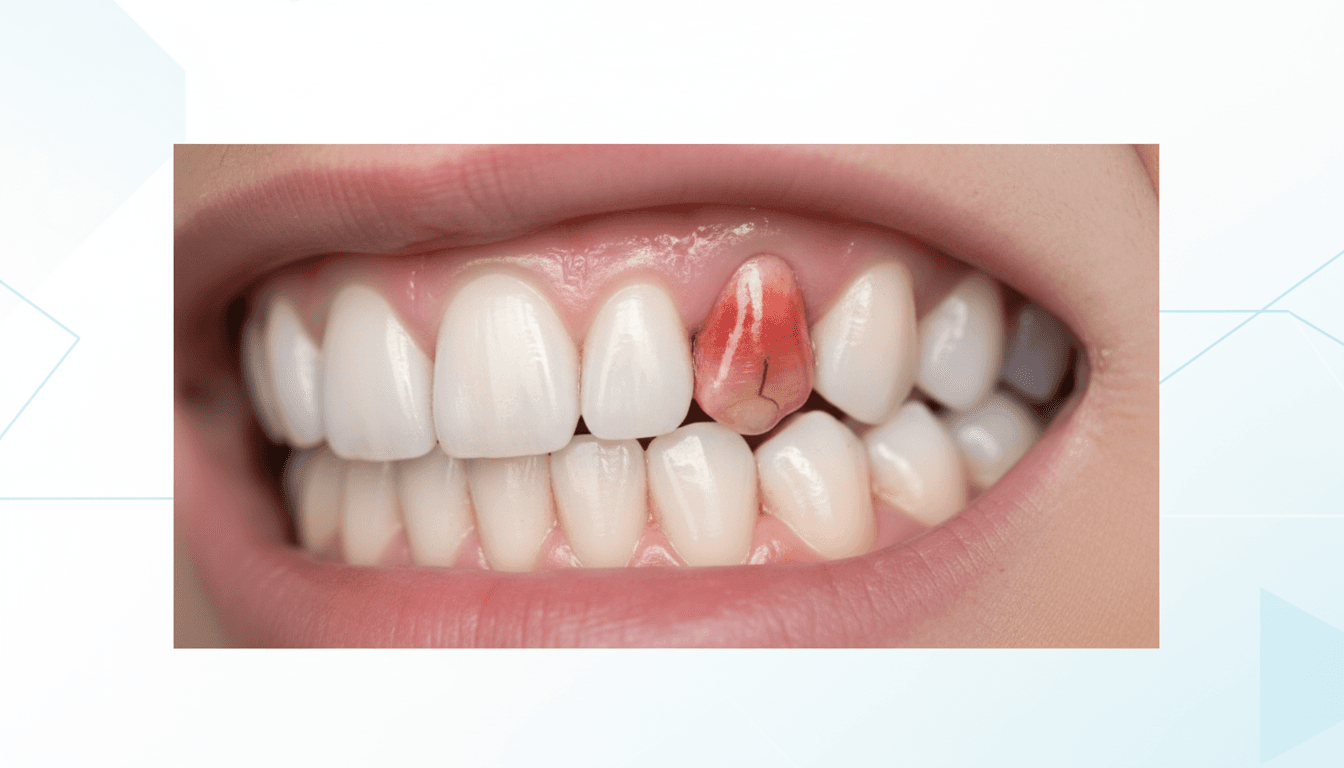
Featured image for: Warning Signs of Wisdom Tooth Trouble
Wisdom teeth, also known as third molars, are the last teeth to emerge in your mouth, typically appearing between ages 17 and 25. While some people's wisdom teeth come in without any issues, many experience complications that range from mild discomfort to serious infections requiring immediate treatment. Recognizing the warning signs of wisdom tooth trouble early allows you to seek timely care and prevent more severe problems from developing. Understanding what's normal and what requires professional attention helps you protect your oral health and avoid unnecessary pain or complications that can affect your overall wellbeing.
What Are Wisdom Teeth and Why Do They Cause Problems
Wisdom teeth are evolutionary remnants from a time when our ancestors needed extra molars to grind tough plant materials and raw meat. Modern diets don't require these additional teeth, and human jaws have evolved to be smaller, often leaving insufficient space for wisdom teeth to emerge properly. This lack of space is the root cause of most wisdom tooth problems.
When there isn't enough room in your jaw, wisdom teeth may become impacted meaning they're unable to fully break through the gum line or emerge in the correct position. Impacted wisdom teeth can grow at various angles: they might tilt toward or away from the second molars, grow horizontally beneath the gums, or remain trapped entirely within the jawbone. Each of these scenarios creates different complications and symptoms.
Even partially erupted wisdom teeth that do break through the gums can cause trouble. Because they're located at the very back of your mouth, they're extremely difficult to clean properly with regular brushing and flossing. This poor accessibility makes them highly vulnerable to tooth decay and gum disease. Food particles and bacteria easily accumulate around partially erupted teeth, creating an ideal environment for infection.
The position and angle of wisdom teeth also affect the health of adjacent teeth. Impacted wisdom teeth can push against your second molars, causing crowding, misalignment, or damage to these otherwise healthy teeth. Over time, this pressure can compromise your entire bite and undo years of orthodontic treatment if you've worn Braces.
Recognizing Wisdom Tooth Pain Early
Wisdom tooth pain manifests in various ways depending on the specific issue affecting the tooth. The earliest sign is often a dull, throbbing ache in the back of your mouth where the wisdom tooth is attempting to emerge. This discomfort might come and go initially, becoming more persistent as the tooth continues trying to erupt through the gums.
As the wisdom tooth pushes against surrounding tissues and bone, you may experience pressure sensations that radiate from the affected area. This pressure can extend to your jaw, ear, or even the side of your head, sometimes causing headaches that seem unrelated to dental issues. Many patients describe feeling like their back teeth are being squeezed or compressed, particularly when chewing.
Sharp, shooting pain when biting down or chewing food on the affected side indicates the wisdom tooth is impacting your ability to eat normally. This type of pain suggests the tooth is either erupting at an awkward angle that interferes with your bite or is causing inflammation in the surrounding tissues. You might find yourself unconsciously chewing only on the opposite side of your mouth to avoid discomfort.
Jaw stiffness and difficulty opening your mouth fully often accompany wisdom tooth emergence. This symptom, called trismus, occurs when inflammation around the wisdom tooth affects the muscles responsible for jaw movement. You might notice this limitation most prominently in the morning or after periods of rest when inflammation has accumulated.
Persistent pain that lasts more than a few days or gradually worsens over time requires professional evaluation. While some minor discomfort during wisdom tooth eruption can be normal, pain that significantly interferes with eating, sleeping, or daily activities indicates a problem that won't resolve on its own.
Understanding Common Wisdom Tooth Symptoms
Beyond pain, several wisdom tooth symptoms signal that your third molars are causing trouble. Gum swelling and redness around the area where the wisdom tooth is emerging are among the most visible signs. The tissue may appear puffy, inflamed, and darker red than surrounding healthy gums. This swelling can extend to your cheek, making the affected side of your face appear visibly fuller.
Bleeding gums around the wisdom tooth area, especially when brushing or eating, indicate inflammation and possible infection. While minor bleeding during eruption can be normal, persistent or heavy bleeding suggests more significant issues. You might notice blood on your toothbrush, experience a metallic taste, or see blood-tinged saliva.
Bad breath or a persistent unpleasant taste in your mouth that doesn't improve with brushing often results from food and bacteria trapped around partially erupted wisdom teeth. This symptom, medically termed halitosis, occurs because the hard-to-reach location of wisdom teeth makes thorough cleaning nearly impossible, allowing bacterial growth and decomposition.
Difficulty swallowing can develop when inflammation around the wisdom tooth extends to your throat or when swelling is significant enough to affect nearby structures. This symptom can make eating uncomfortable and may cause you to avoid certain foods or reduce your food intake, potentially leading to inadequate nutrition.
Changes in your bite alignment serve as another warning sign. If your teeth suddenly don't fit together the way they used to, or if you experience discomfort when closing your mouth normally, an erupting or impacted wisdom tooth may be shifting your other teeth. This is particularly concerning if you've previously had orthodontic treatment, as wisdom teeth can undo that investment.
Identifying Clear Wisdom Tooth Signs Requiring Attention
Several specific wisdom tooth signs indicate you need professional dental evaluation sooner rather than later. Visible white tissue breaking through your gums at the very back of your mouth signals a wisdom tooth is erupting. While this can be normal, monitoring the process ensures the tooth is coming in properly and not causing complications.
Tender or painful lymph nodes beneath your jaw or in your neck suggest your body is fighting infection or inflammation related to your wisdom tooth. Lymph nodes act as filters for your immune system, and their enlargement indicates immune activity in response to bacteria or inflammation in the wisdom tooth area.
Jaw pain that extends beyond the immediate tooth area, particularly pain that affects your temporomandibular joint (TMJ), can result from wisdom tooth problems. The pressure and inflammation caused by erupting or impacted wisdom teeth can strain the entire jaw mechanism, leading to TMJ dysfunction with symptoms including clicking, popping, or limited jaw movement.
Sinus pressure or sinus pain sometimes results from upper wisdom tooth problems. The roots of upper wisdom teeth are located very close to the maxillary sinus. When these teeth become infected or inflamed, the infection can extend into the sinus cavity, causing symptoms that mimic a sinus infection including pressure, congestion, and pain in the cheekbone area.
Difficulty cleaning the area around your wisdom tooth, even with careful brushing and flossing, indicates the tooth's position is problematic. If you consistently feel that food gets trapped in the area or if your toothbrush can't adequately reach the tooth, this inaccessibility will eventually lead to decay or infection regardless of your hygiene efforts.
Recognizing Infected Wisdom Tooth Symptoms
Infected wisdom tooth symptoms represent more serious complications requiring urgent dental care. Severe pain that suddenly intensifies or becomes constant rather than intermittent signals possible infection. This pain often has a throbbing quality and may worsen when lying down due to increased blood flow to the head while horizontal.
Facial swelling that extends beyond minor gum puffiness to involve your cheek, jaw, or even eye area indicates significant infection. This type of swelling may be accompanied by warmth in the affected area and can progress rapidly. Severe facial swelling can compromise your airway and requires emergency treatment.
Fever and chills indicate your body is mounting a systemic response to infection. While low-grade fever (under 100.4°F) might accompany minor inflammation, temperatures above this threshold suggest bacterial infection that has spread beyond the localized area. Fever combined with other symptoms like severe pain or swelling requires immediate professional attention.
Pus discharge from around the wisdom tooth appearing as white, yellow, or greenish material with a foul taste and odor definitively indicates infection. This discharge consists of dead white blood cells, bacteria, and tissue debris. You might notice this drainage when pressing on the gum tissue or find it present upon waking in the morning.
Difficulty breathing or swallowing, while rare, represents a dental emergency. Severe wisdom tooth infections can cause swelling that extends to the throat and airway. If you experience any breathing difficulty, inability to swallow saliva, or sensation of throat closing, seek emergency medical care immediately as this can be life-threatening.
Understanding Signs of Wisdom Tooth Infection
Early detection of signs of wisdom tooth infection allows for prompt treatment before complications develop. Red, inflamed gums that are noticeably more swollen and darker than surrounding tissue indicate inflammation that may progress to infection. The affected gum tissue might feel hot to the touch and be extremely sensitive to pressure.
Persistent bad taste in your mouth that you can specifically localize to the wisdom tooth area, rather than general bad breath, often results from pus or bacterial accumulation around the infected tooth. This taste is typically described as bitter, sour, or metallic and doesn't improve with mouthwash or brushing.
Pain that radiates to your ear, neck, or head on the same side as the affected wisdom tooth suggests the infection or inflammation is affecting nearby nerves. This type of referred pain occurs because dental nerves connect to other cranial nerves, causing pain signals to be perceived in areas distant from the actual source.
Increasing sensitivity to hot, cold, or sweet foods and drinks around the wisdom tooth area indicates the tooth's enamel may be compromised by decay, or infection is affecting the tooth's nerve. This sensitivity often progresses from mild discomfort to sharp, shooting pain as the infection worsens.
General malaise—feeling unwell, fatigued, or run-down without other obvious cause—can accompany dental infections. Your body diverts energy and resources to fight the infection, leaving you feeling drained. This systemic effect demonstrates how localized dental infections can impact your overall health and wellbeing.
Complications That Can Develop from Untreated Wisdom Tooth Problems
Ignoring wisdom tooth problems can lead to serious complications beyond initial discomfort. Pericoronitis is an infection of the gum tissue surrounding a partially erupted wisdom tooth. This condition causes severe pain, swelling, difficulty opening the mouth, and can progress to abscess formation requiring surgical drainage and antibiotics.
Cysts can develop around impacted wisdom teeth that remain beneath the gum line. These fluid-filled sacs gradually enlarge, destroying surrounding jawbone and potentially damaging adjacent teeth roots. While typically painless initially, cysts require surgical removal and can cause significant structural damage if left untreated for years.
Damage to adjacent teeth occurs when impacted wisdom teeth push against second molars, causing root resorption, decay, or loosening. The constant pressure can compromise otherwise healthy teeth that would normally last a lifetime. Treating damage to second molars is more complex and expensive than removing problematic wisdom teeth before this damage occurs.
Crowding and orthodontic relapse can result from wisdom teeth exerting pressure on your dental arch. If you've had braces or other orthodontic treatment, erupting wisdom teeth can undo this work by shifting your carefully aligned teeth back out of position. Many orthodontists recommend wisdom tooth removal to protect treatment results.
In rare but serious cases, untreated wisdom tooth infections can spread to life-threatening areas. Ludwig's angina is a severe infection that can spread from wisdom teeth to the floor of the mouth and throat, potentially blocking the airway. Cavernous sinus thrombosis results from infection spreading through facial veins to the brain, causing blood clots in cranial blood vessels. While uncommon, these complications demonstrate why persistent wisdom tooth infections require prompt treatment.
Getting Professional Tooth Pain Relief
When experiencing wisdom tooth trouble, seeking professional tooth pain relief is essential for both comfort and preventing complications. Your dentist will perform a comprehensive examination including x-rays or 3D imaging to visualize the position of your wisdom teeth, assess their impact on surrounding structures, and determine the best treatment approach.For minor discomfort during normal eruption, your dentist might recommend monitoring the situation with regular checkups, using saltwater rinses, applying topical anesthetics, or taking anti-inflammatory medications. However, if your wisdom teeth are impacted, causing recurrent infections, or damaging adjacent teeth, extraction typically provides the most definitive solution.Wisdom Tooth Extraction is one of the most common oral surgery procedures, performed safely under local anesthesia, sedation, or general anesthesia depending on case complexity and patient preference. While the idea of extraction can seem daunting, modern techniques and anesthesia options make the procedure comfortable, and recovery, while requiring some downtime, is generally straightforward with proper care.Timing matters significantly with wisdom tooth problems. Younger patients (late teens to early twenties) typically experience easier extractions and faster healing because wisdom tooth roots aren't fully developed and the surrounding bone is less dense. Waiting until symptoms become severe or infections develop complicates treatment and extends recovery time.
Frequently Asked Questions
Dr. Allen V
Dental health content specialist at AppointPanda, dedicated to helping patients make informed decisions about their dental care through comprehensive, accurate information.
Get More Dental Tips
Subscribe to get weekly articles delivered to your inbox