What to Eat When You Have a Toothache
Dr. Allen V
Dental Health Expert
Featured image for: What to Eat When You Have a Toothache
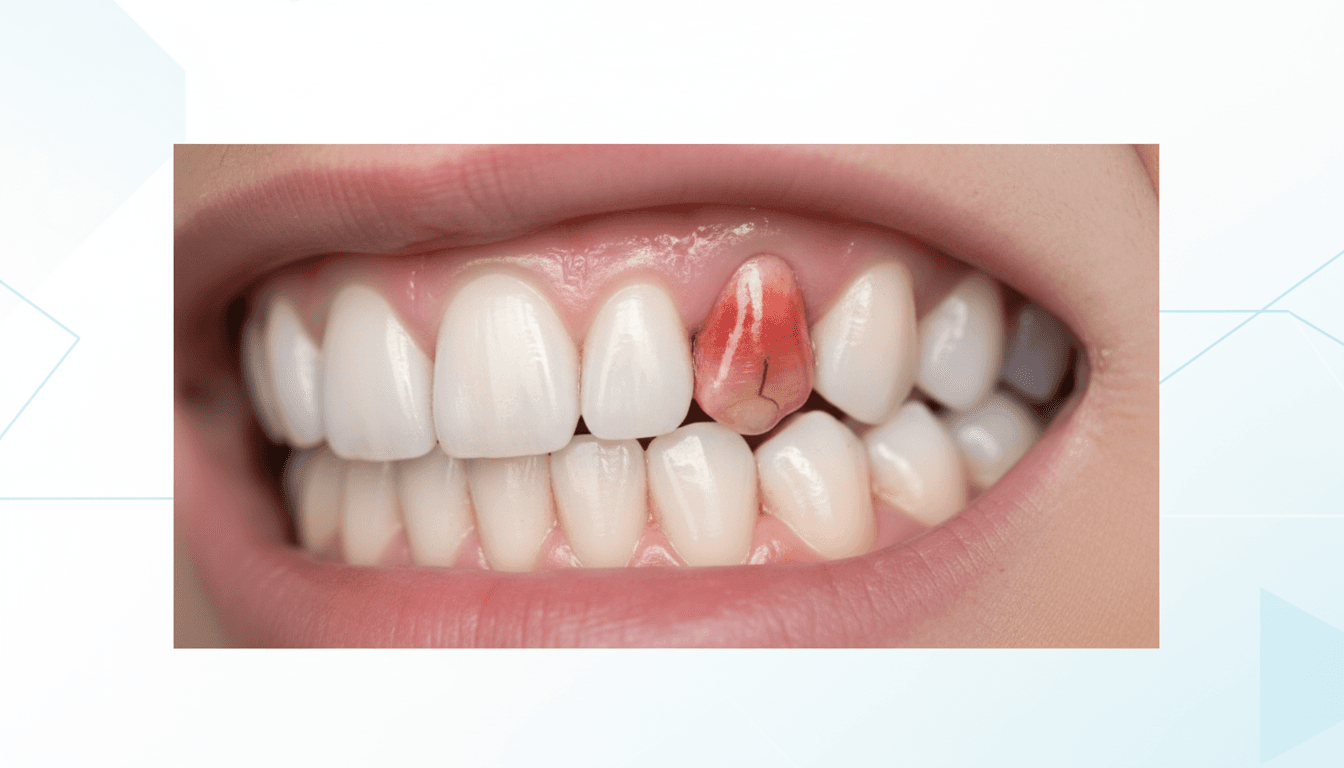
Experiencing a toothache can turn every meal into a challenge, transforming what should be an enjoyable part of your day into a source of anxiety and discomfort. The sharp, throbbing pain that radiates through your tooth and jaw makes the simple act of eating feel nearly impossible. Whether your toothache stems from a cavity, infection, gum disease, cracked tooth, or another dental issue, knowing what foods to eat and which to avoid can make a significant difference in managing your pain while maintaining proper nutrition until you can see your dentist. When dealing with tooth pain, your dietary choices become crucial for two important reasons: first, the right foods minimize discomfort and allow you to eat without triggering additional pain, and second, proper nutrition supports your body's immune system and healing processes during this stressful time. Many people with toothaches either force themselves through painful meals or skip eating entirely, neither of which is ideal. Understanding which foods provide comfort and nourishment without aggravating your condition empowers you to care for yourself effectively while waiting for professional treatment. This comprehensive guide explores the best food choices for tooth pain sufferers, foods that will worsen your discomfort, practical eating strategies, and important considerations about when to seek immediate dental care. While these recommendations help you manage symptoms temporarily, remember that a toothache always signals an underlying problem requiring professional attention. These dietary adjustments are meant to help you cope until you receive proper dental treatment, not to replace it.
Soft Foods That Minimize Chewing
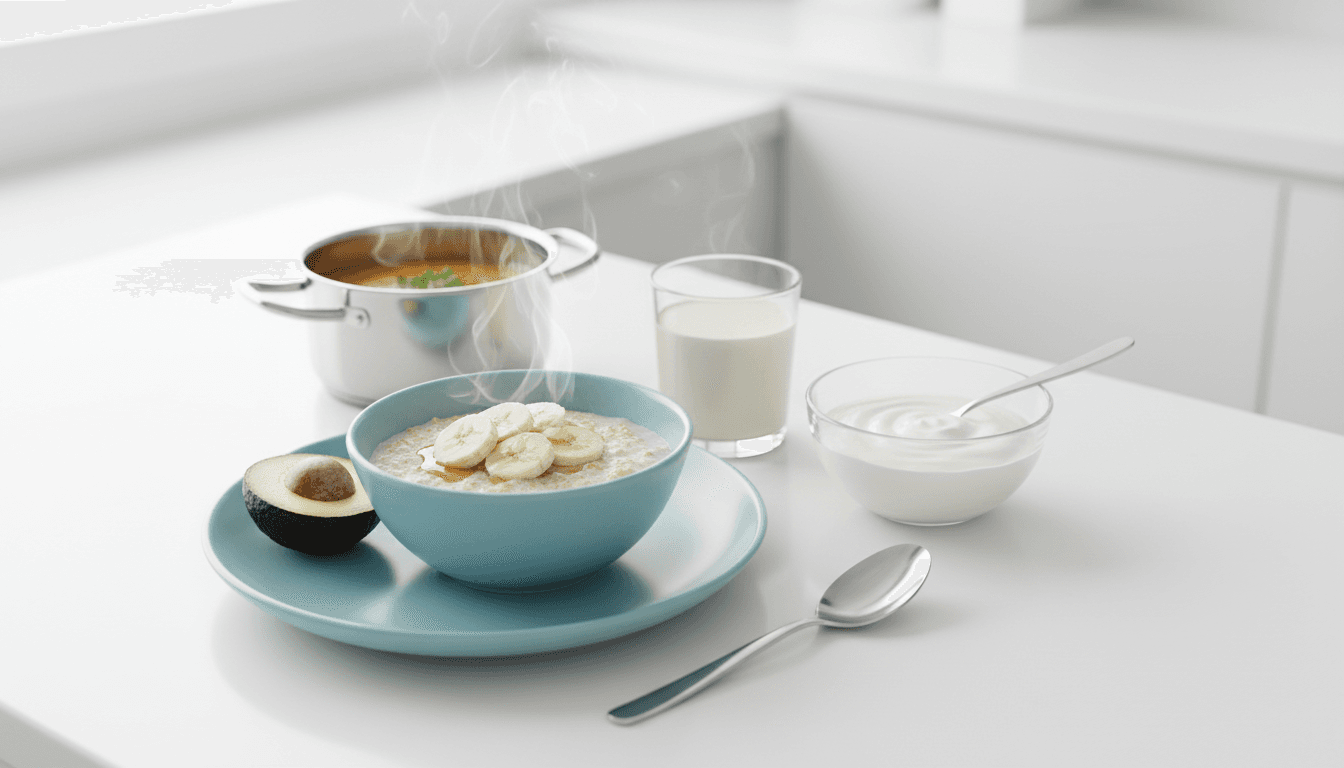
The foundation of any tooth pain diet consists of foods that require little to no chewing, allowing you to consume necessary calories and nutrients without stressing your painful tooth or surrounding tissues. Soft foods provide the best combination of comfort and nutrition when dealing with dental pain, making mealtime manageable rather than miserable. These foods slide down easily, don't require forceful jaw movements, and typically don't trigger pain from pressure on sensitive teeth.
When selecting soft foods, consider not just texture but also temperature and flavor intensity. The ideal foods are neutral in temperature (lukewarm or room temperature), mild in flavor to avoid irritating inflamed tissues, and smooth in consistency without unexpected hard bits that could cause problems. Building your meals around these principles allows you to maintain adequate nutrition and energy while protecting your painful tooth from additional stress.
Yogurt ranks among the best options for tooth pain sufferers because it requires absolutely no chewing and can be consumed at a comfortable temperature. Plain or vanilla yogurt provides protein, calcium, and probiotics that support digestive and immune health. Greek yogurt offers even more protein, helping you feel satisfied for longer periods. Choose smooth varieties without fruit chunks, granola, or other mix-ins that could irritate your sensitive mouth.
Cottage cheese, when chosen in small-curd varieties, provides substantial protein with minimal chewing required. Soft cheeses like ricotta, cream cheese, and brie can be spread on soft bread or eaten alone, offering both nutrition and comfort. Puddings and custards satisfy sweet cravings while being completely gentle on painful teeth. Chocolate, vanilla, or butterscotch varieties all work well.
Maintaining adequate protein intake supports healing and keeps your energy levels stable. Scrambled eggs rank among the most perfect foods for tooth pain. They're naturally soft, packed with protein, easy to prepare, and can be made extra moist with a splash of milk or cream. Cook them until just set rather than dry for optimal comfort. Eggs can be flavored mildly with cheese, providing additional protein and calcium.
Silken or soft tofu provides plant-based protein that requires minimal chewing and absorbs flavors from whatever you pair it with. Try it in miso soup or blended into smoothies for added protein. Smooth nut butters peanut, almond, or cashew spread on soft bread or stirred into oatmeal provide protein, healthy fats, and calories. Avoid chunky varieties that contain nut pieces.
Warm soups rank among the most comforting and practical options when dealing with tooth pain. Cream-based soups like cream of mushroom, broccoli cheese, tomato bisque, or potato soup offer smooth consistency and satisfying flavors. These soups provide vegetables, sometimes dairy, and often some protein in an easy-to-consume format. Ensure soups are cooled to lukewarm temperature before eating to avoid triggering heat sensitivity.
Pureed vegetable soups eliminate any chunks that might cause problems butternut squash soup, carrot ginger soup, sweet potato soup, and blended vegetable soup all provide excellent nutrition. Broth-based soups work well if you ensure all vegetables are cooked extremely tender and cut into small pieces. Chicken noodle soup can work if you choose soft noodles and well-cooked vegetables.
Vegetables provide essential vitamins, minerals, and fiber, but raw or crunchy vegetables are off-limits during tooth pain episodes. Mashed potatoes are a classic comfort food that's perfect for toothaches. They're soft, filling, and can be enriched with butter, milk, or cream for added nutrition. Season mildly with salt and pepper, avoiding harsh spices that might irritate sensitive tissues.
Sweet potato mash offers similar benefits with more vitamins, particularly vitamin A, and natural sweetness. Other excellent options include mashed cauliflower, which provides vitamin C and fiber with a lighter texture than potatoes, pureed carrots that offer beta-carotene and natural sweetness, and butternut squash puree that's rich in vitamins and has a naturally creamy texture.
Oatmeal cooked until very soft provides fiber, complex carbohydrates for sustained energy, and a comforting warm meal. Add mashed banana, smooth nut butter, or a drizzle of honey for extra nutrition and flavor. Cream of wheat or cream of rice cereals offer even smoother textures with milder flavors. These hot cereals can be made with milk instead of water for additional protein and calcium.
Well-cooked pasta with smooth sauce works wonderfully: choose smaller pasta shapes like ditalini or orzo and cook them longer than usual for extra softness. Creamy pasta sauces like alfredo or cheese sauce are gentler than chunky tomato sauces. Risotto, when made properly creamy, provides comfort and nutrition. White rice cooked very soft can be mixed with gravy, mild curry, or smooth sauces to make it easier to swallow.
Foods That Worsen Tooth Pain
Understanding which foods to avoid is equally important as knowing what to eat when dealing with a toothache. Certain foods can dramatically intensify your pain, potentially damage an already weakened tooth, or introduce bacteria that might complicate an existing infection. Being disciplined about avoiding problematic foods helps minimize your discomfort and prevents potential complications while you're awaiting professional dental treatment.
The temptation to eat your usual foods can be strong, particularly if you're used to a varied diet with lots of textures. However, temporarily sacrificing certain foods is a small price to pay for reduced pain and prevention of further damage. Remember that these restrictions are temporary once your dental problem is properly treated, you'll return to your normal eating patterns without discomfort.
Hard foods require forceful chewing that can cause intense pain when you have a toothache and might even break a tooth that's been weakened by decay or damage. Nuts and seeds, while nutritious, are completely off-limits: almonds, walnuts, peanuts, sunflower seeds, and similar items require significant chewing force. Popcorn presents multiple problems: hard kernels can crack teeth, hulls get stuck between teeth causing irritation, and the sharp edges can cut inflamed gum tissue.
Raw vegetables like carrots, celery, broccoli, and bell peppers require excessive chewing despite their health benefits. Hard candies seem harmless because they dissolve, but people often bite down on them, risking tooth fracture. Crackers, chips, and pretzels are crunchy and often have sharp edges that can irritate painful areas. Crusty bread, including baguettes and hard rolls, requires tearing and forceful chewing that stresses painful teeth.
Teeth experiencing pain are often extremely sensitive to temperature changes because the nerve inside the tooth is irritated or exposed. Very hot foods and beverages trigger sharp, shooting pain that can be excruciating. Steaming coffee or tea should be cooled substantially before drinking. Freshly cooked foods straight from the oven or stove need time to cool. Hot soups must reach lukewarm temperature before consumption.
Conversely, very cold items cause similar pain responses. Ice cream directly from the freezer, ice water, popsicles, and frozen smoothies all trigger intense sensitivity. The solution isn't necessarily avoiding these foods entirely but rather consuming them at moderate temperatures. Let ice cream soften slightly, allow cold beverages to reach cool rather than cold temperature, and ensure hot items cool to barely warm.
Sugar feeds the bacteria causing tooth decay, potentially worsening cavities and increasing pain. Sticky, sugary foods present particular problems because they adhere to teeth, providing prolonged sugar exposure. Caramels, taffy, gummy candies, and similar confections stick to teeth and are difficult to remove, especially from cavities or around damaged teeth. Dried fruits like raisins, dates, and apricots are healthy but extremely sticky and high in concentrated sugars.
Sweetened beverages including regular soda, sweetened tea, energy drinks, and fruit juices bathe your teeth in sugar. These liquids reach every surface of your teeth, feeding bacteria throughout your mouth. Even natural sugars from fruit juice contribute to bacterial growth. If you must consume something sweet, do so at mealtime rather than sipping throughout the day, and rinse with water afterward.
Acidic foods can erode tooth enamel and intensely irritate exposed nerves or inflamed tissues. Citrus fruits and juices, oranges, grapefruits, lemons, and limes are highly acidic despite their vitamin C content. Tomatoes and tomato-based products including pasta sauce, ketchup, and pizza sauce contain significant acid. Vinegar-based dressings and pickled foods create acidic environments in your mouth.
Wine, both red and white, is acidic and can trigger pain in sensitive teeth. Sports drinks and soda are not only sugary but also highly acidic, creating a double assault on compromised teeth. The acid can cause sharp pain on contact with sensitive areas and can weaken already damaged enamel. Choose neutral or mildly alkaline foods instead during your toothache episode.
Chewy foods require prolonged, repetitive chewing that stresses your jaw muscles and places continuous pressure on painful teeth. Tough cuts of meat like steak, pork chops, or chicken breast require significant chewing effort. Even ground meat can be problematic if it's cooked until dry or formed into dense patties. Chewy breads including bagels, pizza crust, and sourdough require substantial jaw work.
Chewing gum, even sugar-free varieties, involves repetitive jaw movements and pressure that can intensify tooth pain. The sticky texture can also pull on loose fillings or weakened teeth. Thick, chunky peanut butter requires significant tongue and jaw work to manipulate and swallow. These foods exhaust your jaw muscles and keep pressure on your painful tooth for extended periods, making them poor choices during dental pain episodes.
Strategic Eating Techniques for Pain Management
Beyond simply choosing appropriate foods, employing smart eating strategies can significantly reduce discomfort and help you maintain adequate nutrition despite tooth pain. How you eat matters nearly as much as what you eat when dealing with dental discomfort. These practical approaches help you navigate meals more comfortably while protecting your compromised tooth from additional stress or damage that could worsen your condition.
Implementing these techniques requires mindfulness during eating. You'll need to pay more attention to your eating process than usual. However, the reduction in pain and prevention of complications make this extra attention worthwhile. Many people find these strategies not only reduce immediate discomfort but also help them feel more in control while dealing with the stress and frustration of tooth pain.
If your toothache is localized to one specific area, chewing on the opposite side of your mouth is one of the simplest yet most effective pain management strategies. This technique keeps pressure and stress completely away from your painful tooth, allowing you to eat with significantly more comfort. However, this approach requires conscious attention because we typically chew without thinking about which side we're using.
To implement this strategy effectively, deliberately place food on the pain-free side of your mouth using your tongue before you begin chewing. Chew slowly and purposefully on that side, maintaining awareness throughout your meal. Avoid multitasking while eating—watching TV or scrolling through your phone makes it easy to forget and accidentally chew on the painful side. If you have pain on both sides or centralized pain, this technique becomes less helpful, and you'll need to rely more heavily on choosing extremely soft foods.
Rather than forcing yourself through three large meals despite significant pain, eating smaller portions more frequently throughout the day can be much easier on your mouth. Smaller meals require less total chewing time, reducing fatigue in your jaw muscles and limiting the duration of discomfort. You can stop eating if pain becomes too intense without feeling like you've wasted food or compromised your nutrition.
Plan for five to six small meals or substantial snacks spread throughout your day rather than three large meals. This approach also helps maintain stable blood sugar and energy levels, which can be particularly important when you're dealing with the physical and emotional stress of dental pain. Focus on nutrient-dense soft foods so that even small portions provide adequate protein, vitamins, and calories.
Temperature sensitivity is extremely common with toothaches because irritated or exposed nerves react intensely to hot and cold stimuli. The most comfortable temperature range for most people with tooth pain is lukewarm to room temperature neither distinctly warm nor cool. Before consuming any food or beverage, take a moment to assess its temperature and adjust if necessary.
Hot foods should be stirred and allowed to cool until barely warm to the touch. This might mean letting your morning coffee cool considerably or waiting several minutes after cooking before eating. Cold foods from the refrigerator often benefit from sitting at room temperature for 10-15 minutes before consumption. Refrigerated yogurt, for example, is much more comfortable when allowed to warm slightly. Some people find using a food thermometer helpful to ensure their meals fall within a comfortable temperature range.
Adequate hydration remains essential even when drinking causes discomfort. Water helps your body heal, supports immune function, and helps wash away food particles and bacteria from your mouth. However, drinking with tooth pain requires some adjustments. Water should be room temperature rather than cold from the refrigerator or ice-laden. Avoid using straws, as the suction can sometimes disturb painful areas or create pressure changes that trigger discomfort.
Sip water slowly and gently rather than gulping large amounts, allowing it to flow around your mouth naturally without forcing it against sensitive areas. Choose still water over carbonated options, as the bubbles and acidity in sparkling water or soda can irritate compromised teeth. If plain water feels too boring, try herbal tea cooled to room temperature, which provides hydration along with potential mild soothing properties from ingredients like chamomile or peppermint.
Even when brushing and flossing cause discomfort, maintaining oral hygiene remains crucial during a toothache episode. Bacteria accumulation around your painful tooth can worsen your condition, increase pain, and potentially lead to more serious infection. However, your approach needs modification to accommodate your sensitive state. Use a soft-bristled toothbrush with gentle, small circular motions rather than aggressive scrubbing.
Brush very carefully around the painful area without applying excessive pressure that might cause sharp pain or bleeding. Rinse with lukewarm water rather than cold, which can trigger sensitivity. Continue flossing other areas of your mouth while being extremely careful and gentle around the sensitive tooth. You might need to skip that immediate area if it's too painful. If brushing causes severe pain or bleeding, contact your dentist for specific guidance tailored to your situation.
Nutritional Considerations During Tooth Pain
While managing discomfort is the immediate priority when dealing with a toothache, maintaining proper nutrition shouldn't be overlooked. Your body needs adequate nutrients to support immune function, heal damaged tissues, and maintain energy levels all particularly important when dealing with a dental infection or injury. Understanding how to meet your nutritional needs despite dietary restrictions helps you stay healthy and strong while awaiting professional treatment.
Many people experiencing significant tooth pain inadvertently develop nutritional deficiencies because they avoid eating or rely too heavily on simple carbohydrates that are easy to consume but lack diverse nutrients. Being thoughtful about your food choices ensures you're not just eating soft foods, but eating nutritious soft foods that support your overall health during this challenging time.
Protein is essential for tissue repair, immune function, and maintaining muscle mass. When tooth pain limits your food choices, you might naturally gravitate toward carbohydrate-heavy options like mashed potatoes and pasta while inadvertently reducing protein consumption. Make a conscious effort to include protein sources in every meal and snack. Eggs, Greek yogurt, soft tofu, smooth nut butters, well-cooked fish, and protein powder mixed into smoothies or oatmeal all provide essential amino acids.
Cottage cheese offers substantial protein in a very soft format. Refried beans or well-mashed regular beans provide plant-based protein along with fiber. If you typically eat meat, consider very tender options like slow-cooked chicken or beef that's been shredded and mixed with gravy or sauce to make it easier to consume. Protein shakes or smoothies can supplement your intake if solid food consumption is severely limited.
Fruits and vegetables provide vitamins, minerals, and antioxidants that support healing and immune function, but many of these foods are challenging to eat with tooth pain. Focus on soft preparations: pureed soups made from various vegetables, well-cooked vegetables mashed or pureed, smoothies containing fruits and even some vegetables like spinach, and applesauce or mashed banana for fruit nutrition.
Vitamin C supports healing and immune function while citrus is too acidic, you can get this vitamin from cooked vegetables like broccoli or cauliflower when pureed, sweet potato, and vitamin C-fortified foods. Calcium and vitamin D support dental health dairy products like yogurt and soft cheese, fortified plant milks, and supplements if necessary can help meet these needs. B vitamins from whole grains, eggs, and dairy support energy metabolism during this stressful period.
Tooth pain often reduces appetite, and the effort required to eat might discourage adequate food consumption. However, maintaining sufficient calorie intake prevents unwanted weight loss and ensures you have energy to function. Choose calorie-dense soft foods when possible: full-fat dairy products rather than low-fat versions provide more calories in smaller volumes, nut butters offer concentrated calories and nutrients, avocado when mashed provides healthy fats and substantial calories, and adding olive oil, butter, or cream to foods increases caloric density.
If you're significantly reducing food intake due to pain, consider supplementing with nutritional drinks designed for people with eating difficulties. Products like Ensure or Boost provide balanced nutrition in liquid form. Homemade smoothies with fruit, yogurt, nut butter, and even vegetables can pack substantial nutrition and calories into an easy-to-consume format.
Adequate fiber supports digestive health, but many fiber-rich foods are crunchy or require significant chewing. Soft fiber sources include oatmeal and other cooked cereals, well-cooked pasta and soft grains, pureed beans and lentils, mashed sweet potato or regular potato with skin, and smoothies containing ground flaxseed or chia seeds. These options provide fiber without requiring uncomfortable chewing.
If you're concerned about reduced fiber intake during your toothache episode, consider a fiber supplement like Metamucil or Benefiber, which dissolve in beverages. Staying well-hydrated is particularly important when consuming fiber supplements to prevent digestive discomfort. Remember that this is a temporary situation once your dental problem is resolved, you'll return to your normal high-fiber diet without difficulty.
Beyond drinking water, you can increase fluid intake through foods with high water content that are easy to consume with tooth pain. Soups and broths are largely liquid, providing hydration along with nutrition. Yogurt contains significant moisture. Smoothies combine hydration with nutrition in one easy-to-consume package. Popsicles made from fruit juice or pureed fruit (allowed to slightly melt before eating to avoid cold sensitivity) provide both hydration and some nutrition.
Adequate hydration supports every system in your body, helps your body eliminate toxins, supports immune function as you fight potential infection, and helps maintain energy levels. If you notice signs of dehydration, dark urine, dry mouth beyond what's expected from breathing through your mouth due to pain, dizziness, or fatigue increase your fluid intake immediately and consult a healthcare provider if symptoms persist.
When Professional Dental Care Cannot Wait
While dietary adjustments and home care measures help you manage tooth pain temporarily, certain situations require immediate professional dental attention. Understanding when to seek urgent care ensures you don't delay treatment for conditions that could worsen rapidly or spread beyond your tooth. Dental infections can become serious medical emergencies if left untreated, potentially affecting your overall health and even becoming life-threatening in rare cases.
Many people try to "tough out" dental pain, hoping it will improve on its own or trying to avoid the cost and time commitment of dental treatment. However, toothaches rarely resolve without professional intervention, and delaying care typically results in more complex, expensive treatment later. Recognizing warning signs that indicate you need immediate attention protects both your oral and overall health.
Seek immediate dental care if you experience severe facial swelling, particularly if it affects your eye, makes swallowing difficult, or interferes with breathing. Swelling that extends into your neck or causes your jaw to feel stiff can indicate spreading infection. Fever of 101°F or higher accompanying tooth pain suggests systemic infection that requires urgent treatment with antibiotics and possibly drainage procedures.
Visible pus drainage from around the tooth, a foul taste in your mouth, or persistent bad breath despite oral hygiene indicates active infection. Feeling generally unwell experiencing fatigue, body aches, or feeling feverish even without measured fever alongside tooth pain suggests your body is fighting a significant infection. These situations require same-day dental evaluation and treatment.
While some discomfort during a toothache is expected, pain that's so severe it prevents sleep, makes eating impossible even with soft foods, or doesn't respond at all to over-the-counter pain medication requires immediate professional attention. This level of pain often indicates significant infection or nerve involvement that won't improve without treatment. Waiting unnecessarily prolongs your suffering and may allow the condition to worsen.
Pain that has persisted for more than two days despite home care efforts also warrants prompt dental evaluation. Even if the pain isn't excruciating, its persistence indicates an underlying problem that requires professional diagnosis and treatment. Don't adopt a "wait and see" approach with dental pain; teeth don't heal themselves, and toothaches indicate conditions that need intervention.
If your tooth pain results from trauma, a fall, sports injury, car accident, or biting down on something hard, seek dental evaluation promptly even if pain is moderate. Teeth can develop cracks not immediately visible that will cause problems later. Injury might have damaged the tooth's root or surrounding bone, conditions that require professional assessment and treatment to prevent long-term complications.
A tooth that's been completely knocked out requires emergency care within 30-60 minutes for the best chance of successful replantation. A partially dislodged tooth that's moved out of position needs immediate attention. Even seemingly minor dental injuries benefit from professional evaluation to ensure no hidden damage exists.
Pregnant women experiencing tooth pain should seek dental care promptly rather than trying to manage pain with dietary adjustments alone. Many dental procedures are safe during pregnancy, and untreated dental infections can potentially affect pregnancy outcomes. Your dentist can work with your obstetrician to provide safe, appropriate treatment.
People with compromised immune systems from diabetes, HIV/AIDS, cancer treatment, or immunosuppressive medications should seek prompt care for dental infections, as these can spread more rapidly and become more serious in immunocompromised individuals. Similarly, people with heart conditions or artificial heart valves need prompt treatment of dental infections due to increased risk of bacteria spreading to heart tissue.
If your tooth pain intensifies despite following all appropriate dietary adjustments and home care recommendations, this indicates the underlying condition is progressing and requires professional intervention. Don't continue suffering at home hoping things will improve worsening pain signals that the infection or damage is advancing and needs treatment to prevent further complications.
Similarly, if you initially experience some improvement with home care but then pain returns or intensifies, this suggests the temporary measures have reached their limit of effectiveness and professional treatment is necessary. Trust your instincts if something feels seriously wrong or you're concerned about your symptoms, it's always better to seek evaluation than to wait and potentially allow a manageable problem to become a serious emergency.
Conclusion
Knowing what to eat when you have a toothache can significantly improve your comfort and help you maintain proper nutrition while managing dental pain. Focus on soft, lukewarm foods that require minimal chewing yogurt, scrambled eggs, mashed potatoes, smooth soups, well-cooked pasta, and pureed vegetables allow you to nourish your body without aggravating your painful tooth. Equally important is avoiding hard, crunchy, temperature-extreme, sugary, acidic, and chewy foods that can intensify pain or potentially cause additional damage to a compromised tooth.
Remember that dietary adjustments and home remedies provide only temporary symptom relief they help you manage discomfort but don't address the underlying cause of your toothache. Professional dental care is essential for proper diagnosis and treatment of the condition causing your pain. Whether your toothache stems from a cavity, infection, cracked tooth, gum disease, or another dental issue, your dentist can identify the problem and provide appropriate treatment to resolve it permanently. Don't delay seeking care, as early intervention typically results in simpler, more conservative, and less expensive treatment than waiting until problems become severe.
Frequently Asked Questions
Dr. Allen V
Dental health content specialist at AppointPanda, dedicated to helping patients make informed decisions about their dental care through comprehensive, accurate information.
Get More Dental Tips
Subscribe to get weekly articles delivered to your inbox