How You Can Fix Gap Teeth with Braces
Dr. Liza Day
Dental Health Expert
Featured image for: How You Can Fix Gap Teeth with Braces
Gap teeth (diastema) can be closed effectively with braces. This article explains how braces work, treatment considerations, common myths, and why professional evaluation is essential for safe, lasting results.
Gap teeth, medically known as a diastema, refer to spaces that appear between two or more teeth. Many people notice these gaps during adolescence or adulthood and wonder whether they can be corrected without surgery or extensive dental work.
Understanding the options for closing a diastema is important because untreated gaps can sometimes affect bite function, speech, or self‑confidence. Braces are one of the most widely used methods, but the process, expectations, and possible outcomes vary from person to person.
What Is a Diastema and Why Does It Occur?
A diastema can appear anywhere in the dental arch, but it is most commonly seen between the upper front teeth (the central incisors). The size of the gap may range from a thin line to a noticeable space that changes the visual balance of the smile.
Several factors can contribute to the development of a gap:
- Genetics: Some families have a natural tendency toward larger tooth‑to‑tooth spacing.
- Jaw‑to‑tooth size mismatch: When the jaw is larger than the combined width of the teeth, extra space can remain.
- Habits: Thumb‑sucking, prolonged pacifier use, or tongue thrusting can push teeth apart.
- Missing teeth: The absence of a tooth can cause adjacent teeth to shift, creating a gap.
- Periodontal changes: Bone loss around teeth may lead to spacing, especially later in life.
Because the underlying cause varies, a thorough clinical evaluation is essential before deciding on a treatment path.
Why Braces Are a Common Solution for Closing Gaps
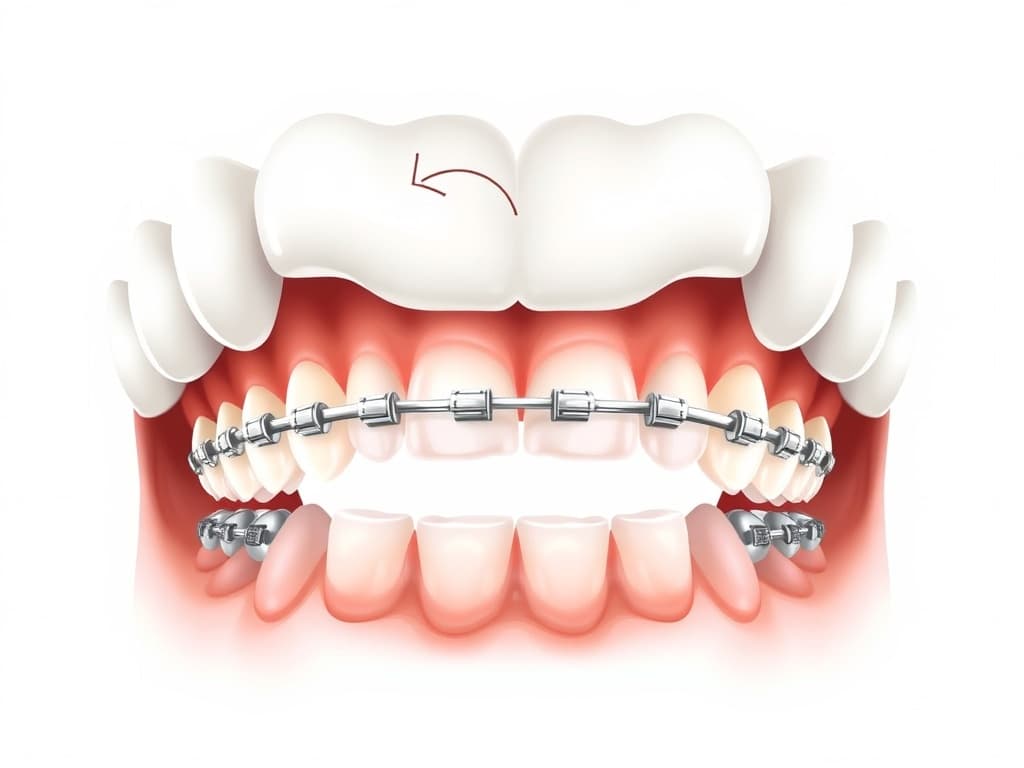
Braces apply continuous, gentle pressure to teeth, encouraging them to move within the surrounding bone. This controlled movement can gradually reduce or eliminate a diastema while also aligning the rest of the dental arch.
Several types of braces are available, each with distinct aesthetic and functional characteristics:
- Metal brackets: Traditional stainless‑steel brackets are strong, durable, and often the most cost‑effective option.
- Ceramic brackets: These blend with the tooth colour, offering a less noticeable appearance while providing similar mechanical performance.
- Lingual braces: Placed on the tongue side of the teeth, they are invisible from the front but require specialized expertise.
- Clear aligner systems: Although not a brace in the strict sense, removable clear trays can sometimes achieve minor gap closure, especially when the space is small.
Choosing the right appliance depends on factors such as the size of the gap, overall alignment needs, aesthetic preferences, and the patient’s oral hygiene habits.
How Orthodontists Plan Treatment for Gap Closure
Before any appliance is placed, an orthodontist will typically conduct a comprehensive assessment. This may include visual examination, dental photographs, digital scans or traditional impressions, and sometimes X‑rays to evaluate bone structure.
The collected records help the clinician answer key questions:
- Is the gap primarily due to spacing, or does it involve an underlying bite issue?
- Are there adjacent teeth that need to be moved to achieve a harmonious result?
- What is the expected duration of treatment, and are there any factors that could extend it?
- Would adjunctive procedures—such as a minor interproximal reduction (slight reshaping of tooth surfaces) or a restorative buildup—be advisable after orthodontic movement?
These considerations guide the selection of bracket type, wire sequence, and any auxiliary components such as elastics or springs that might assist in closing the space.
What Patients Typically Experience During Braces Treatment
Once braces are bonded, the teeth begin to shift gradually. Most patients notice the first subtle changes within a few weeks, though the visible reduction of a gap often takes several months.
Common experiences during the course of treatment include:
- Adjustment appointments: Regular visits (usually every 4–8 weeks) allow the orthodontist to change wires, tighten brackets, or make minor modifications.
- Temporary discomfort: Applying pressure can cause mild soreness, especially after an adjustment, but this usually subsides within a few days.
- Oral hygiene challenges: Brackets and wires create additional surfaces where plaque can accumulate, so diligent brushing, flossing, and possibly using interdental brushes become even more important.
- Dietary considerations: Sticky or very hard foods may increase the risk of bracket breakage, so many patients opt for softer alternatives during the early phases.
While each individual’s timeline differs, orthodontists often estimate that closing a moderate diastema with braces may require anywhere from six months to two years, depending on the complexity of the overall alignment.
Potential Benefits and Limitations of Using Braces for Gap Closure
Braces can provide several advantages beyond merely closing a space:
- Comprehensive alignment: Simultaneously addressing crowding, overbite, or underbite can improve both aesthetics and function.
- Long‑term stability: When retention protocols (such as retainers) are followed, the corrected position can remain stable for many years.
- Predictable biomechanics: The forces applied by brackets and wires are well studied, giving clinicians confidence in the direction and magnitude of tooth movement.
However, there are also limitations to keep in mind:
- Very large gaps sometimes require additional procedures, such as minor surgical exposure of the gum tissue or restorative work after orthodontic movement.
- Patients with poor oral hygiene may experience decalcification (white spots) around brackets, which can affect the final appearance.
- Compliance with appointments and retainer wear after braces are removed is crucial; otherwise, the gap may reappear.
Common Misconceptions About Braces and Gap Teeth
Because orthodontic treatment is highly visible in popular culture, several myths have emerged:
- Myth: Braces always make gaps larger before they get smaller. In reality, the initial movement may shift teeth in multiple directions to achieve overall alignment, but the clinician monitors the space closely to avoid unwanted widening.
- Myth: Only children can benefit from braces for gaps. Adults often seek orthodontic correction for aesthetic or functional reasons, and modern bracket systems are designed for patients of any age.
- Myth: All braces are painful. While some discomfort is normal after adjustments, many patients describe the sensation as mild pressure rather than sharp pain.
- Myth: Braces are the only way to close a gap. In certain cases, a combination of cosmetic bonding, veneers, or minor periodontal procedures may be considered, especially when the gap is very small and the bite is otherwise ideal.
Understanding the realistic outcomes helps set appropriate expectations and reduces unnecessary anxiety.
Frequently Asked Questions
Can I close a gap with braces without any other dental work?
In many instances, braces alone can move the teeth enough to eliminate a moderate diastema. However, if the gap is extremely large or if the surrounding gum tissue is thin, a dentist might recommend a minor surgical or restorative adjunct after the orthodontic phase.
How long does it typically take to close a gap using braces?
The timeline varies based on the size of the space, the type of braces used, and the individual's biological response to tooth movement. Some patients see noticeable closure within a few months, while others may require a year or more to achieve the desired result.
Will wearing braces affect my speech?
Most people experience a brief adjustment period during which certain sounds feel different, especially with larger appliances. Speech usually returns to normal within a few weeks as the tongue adapts to the brackets and wires.
Are there age limits for using braces to fix gap teeth?
There is no strict upper age limit. Adults can benefit from braces, though bone density and gum health are evaluated to ensure safe movement. In some older patients, slower tooth movement may extend the overall treatment time.
What happens after the braces are removed?
Retention is a critical phase. Most orthodontists prescribe a removable or fixed retainer to hold the teeth in their new positions. Consistent retainer wear helps maintain the closure of the gap and prevents relapse.
Conclusion
Braces remain a reliable and versatile option for closing gap teeth, offering both aesthetic improvement and functional benefits when planned and executed by a qualified orthodontist. By understanding the causes of a diastema, the mechanics of braces, and the realistic expectations for treatment, patients can make informed decisions that align with their personal goals. Consulting a dental professional ensures that any underlying issues are addressed and that the chosen approach—whether braces alone or in combination with other procedures—provides a safe and lasting outcome.
Dr. Liza Day
Dental health content specialist at AppointPanda, dedicated to helping patients make informed decisions about their dental care through comprehensive, accurate information.
Get More Dental Tips
Subscribe to get weekly articles delivered to your inbox