Teeth Whitening: In‑Office vs. At‑Home Options Explained
Dr. Liza Day
Dental Health Expert
Featured image for: Teeth Whitening: In‑Office vs. At‑Home Options Explained
A clear, balanced overview of professional in‑office and at‑home teeth‑whitening methods, covering how they work, effectiveness, safety, cost and common myths to help you make an informed choice.
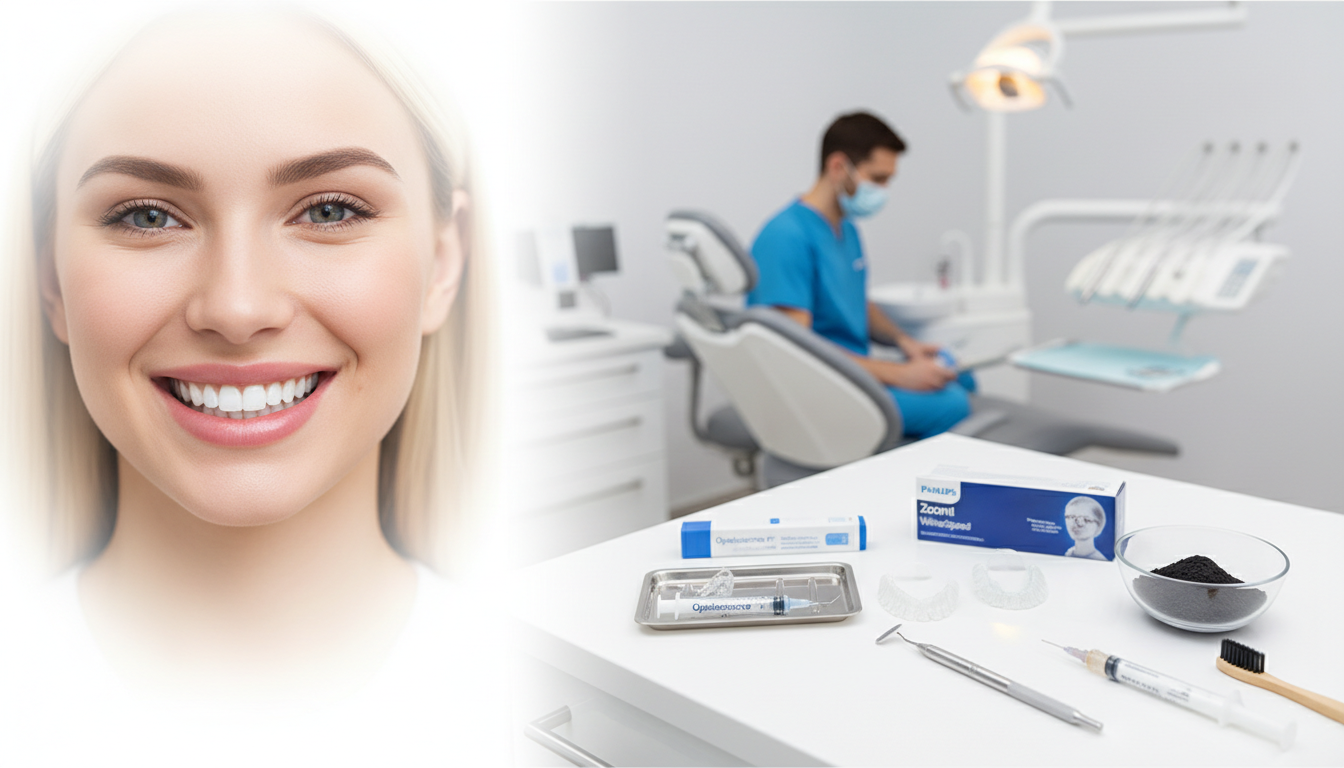
Teeth whitening is one of the most requested cosmetic dental procedures worldwide. Whether the goal is to brighten a smile for a special event or simply to feel more confident day‑to‑day, many people wonder which method—professional in‑office bleaching or at‑home kits—will give the best results with the least risk.
Understanding the science behind whitening, the practical differences between the two approaches, and the factors that influence safety and cost can prevent disappointment and protect oral health. This article breaks down the key elements you should consider before deciding which option suits you.
How Teeth Whitening Works: The Basics
Both in‑office and at‑home whitening rely on peroxide‑based agents, typically hydrogen peroxide or carbamide peroxide. These chemicals penetrate the enamel and break down chromogenic molecules—substances that cause stains—from sources such as coffee, tea, tobacco, and certain medications. The result is a lighter shade of tooth structure without removing any enamel.
The concentration of peroxide determines how quickly and how dramatically the color change occurs. Higher concentrations can produce noticeable lightening in a single session, while lower concentrations require repeated applications over days or weeks. The underlying principle is the same; the delivery method and concentration differ.
In‑Office Whitening: What to Expect
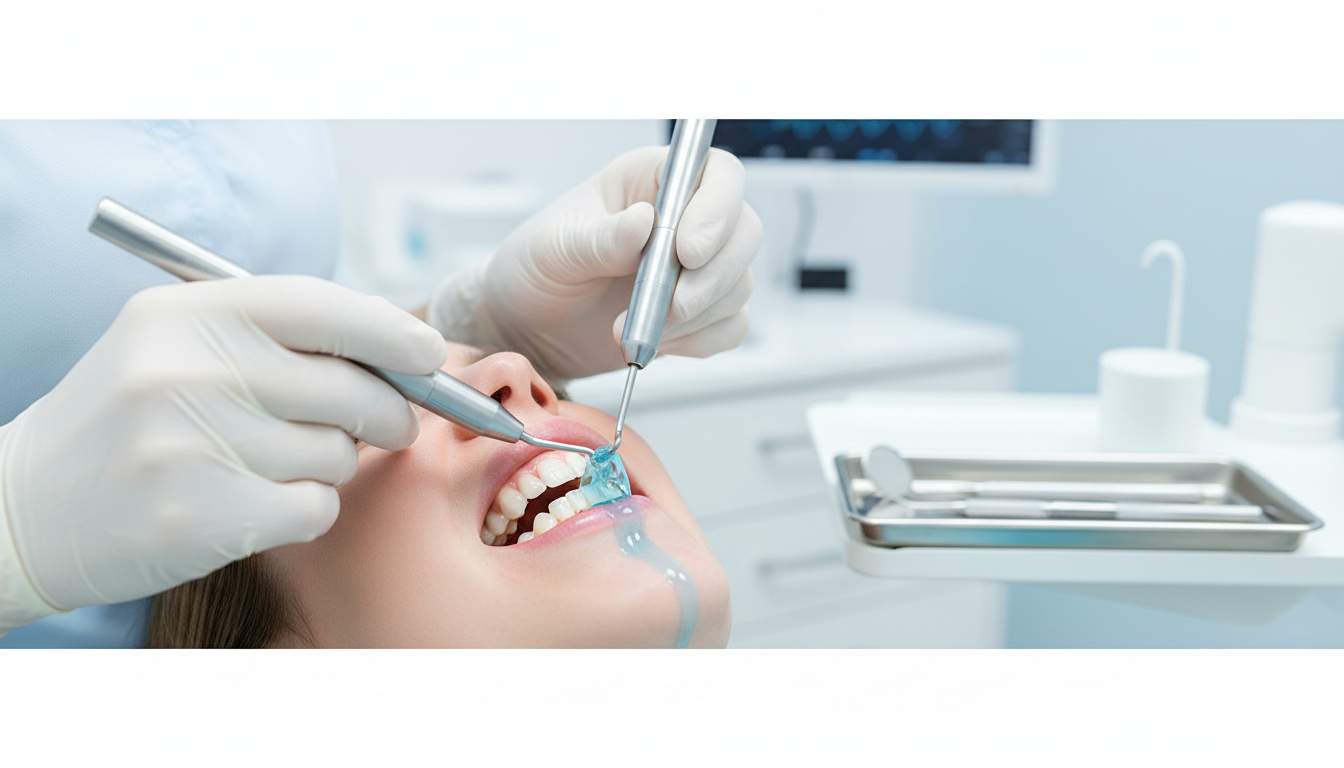
Professional in‑office bleaching is performed by a dentist or a trained dental hygienist. The procedure typically begins with a brief examination to rule out cavities, gum disease, or other conditions that could be aggravated by bleaching. Once cleared, a protective barrier—often a rubber dam or a light‑cured gel—is placed to shield the gums.
A high‑concentration peroxide gel (usually 15‑40%) is then applied to the tooth surfaces. Many offices use a light‑activation system—LED, laser, or plasma arc—to accelerate the chemical reaction, though the evidence on added benefit is mixed. The gel remains in place for 10‑30 minutes, after which it is removed, and the process may be repeated once or twice in the same appointment. Most patients walk out with a shade improvement of one to three levels after a single visit.
At‑Home Whitening: Options and How They Differ
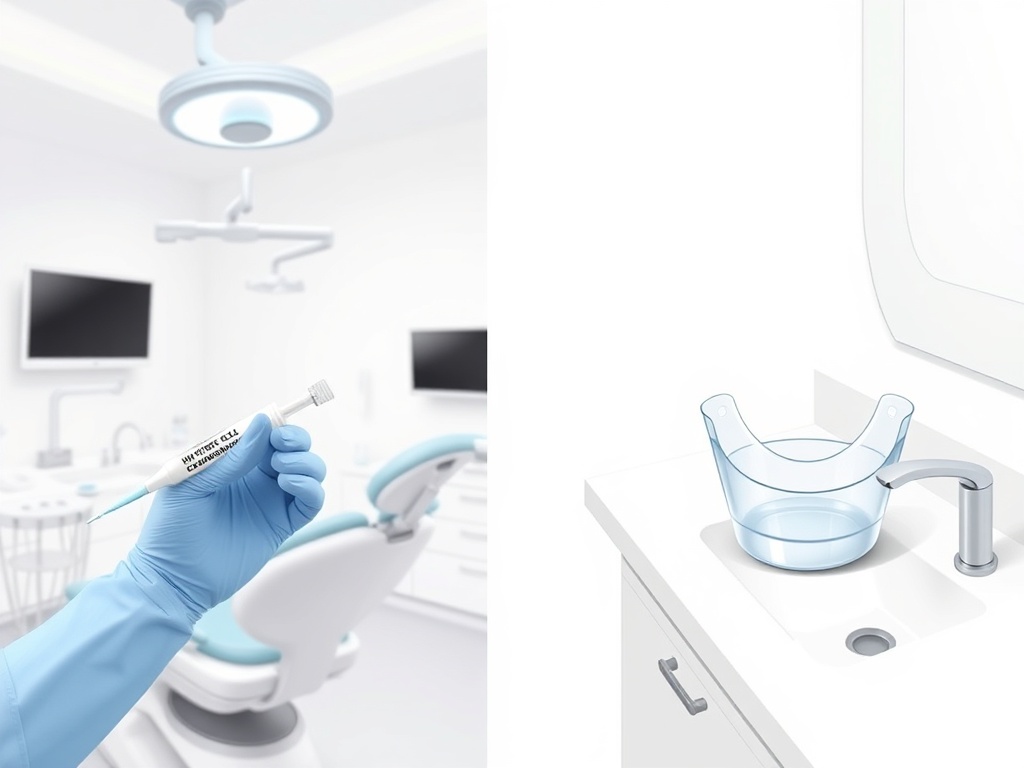
At‑home whitening can be divided into two main categories: dentist‑provided custom trays and over‑the‑counter (OTC) products. Custom trays are fabricated from an impression of your teeth, ensuring a snug fit that distributes the gel evenly. The peroxide concentration in these gels typically ranges from 10‑22% for carbamide peroxide, which releases hydrogen peroxide gradually over several hours.
OTC options include whitening strips, paint‑on gels, and pre‑filled trays. Their peroxide concentrations are lower—usually 3‑10%—and they are designed for convenience rather than precision. Users apply the product according to the manufacturer’s directions, often for 30 minutes to a few hours per day, over a period of one to two weeks.
Effectiveness and Speed: In‑Office vs. At‑Home
Because in‑office bleaching uses higher peroxide concentrations and may incorporate light activation, it generally yields faster and more dramatic shade changes. Many patients notice a visible difference after the first appointment, which can be especially appealing for those seeking quick results before an event.
At‑home systems, particularly custom‑tray treatments, can achieve comparable results over a longer timeline—typically two to four weeks of nightly wear. OTC products often produce modest improvements, usually one shade lighter, and may require consistent use to maintain the effect. The trade‑off is convenience and lower cost.
Safety Considerations and Potential Sensitivity
Tooth sensitivity and gum irritation are the most common side effects of any bleaching procedure. The risk is dose‑dependent: higher peroxide concentrations and longer exposure increase the likelihood of transient sensitivity. In‑office treatments mitigate this risk by protecting the soft tissues and limiting exposure time, but some patients still report mild discomfort that usually resolves within a few days.
At‑home kits, especially ill‑fitting trays or over‑use of OTC strips, can cause uneven gel distribution, leading to gum irritation or heightened sensitivity. Following the recommended application schedule and using products that have been evaluated by dental professionals can reduce these risks. Anyone with a history of severe sensitivity, cracked teeth, or extensive dental work should discuss options with a dentist before starting any whitening regimen.
Who Might Benefit Most from Each Approach
In‑office whitening is often favored by individuals who need rapid results, have significant discoloration (e.g., tetracycline staining, extensive coffee staining), or prefer a treatment supervised by a dental professional. It is also a good choice for patients who want a single appointment and are comfortable with a higher upfront cost.
At‑home custom trays are suitable for people who desire a gradual, controllable process and who may have mild to moderate staining. They offer flexibility to fit the treatment into a busy schedule and can be more cost‑effective over the long term. OTC products may appeal to those with very light staining or who are testing whitening for the first time, though they should be aware of the limited shade change.
Cost Factors: What Influences the Price
The price of in‑office whitening varies by region, the specific system used, and the dentist’s expertise, typically ranging from $300 to $1,000 per session. This cost includes the professional assessment, protective measures, and the high‑strength gel. Some practices offer a complimentary take‑home tray to maintain results, which can add to the overall expense.
Custom at‑home trays usually cost between $150 and $400, covering the impression, laboratory fabrication, and a supply of gel. OTC kits are the most affordable, often priced under $100, but they may require multiple purchases to achieve and sustain the desired shade. Insurance generally does not cover cosmetic whitening, though a dentist may document a medical need (e.g., restoration of tooth structure after trauma) in rare cases.
Common Misconceptions About Teeth Whitening
One frequent myth is that whitening can restore the original shade of severely stained or restored teeth. While bleaching can lighten natural enamel, it does not affect the color of composite fillings, crowns, or veneers. Those materials may appear darker after surrounding teeth are brightened, creating a mismatch that may require replacement for aesthetic harmony.
Another misconception is that whitening weakens enamel. Research indicates that, when used as directed, peroxide agents do not erode enamel structure. However, excessive or improper use—such as leaving gels on for longer than recommended—could potentially increase enamel porosity and sensitivity. This underscores the importance of professional guidance.
Frequently Asked Questions
Q1: How long do the results of whitening typically last?
Results vary by individual habits and oral hygiene. Most people maintain a brighter shade for six months to two years, after which natural staining may reappear. Regular brushing, flossing, and limiting stain‑inducing foods can extend the effect.
Q2: Can I whiten my teeth if I have dental restorations?
Whitening agents do not change the color of crowns, bridges, or veneers. If you have extensive restorations, a dentist may recommend matching the shade of new restorations to the whitened teeth for a uniform appearance.
Q3: Is it safe to use multiple whitening products at the same time?
Combining products can increase peroxide exposure and heighten sensitivity. It is generally advisable to use only one system at a time and follow the specific instructions provided.
Q4: Will whitening affect my dental implants?
Implants are made of materials that do not change color with peroxide. However, surrounding natural teeth may become lighter, potentially highlighting a color difference between the implant crown and the adjacent teeth.
Q5: What should I do if I experience significant sensitivity?
If sensitivity persists beyond a few days, discontinue use and consult a dental professional. They may recommend a desensitizing toothpaste, a lower‑concentration gel, or a shorter wear time.
Conclusion
Both in‑office and at‑home teeth‑whitening options have distinct advantages and limitations. In‑office treatments deliver rapid, noticeable results under professional supervision, while at‑home systems offer flexibility, gradual shade improvement, and lower cost. Safety, potential sensitivity, and the presence of dental restorations are key factors that influence which method may be most appropriate.
Because individual oral conditions differ, the best approach is to discuss your goals and medical history with a qualified dentist. A professional evaluation can help you select a safe, effective whitening plan that aligns with your expectations and preserves the health of your smile.