What Are the Side Effects of Dental Cleaning
Dr. Allen V
Dental Health Expert
Featured image for: What Are the Side Effects of Dental Cleaning
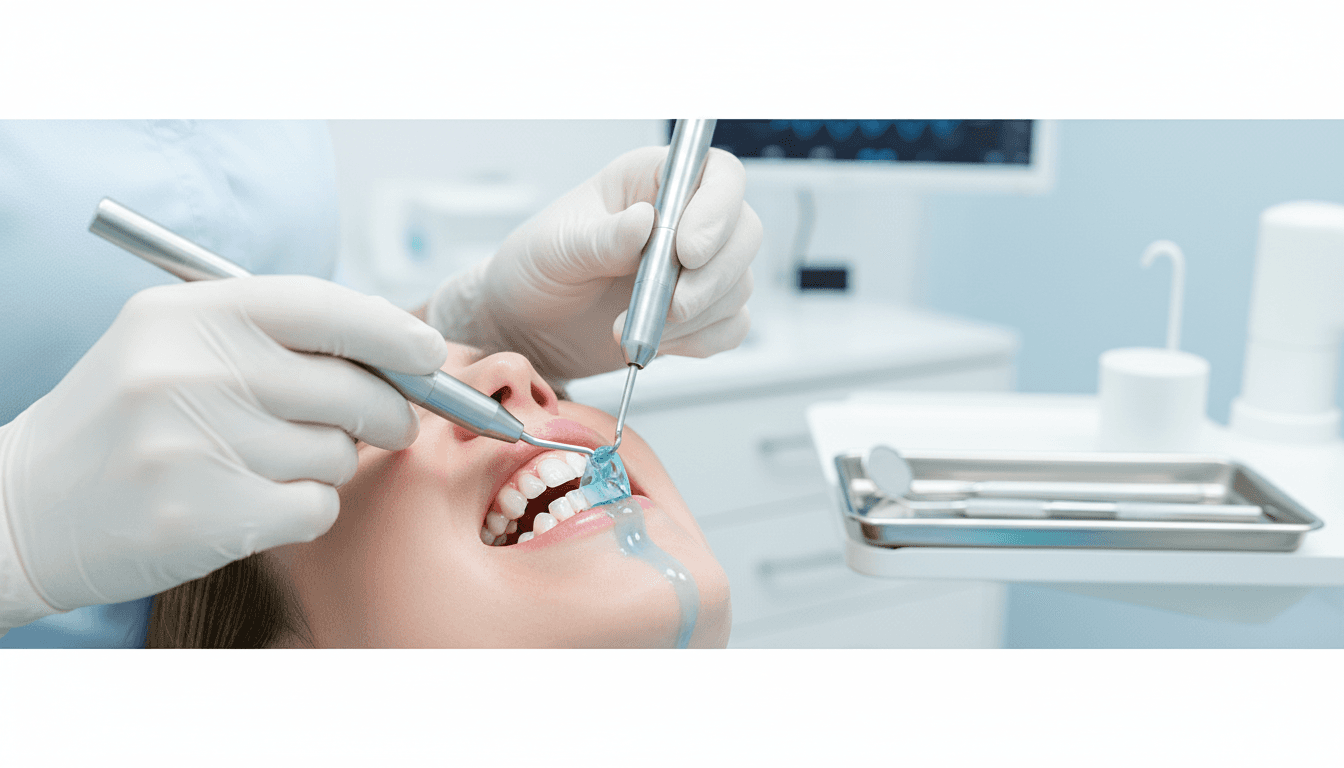
Dental cleanings are essential preventive procedures that protect your oral health by removing plaque, tartar, and bacteria from your teeth and gums. Most dental professionals recommend getting your teeth cleaned every six months to maintain optimal oral hygiene and prevent serious conditions like gum disease and tooth decay. While these routine procedures are generally safe and beneficial, many patients wonder about potential side effects and what to expect after their appointment. Understanding the temporary discomfort or complications that can occur helps you prepare for your cleaning, distinguish normal post-procedure sensations from concerning symptoms, and know when to contact your dentist for follow-up care.
Common and Expected Side Effects After Dental Cleaning
The most frequently reported [side effect after a dental cleaning] is temporary tooth sensitivity. This sensation occurs because the cleaning process removes buildup that may have been insulating your teeth from temperature changes and other stimuli. Once this protective layer of tartar is removed, your teeth may react more noticeably to hot coffee, cold water, sweet foods, or even cold air. This sensitivity typically resolves within a few days to a week as your teeth adjust and your saliva naturally remineralizes the exposed surfaces.Gum tenderness is another common and expected response to professional cleaning. During the procedure, dental instruments work along and slightly beneath the gum line to remove plaque and calculus buildup. This mechanical action, while necessary, can irritate gum tissue, causing temporary soreness and sensitivity. Your gums might feel tender when brushing, flossing, or eating for a day or two following your appointment. This discomfort is normal and indicates that areas of inflammation are beginning to heal now that the irritating bacterial deposits have been removed.Minor bleeding when brushing or flossing in the day or two after your cleaning is also typical, especially if you had significant tartar buildup or early signs of gingivitis before your appointment. The cleaning process addresses inflamed areas that were harboring bacteria, and these tissues may bleed slightly as they heal. This bleeding should decrease progressively and resolve completely within a few days. If bleeding persists beyond three days or seems excessive, contact your dental office for evaluation.Some patients notice a slightly different feeling in their mouth after cleaning teeth feel smoother, and there may be small gaps where tartar deposits previously filled spaces between teeth. This sensation is completely normal and actually indicates successful removal of buildup. Your tongue might keep exploring these newly cleaned surfaces, and you may need a day or two to adjust to how your clean teeth feel.Jaw soreness or facial muscle fatigue can develop from keeping your mouth open during the procedure, particularly if your cleaning was lengthy or you needed Deep Cleaning that required extended appointment time. This muscle soreness is similar to the discomfort you might feel after any sustained position and typically resolves within 24 hours with gentle jaw stretching and warm compresses if needed.
Understanding Teeth Cleaning Side Effects
While most teeth cleaning side effects are mild and temporary, understanding what's normal versus concerning helps you respond appropriately. Increased dental sensitivity after your cleaning should gradually improve, not worsen, over the following days. If sensitivity persists beyond two weeks or intensifies rather than diminishing, this may indicate an underlying issue such as enamel erosion, exposed tooth roots, or cavities that require additional treatment.
Gum recession visibility sometimes becomes more apparent after cleaning when tartar that was filling in receded areas is removed. Patients occasionally worry that the cleaning caused the recession, but the procedure simply revealed an existing recession that was previously hidden by deposits. True gum recession develops over time due to factors like aggressive brushing, periodontal disease, or genetic predisposition not from professional cleaning.
Some people experience a metallic taste or unusual taste in their mouth for several hours after cleaning. This typically results from the Fluoride Treatment often applied after cleaning or from trace amounts of polishing paste remaining in your mouth. This taste sensation is harmless and fades as you eat, drink, and produce saliva that washes away residual products.
Dry mouth or mouth dryness immediately after your appointment occurs because you've had your mouth open for an extended period with suction removing saliva. This temporary condition resolves quickly as your salivary glands resume normal function. Drinking water and allowing time for your mouth to return to its natural moisture level addresses this minor inconvenience.
Very rarely, patients might experience an allergic reaction to products used during cleaning such as flavored polishing paste, fluoride preparations, or latex gloves. Symptoms could include itching, rash, swelling, or difficulty breathing. If you have known allergies, inform your dental team before your appointment so they can use alternative products. Any signs of allergic reaction during or after your appointment require immediate attention.
Recognizing Teeth Polishing Side Effects
Teeth polishing, the final step of most dental cleanings, uses a rotating rubber cup with gritty polishing paste to smooth tooth surfaces and remove surface stains. While generally safe, understanding teeth polishing side effects helps you know what to expect. The abrasive nature of polishing paste, necessary for removing stains and leaving teeth smooth, can temporarily increase sensitivity, particularly if you have naturally thin enamel or existing sensitivity issues.
The polishing paste contains flavoring agents that some patients find too strong or unpleasant, occasionally causing nausea during the procedure. If you're sensitive to certain flavors or textures, ask your hygienist about alternative paste options. Many offices stock multiple flavors and grit levels to accommodate patient preferences and needs.
Aggressive or prolonged polishing can generate heat from friction, potentially causing temporary discomfort in teeth with large fillings or crowns that conduct temperature differently than natural tooth structure. Skilled dental hygienists use proper technique with adequate water cooling to minimize heat generation, but if you feel uncomfortable warmth during polishing, immediately signal your hygienist so they can adjust their approach.
The polishing process can occasionally cause minor gum irritation if the rubber cup contacts gum tissue repeatedly or with too much pressure. This typically results in slight redness or soreness at the gum line that resolves within hours. Modern techniques emphasize gentle polishing that cleans effectively while minimizing soft tissue contact.
Addressing Disadvantages of Teeth Cleaning
While the benefits of regular dental cleanings far outweigh potential drawbacks, understanding the disadvantages of teeth cleaning provides a complete picture. The most significant disadvantage for many patients is the cost, particularly if you don't have dental insurance coverage. Regular cleanings typically cost $75-$200, which can be challenging for families on tight budgets. However, this preventive expense is substantially less than treating the cavities, gum disease, and tooth loss that result from neglecting oral care.
Time commitment represents another disadvantage, as thorough cleanings typically require 45-60 minutes for routine cases or significantly longer for deep cleanings. Finding time in busy schedules and potentially taking time off work for appointments can be inconvenient. However, regular preventive care actually saves time in the long run by preventing complex dental problems that require multiple lengthy appointments to address.
Dental anxiety or fear makes cleanings stressful for some patients. The sounds of dental instruments, the sensation of scraping, and concerns about pain or judgment about oral hygiene can create significant psychological discomfort. Communicating these concerns with your dental team allows them to work more slowly, explain what they're doing, offer breaks, or recommend sedation options for particularly anxious patients.
For patients with certain medical conditions, cleanings carry specific considerations. Those with compromised immune systems, heart valve problems, or prosthetic joints may need antibiotic prophylaxis before dental cleanings to prevent infection. While not a side effect of cleaning itself, the need for antibiotics adds complexity and potential for medication side effects. Additionally, patients on blood thinners may experience more bleeding during and after cleanings, though this is typically manageable with proper technique and precautions.
Managing Dental Cleaning Sensitive Teeth
If you experience dental cleaning sensitive teeth issues, several strategies can help. Before your next appointment, use desensitizing toothpaste for two weeks leading up to your cleaning. Products containing potassium nitrate or stannous fluoride help block pain signals from reaching tooth nerves. Apply the toothpaste directly to sensitive areas before bed without rinsing for maximum effectiveness.
Discuss your sensitivity concerns with your hygienist before they begin cleaning. They can adjust their technique, use gentler scaling methods, take more frequent breaks, and avoid certain temperature extremes that might trigger discomfort. Modern ultrasonic scalers have adjustable power settings that can be reduced for sensitive patients while still effectively removing deposits.
Request topical numbing gel or even local anesthesia if your sensitivity is severe. There's no need to suffer through a cleaning numbing agent to make the procedure comfortable and allow your hygienist to work more efficiently without worrying about causing you pain. This is particularly important for deep cleanings that involve more extensive work below the gum line.
After your cleaning, continue using desensitizing toothpaste for several weeks. Avoid extremely hot or cold foods and beverages for a few days while your teeth adjust. Your dentist might also apply fluoride varnish or desensitizing agents professionally to help reduce sensitivity more quickly. If sensitivity persists beyond two weeks, schedule a follow-up appointment to rule out other causes like cavities or cracked teeth.
What to Do When Gums Hurt After Dental Cleaning
When your gums hurt after dental cleaning, proper aftercare promotes healing and reduces discomfort. Rinse your mouth with warm salt water (1/2 teaspoon salt in 8 ounces warm water) 2-3 times daily for the first two days. This natural antiseptic solution reduces inflammation, promotes healing, and helps keep the area clean without irritating tissues further.
Continue gentle brushing and flossing despite tenderness. Many patients avoid cleaned areas due to soreness, but this allows plaque to accumulate quickly, potentially worsening inflammation. Use a soft-bristled toothbrush with gentle circular motions and be extra careful around tender areas. If regular flossing is too uncomfortable initially, use a water flosser on a gentle setting as a temporary alternative.
Over-the-counter anti-inflammatory medications like ibuprofen help reduce both pain and inflammation in gum tissues. Take these according to package directions with food to minimize stomach upset. Applying a cold compress to the outside of your face near sore areas can also provide relief, particularly in the first 24 hours after cleaning.
Avoid irritating foods and habits while your gums heal. Skip spicy, crunchy, or acidic foods that might aggravate tender tissues. Don't smoke or use tobacco products, as these dramatically slow healing and increase infection risk. Maintain good hydration to support your body's natural healing processes and keep your mouth moist and comfortable.
Understanding Swollen Gums After Dental Cleaning
Swollen gums after dental cleaning typically indicate that your gums were inflamed before the procedure due to plaque and tartar buildup. The cleaning removes irritants, but the inflammatory response doesn't instantly resolve. In fact, gums may appear slightly more swollen immediately after cleaning as your immune system actively works to heal the area. This temporary increase in swelling should peak within 24 hours and then progressively improve over the following days.
However, if swelling is severe, accompanied by significant pain, or doesn't improve within 48 hours, this may indicate an issue requiring attention. Possible causes include an allergic reaction to products used during cleaning, trauma to gum tissue from aggressive scaling, or progression of underlying periodontal disease that needs more intensive treatment than routine cleaning provides.
Persistent swelling might also signal infection, particularly if accompanied by fever, pus discharge, or bad taste. While infections after routine cleaning are rare, they can occur if bacteria from the cleaning process enter the bloodstream or if you have compromised immunity. Any signs of infection require prompt evaluation and likely antibiotic treatment.
If swelling is isolated to one specific area rather than generalized, examine whether something might be trapped under the gum line: a piece of popcorn kernel, food debris, or even a piece of dental calculus that broke off during cleaning. Sometimes foreign objects cause localized swelling and discomfort. If you can't identify or remove the cause yourself, contact your dentist for examination.
Dealing With Jaw Pain After Deep Cleaning
Jaw pain after deep cleaning is more common than after routine cleanings because deep cleaning procedures take longer and require your mouth to remain open in a stretched position for an extended period. Deep cleanings, also called scaling and root planing, treat periodontal disease by cleaning below the gum line and smoothing tooth roots, procedures that can take 1-2 hours or require multiple appointments.The temporomandibular joint (TMJ) and surrounding muscles can become strained from prolonged opening, causing soreness, stiffness, and difficulty opening your mouth comfortably. You might notice clicking or popping sounds, pain when chewing, or even headaches radiating from the jaw joint. These symptoms typically resolve within 2-3 days with appropriate self-care.Apply moist heat to the affected jaw area using a warm, damp towel for 15-20 minutes several times daily. Heat increases blood flow, relaxes muscles, and reduces stiffness. Gently massage the sore muscles using small circular motions with your fingertips. Perform gentle jaw stretching exercises—slowly opening and closing your mouth, moving your jaw side to side, and doing forward protrusions.Stick to a soft food diet for a few days to avoid taxing your jaw muscles further. Choose foods like yogurt, smoothies, mashed potatoes, soup, and scrambled eggs that require minimal chewing. Avoid hard, chewy, or sticky foods and don't chew gum. Take over-the-counter pain relievers as needed and try to avoid clenching your jaw or grinding your teeth, which can worsen soreness.
When Patients Feel Sick After Dental Cleaning
Some patients report feeling sick after dental cleaning, experiencing symptoms like nausea, lightheadedness, or general malaise. Several factors can contribute to these feelings. Vasovagal response is a common reaction where anxiety or stress about the dental procedure triggers your nervous system, causing a drop in blood pressure and heart rate. This can result in feeling dizzy, lightheaded, sweaty, or nauseous during or shortly after your appointment.
Swallowing bacteria or infected material during the cleaning process can occasionally cause mild stomach upset or nausea, though dental professionals use suction throughout the procedure to minimize this. The fluoride treatment applied after cleaning might cause temporary nausea if you swallow significant amounts, though this is uncommon with proper technique.
In rare cases, patients experience bacteremia bacteria entering the bloodstream during the cleaning process. For most healthy individuals, the immune system quickly clears these bacteria without symptoms. However, people with certain heart conditions, weakened immune systems, or other risk factors might develop symptoms like fever, chills, or general unwellness. This is why individuals with specific medical conditions receive prophylactic antibiotics before dental cleanings.
Dehydration from keeping your mouth open and using suction during a lengthy appointment can contribute to feeling unwell. Make sure to drink water after your cleaning and stay well-hydrated throughout the day. If you feel lightheaded or dizzy immediately after your appointment, remain seated for a few minutes, inform the dental staff, and allow time to recover before driving.
Frequently Asked Questions
Dr. Allen V
Dental health content specialist at AppointPanda, dedicated to helping patients make informed decisions about their dental care through comprehensive, accurate information.
Get More Dental Tips
Subscribe to get weekly articles delivered to your inbox