How to Handle Sensitive Teeth After a Filling
Dr. Allen V
Dental Health Expert

Featured image for: How to Handle Sensitive Teeth After a Filling
Getting a dental filling is one of the most common procedures performed in dental offices, effectively treating cavities and restoring tooth structure. However, many patients experience tooth sensitivity after filling placement, which can range from mild discomfort to sharp pain that affects daily activities like eating and drinking. Understanding why this sensitivity occurs and how to manage it effectively helps you navigate the healing process with confidence. While some sensitivity is completely normal following restorative work, knowing when to seek additional care and what remedies provide relief makes all the difference in your comfort and recovery.
Understanding Why You Have Tooth Sensitivity After Filling
Tooth sensitivity after filling occurs for several physiological reasons related to the restoration process itself. When your dentist removes decayed tooth structure and prepares the cavity for filling, the procedure necessarily disturbs the tooth's natural environment. The drilling process generates heat and vibration that can temporarily irritate the dental pulp of the soft tissue inside your tooth containing nerves and blood vessels.The depth of your cavity plays a significant role in post-procedure sensitivity. Deep cavities that extend close to the pulp require more extensive preparation and leave less protective dentin between the filling and the nerve. Even with proper technique and materials, deeper restorations are more likely to cause temporary discomfort as the pulp adjusts to its new proximity to the filling material.Different filling materials also influence sensitivity levels. Composite resin (tooth-colored) fillings require a bonding process that involves acid etching the tooth surface, which can temporarily increase sensitivity. Amalgam (silver) fillings conduct temperature more readily than tooth structure, potentially causing increased sensitivity to hot and cold stimuli. Glass ionomer fillings, while less common, typically cause minimal sensitivity but aren't as durable for large restorations.Your tooth's natural anatomy affects sensitivity as well. Teeth with thinner enamel, naturally larger pulp chambers, or previous dental work may be more prone to post-filling sensitivity. Additionally, if you were experiencing tooth pain before the filling due to cavity-related inflammation, it takes time for that inflammation to completely resolve even after the decay is removed.The inflammatory response your body mounts as part of the healing process contributes to temporary sensitivity. When dental work is performed, your body sends immune cells and increased blood flow to the area, which can cause the nerve to become temporarily hyperactive. This biological response is protective and normal but results in heightened sensitivity during the initial healing period.
What Causes Teeth Sensitive After Filling Issues
Several specific factors contribute to teeth sensitive after filling placement. High spots in the filling are among the most common culprits. If the filling is even slightly too high, it receives excessive pressure when you bite down, creating trauma to the periodontal ligament that supports the tooth. This pressure causes inflammation and sensitivity that worsens with chewing.
Incomplete cavity removal is another potential cause. If any decayed tooth structure remains beneath the filling, bacteria continue to irritate the pulp, causing persistent sensitivity and potentially requiring filling replacement. Skilled dentists use cavity-detecting dyes and careful examination to ensure complete decay removal, but sometimes small areas can be missed in complex cavity shapes.
Pulp irritation from the preparation process itself can cause lingering sensitivity. Excessive heat from drilling, inadequate water cooling during preparation, or mechanical trauma to the pulp can result in inflammation that takes weeks to resolve. In some cases, this inflammation progresses to pulpitis inflammation of the pulp that may eventually require Root Canal Treatment if irreversible.
Microleakage between the filling and tooth structure allows bacteria and fluids to seep into the gap, irritating the underlying dentin and pulp. This occurs when the bonding process isn't performed perfectly or when the filling material contracts slightly over time. Quality materials and proper technique minimize this risk, but it remains a possibility with any restoration.
Galvanic shock is a unique phenomenon that occurs when you have different metal restorations in your mouth. If a new amalgam filling contacts an existing gold crown, for example, the different metals can create a mild electrical current that causes sharp, shooting pain. This is uncommon but distinctly uncomfortable when it occurs.
Managing Sensitive Teeth After Filling at Home
When you experience sensitive teeth after filling, several home care strategies provide relief while your tooth heals. Using desensitizing toothpaste is one of the most effective approaches. These toothpastes contain compounds like potassium nitrate or stannous fluoride that block pain signals from the tooth's surface to the nerve. For best results, apply a small amount directly to the sensitive tooth before bed and leave it on overnight without rinsing.
Modifying your diet temporarily helps minimize discomfort during the healing period. Avoid extremely hot or cold foods and beverages, as temperature extremes trigger sensitivity in healing teeth. Lukewarm or room-temperature options are gentler on sensitive teeth. Similarly, stay away from very sweet or acidic foods and drinks, as these can penetrate through microscopic openings and irritate the nerve.
Gentle brushing technique is crucial when managing sensitivity. Use a soft-bristled toothbrush and brush with light pressure, as aggressive brushing can worsen sensitivity and damage healing tissues. Consider switching to an electric toothbrush with a pressure sensor if you tend to brush too hard. Brush in gentle circular motions rather than harsh back-and-forth scrubbing.
Over-the-counter pain relievers like ibuprofen or acetaminophen can help manage discomfort, particularly in the first few days after your filling. These medications reduce inflammation, which is often the root cause of post-procedure sensitivity. Follow package directions and take them with food to minimize stomach irritation.
Breathing through your nose rather than your mouth helps reduce sensitivity triggered by cold air passing over your teeth. This is particularly important in cold weather or air-conditioned environments. If you must breathe through your mouth, keep your tongue positioned over sensitive teeth to provide a protective barrier.
Understanding Sensitivity After Cavity Filling Timeline
The timeline for sensitivity after cavity filling varies considerably based on multiple factors. Most patients experience some degree of sensitivity immediately after the anesthesia wears off, which is completely normal. This initial sensitivity typically peaks within the first 24-48 hours and gradually improves over the following days and weeks.
For shallow to moderate cavities, sensitivity usually resolves within one to two weeks. During this period, you might notice gradual improvement with some days better than others. Temperature sensitivity tends to diminish first, followed by reduced sensitivity to pressure and chewing. By the end of the second week, most patients report normal comfort levels.
Deep cavities that extend close to the pulp often cause sensitivity lasting three to four weeks or even longer. The proximity of the filling to the nerve means the pulp requires more time to settle down and form a secondary dent in a protective layer the tooth builds in response to the restoration. This extended healing period is normal for deep restorations and doesn't necessarily indicate a problem.
Some patients experience cold sensitivity after filling that persists longer than other types of sensitivity. This occurs because cold stimuli travel through the tooth structure more readily than heat, and microscopic openings in the tooth or around the filling allow cold to reach sensitive areas. This type of sensitivity often improves gradually over several weeks as the tooth's natural healing processes seal these pathways.
If you're still experiencing significant sensitivity two to three weeks after your filling, contact your dentist for evaluation. While some minor sensitivity can persist for a month or more, symptoms should be steadily improving. Worsening sensitivity or pain that disrupts sleep or normal eating requires prompt professional assessment.
Addressing Tooth Sensitivity 6 Weeks After Filling
Tooth sensitivity 6 weeks after filling placement is less common and warrants professional evaluation. While minor residual sensitivity at this point can still be normal, particularly for deep restorations, persistent or worsening symptoms may indicate an underlying issue requiring treatment.
One possibility is reversible pulpitis inflammation of the pulp that can still resolve with proper intervention. Your dentist might recommend additional time for healing, prescribe anti-inflammatory medications, or apply desensitizing agents to the tooth. If the filling is too high, even by a fraction of a millimeter, adjustment can provide immediate relief.
Irreversible pulpitis is a more concerning possibility when sensitivity persists this long. In this condition, the pulp is permanently damaged and cannot heal on its own. Symptoms include prolonged pain after temperature exposure (lasting more than 30 seconds), spontaneous pain that occurs without any trigger, and sensitivity that wakes you from sleep. This condition requires root canal treatment to resolve.
Sometimes extended sensitivity results from an undetected crack in the tooth. Dental Fillings, while restorative, can place stress on remaining tooth structure, and existing microfractures can propagate over time. Cracked tooth syndrome causes sharp pain when biting or chewing and may require crown placement or other treatment depending on the crack's location and severity.
Secondary decay developing beneath or around the filling can cause sensitivity weeks after placement. This occurs when the seal between the filling and tooth is compromised, allowing bacteria to enter and create new cavities. Your dentist can diagnose this with x-rays and visual examination, and treatment involves removing the defective filling and placing a new one.
When Cold Sensitivity After Filling Requires Treatment
Cold sensitivity after filling is common initially but should gradually improve. However, certain characteristics of cold sensitivity indicate the need for professional intervention. If cold sensitivity lingers for more than 30 seconds after the cold stimulus is removed, this suggests pulp inflammation that may not resolve on its own.
Temperature sensitivity that's worsening rather than improving over time is another red flag. While day-to-day fluctuations are normal, the overall trend should be toward improvement. If you notice that cold sensitivity was manageable in the first couple of weeks but has become more severe by week three or four, this warrants evaluation.
Sharp, shooting pain in response to cold, rather than dull sensitivity, often indicates more significant nerve involvement. While some degree of acute response is expected immediately after filling placement, persistent sharp pain suggests the nerve is highly irritated and may need additional treatment beyond simple observation.
If cold sensitivity is accompanied by other concerning symptoms like swelling, bad taste, pus drainage, or fever, these signs indicate potential infection requiring immediate treatment. Similarly, if you experience pain that radiates to your ear, jaw, or neck, or if pain disrupts your ability to sleep or function normally, don't delay seeking care.
Reducing Sensitivity After Filling with Professional Treatments
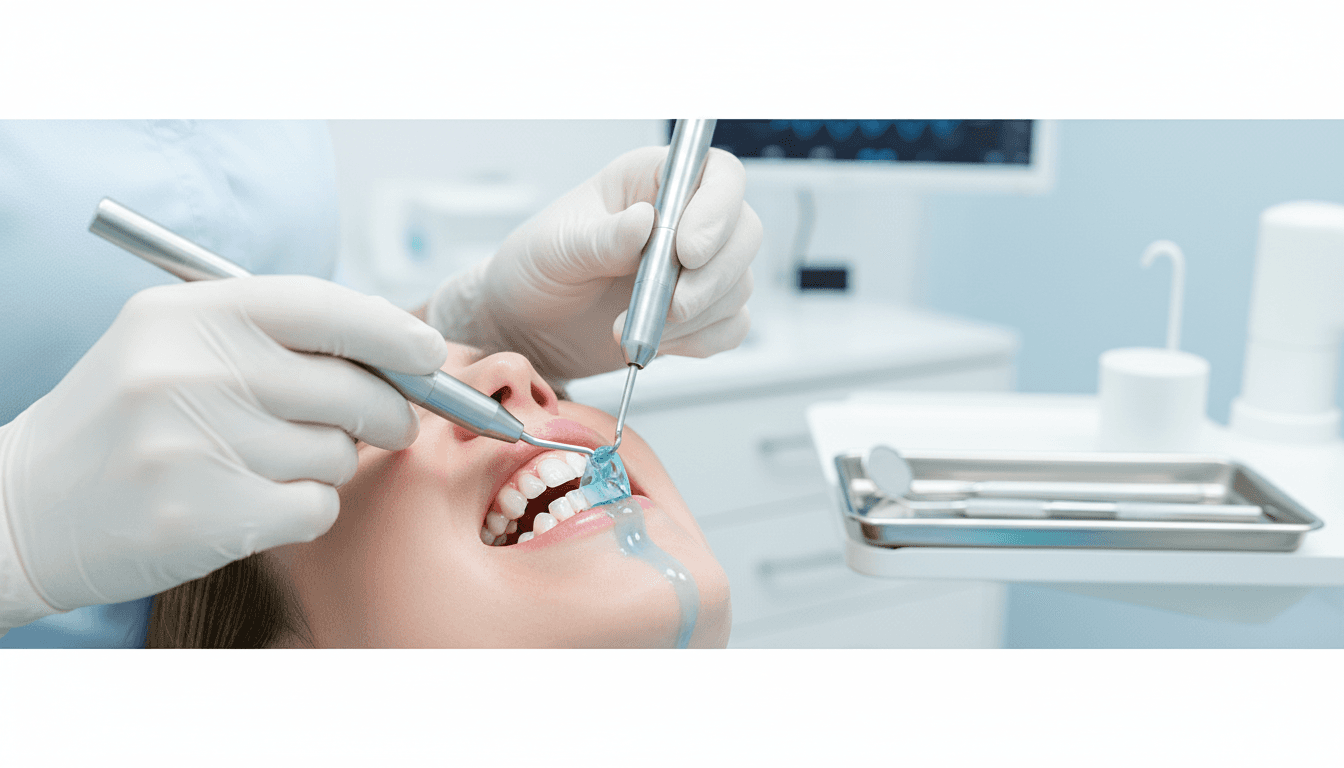
When home care isn't sufficient, your dentist can provide several professional interventions to address sensitivity after filling. Bite adjustment is often the simplest and most immediately effective treatment. Using special articulating paper, your dentist identifies high spots where the filling contacts opposing teeth prematurely and carefully adjusts these areas. This minor modification often provides instant relief.
Desensitizing agents applied professionally offer stronger relief than over-the-counter products. Your dentist can apply concentrated fluoride varnish, bonding agents, or specialized desensitizing solutions directly to the sensitive areas. These create a protective layer over exposed tubules and strengthen the tooth surface. Multiple applications may be recommended for optimal results.
Laser therapy is an advanced option some practices offer for treating sensitivity. Dental lasers can seal exposed tubules, stimulate healing, and reduce nerve hypersensitivity. This pain-free treatment often provides rapid improvement and can be repeated if necessary.
If your sensitivity stems from an imperfect seal around the filling, your dentist might recommend filling replacement. While this seems counterintuitive, a properly sealed restoration eliminates the pathway for irritants to reach sensitive structures. Modern materials and techniques typically result in significantly less sensitivity when the procedure is performed correctly.
For persistent sensitivity despite conservative treatments, root canal therapy may ultimately be necessary. While this sounds extreme, it effectively and permanently eliminates sensitivity by removing the inflamed pulp tissue. After root canal treatment, the tooth requires a crown for protection but functions normally without any sensitivity.
Preventing Future Sensitivity with Proper Dental Care
Maintaining excellent oral hygiene reduces your risk of cavities requiring fillings in the first place. Brush twice daily with fluoride toothpaste, floss once daily, and attend regular dental cleaning procedure appointments to remove plaque and tartar before they cause decay. Professional cleanings also allow your dentist to detect small cavities early when treatment is simpler and less likely to cause sensitivity.If you're interested in cosmetic procedures like [Teeth Whitening treatment](https://www.appointpanda.com/blog/best-teeth-whitening-treatments-recommended-by-dentists), discuss timing with your dentist. Whitening products can increase sensitivity, so it's best to avoid these treatments immediately before or after restorative work. Allow your teeth to fully recover from filling placement before pursuing whitening to minimize cumulative sensitivity.Consider fluoride treatments during your regular checkups if you're prone to sensitivity or cavities. Professional fluoride applications strengthen enamel, reduce sensitivity, and provide additional protection against decay. These treatments are quick, painless, and highly effective for patients with sensitivity issues.Address any teeth grinding or clenching habits, as these place excessive force on teeth and can worsen sensitivity around fillings. Your dentist can fabricate a custom nightguard to protect your teeth during sleep. Managing grinding also extends the lifespan of your fillings and prevents fractures that would require additional treatment.
Frequently Asked Questions
Dr. Allen V
Dental health content specialist at AppointPanda, dedicated to helping patients make informed decisions about their dental care through comprehensive, accurate information.
Get More Dental Tips
Subscribe to get weekly articles delivered to your inbox