Understanding Cosmetic Dentistry and Its Impact on Your Smile
Dr. Liza Day
Dental Health Expert
Featured image for: Understanding Cosmetic Dentistry and Its Impact on Your Smile
Cosmetic dentistry focuses on enhancing the appearance of teeth and gums through procedures like whitening, veneers, and bonding. This article explains the range of treatments, their benefits, potential risks, and key considerations for making informed decisions about a smile makeover.
Cosmetic dentistry refers to dental procedures that focus primarily on improving the appearance of the teeth, gums, and overall smile. While traditional dentistry aims to preserve health and function, cosmetic dentistry adds an aesthetic dimension, helping people feel more confident about how they look.
Many people search for information about cosmetic dentistry because they notice discoloration, misalignment, or other visual concerns that affect self‑esteem. Misunderstanding the scope, benefits, or limitations of these treatments can lead to unrealistic expectations or delayed care for underlying oral health issues.
What Is Cosmetic Dentistry?
Cosmetic dentistry encompasses a range of treatments designed to enhance the visual aspects of the mouth. Unlike restorative procedures that primarily address decay, infection, or structural damage, cosmetic work is elective and focuses on color, shape, size, and alignment. The field blends artistic judgment with clinical skill, often requiring a detailed assessment of a patient’s facial features, dental proportions, and personal goals.
Because the primary aim is aesthetic, cosmetic dentists must balance beauty with function. A well‑planned smile makeover should not compromise bite stability, gum health, or the long‑term durability of the teeth.
Common Cosmetic Procedures and Their Intended Effects
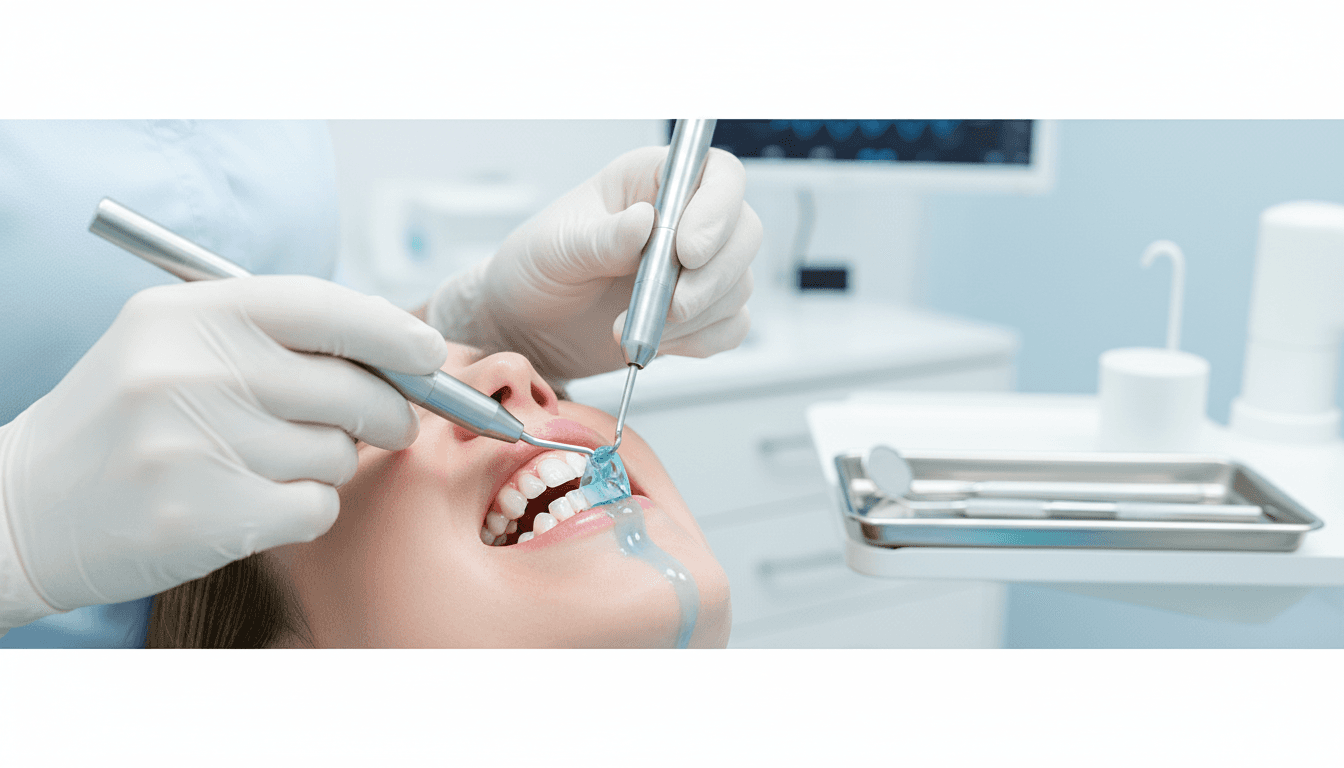
- Teeth whitening – Uses peroxide‑based agents to lighten intrinsic or extrinsic stains, offering a quick improvement in brightness.
- Dental veneers – Thin porcelain or composite shells bonded to the front surface of teeth to mask discoloration, chips, or gaps.
- Dental bonding – Application of a tooth‑colored composite resin to repair minor chips, close small gaps, or reshape a tooth.
- Crowns and bridges – Full‑coverage restorations that can also be crafted for a more uniform appearance when a tooth is heavily damaged.
- Orthodontic alternatives – Clear aligners or lingual braces that gradually move teeth without the visual presence of traditional metal brackets.
- Gum contouring (gingivectomy) – Reshapes excess gum tissue to reveal more tooth structure, often used in “gummy” smiles.
- Dental implants – While primarily restorative, implants can be selected for their ability to restore a natural look after tooth loss.
Each option has specific indications, benefits, and limitations. The choice depends on the condition of the existing teeth, the desired outcome, and the patient’s lifestyle.
How Cosmetic Dentistry Can Influence Oral Health
Improving the visual appeal of a smile often has indirect health benefits. When a person feels more confident, they may be more motivated to maintain oral hygiene, attend regular dental visits, and avoid habits that stain or damage teeth. Some cosmetic procedures, such as bonding or veneers, can also protect vulnerable tooth surfaces from further wear.
However, cosmetic work does not replace preventive care. Regular brushing, flossing, and professional cleanings remain essential. In some cases, a cosmetic procedure may reveal hidden decay or structural problems that require treatment before aesthetic work can proceed safely.
Key Considerations Before Starting a Cosmetic Treatment
- Overall oral health – Untreated decay, gum disease, or bite problems should be addressed first.
- Realistic expectations – Understanding what a procedure can and cannot achieve helps avoid disappointment.
- Longevity and maintenance – Many cosmetic results require periodic touch‑ups, such as repeat whitening or veneer replacement.
- Age and dental development – Younger patients may still be experiencing jaw growth, which can affect long‑term stability of certain treatments.
- Lifestyle factors – Smoking, frequent coffee or tea consumption, and certain medications can influence the durability of cosmetic work.
Discussing these factors with a qualified professional enables a treatment plan that aligns with both aesthetic goals and oral health priorities.
Potential Risks, Limitations, and Common Myths
All dental procedures carry some degree of risk. Possible side effects of cosmetic treatments include temporary tooth sensitivity, gum irritation, or, in rare cases, damage to enamel if procedures are performed improperly. Veneers and bonding may require removal of a thin layer of natural tooth structure, which is irreversible.
Common myths often circulate online. For example, many believe that teeth whitening can cause permanent damage to enamel; in reality, when performed according to professional guidelines, whitening agents are generally safe, though over‑use can increase sensitivity. Another misconception is that a perfect smile can be achieved without any maintenance; most cosmetic results need regular care to stay vibrant.
Choosing a Qualified Provider and What to Expect
Because cosmetic dentistry blends technical skill with artistic judgment, selecting a practitioner with appropriate training is essential. Look for dentists who have completed additional education in aesthetic dentistry, hold relevant certifications, and maintain a portfolio of before‑and‑after cases.
During an initial consultation, the dentist should conduct a comprehensive oral examination, discuss medical history, and outline realistic outcomes. A treatment plan will typically include visual simulations, a timeline, and an overview of any necessary preparatory work. Informed consent is a key part of the process, ensuring the patient understands potential benefits, risks, and costs.
Frequently Asked Questions
- Is cosmetic dentistry covered by dental insurance? Most insurance plans focus on medically necessary procedures. Cosmetic work is generally considered elective, so coverage is limited, though some plans may partially reimburse for related restorative components.
- How long do veneers last? Porcelain veneers often last 10‑15 years with proper care, while composite veneers may require replacement sooner, typically within 5‑7 years.
- Can I whiten my teeth if I have dental crowns? Traditional whitening agents affect natural tooth structure but do not change the color of existing crowns or veneers. In such cases, a dentist may recommend replacing the restorations to match the newly whitened teeth.
- Are there age limits for cosmetic dentistry? While there is no strict age cutoff, younger patients should have fully developed teeth and jaws before undergoing permanent procedures like veneers. Adolescents may benefit more from orthodontic options.
- What should I do if I experience sensitivity after a cosmetic procedure? Sensitivity often diminishes within a few days to weeks. Using desensitizing toothpaste and avoiding extremely hot or cold foods can help. Persistent discomfort should be evaluated by a dentist.
Conclusion
Cosmetic dentistry offers a range of options for enhancing the visual appeal of a smile, from simple whitening to more extensive restorations. Understanding the purpose, benefits, and limitations of each treatment helps individuals make informed decisions that support both aesthetics and oral health. Consulting a qualified dental professional remains the safest way to determine which procedures, if any, align with personal goals and overall dental well‑being.
Dr. Liza Day
Dental health content specialist at AppointPanda, dedicated to helping patients make informed decisions about their dental care through comprehensive, accurate information.
Get More Dental Tips
Subscribe to get weekly articles delivered to your inbox