The Benefits of Regular Teeth Cleaning for Adults
Dr. Liza Day
Dental Health Expert
Featured image for: The Benefits of Regular Teeth Cleaning for Adults
Regular professional teeth cleaning does more than keep a bright smile; it protects gums, prevents disease, and supports overall health. Ignoring this preventive step can lead to serious oral and systemic consequences for adults.
When we talk about dental health, most people picture brushing twice a day and flossing once a day. While those habits are essential, they are only part of a larger picture. Regular professional teeth cleaning—often called prophylaxis—adds a level of care that at‑home routines simply cannot achieve.
Why does this matter? Because the mouth is a gateway to the body. Plaque that builds up despite daily brushing can harden into tartar, irritate gums, and eventually become a breeding ground for infection. Ignoring professional cleaning can set off a cascade of problems that affect not only your smile but also your heart, diabetes control, and overall quality of life.
Table of Contents
Definition / Overview Biological or Mechanical Explanation Why It Matters Health Consequences of Skipping Cleanings Benefits of Regular Cleanings Comparison vs At‑Home Care Alternatives Impact Across Different Age Groups Economic and Cost Considerations Psychological and Lifestyle Factors Preventive and Maintenance Recommendations Common Myths and Misconceptions Frequently Asked Questions Conclusion / Summary
Definition / Overview
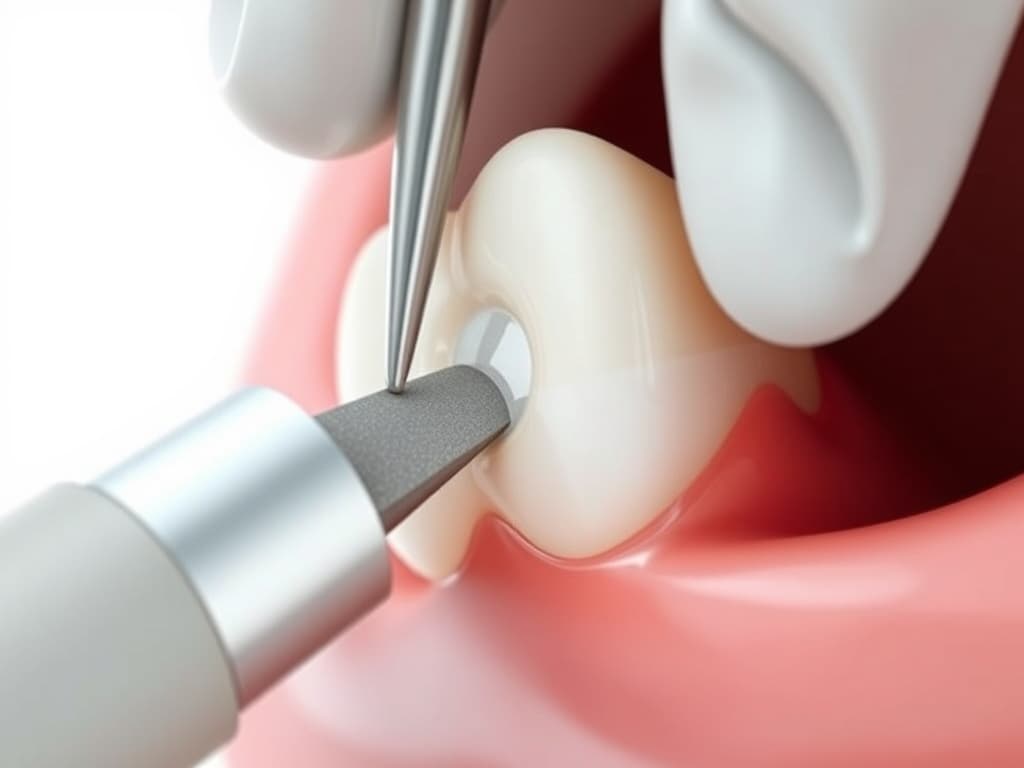
Professional teeth cleaning is a preventive dental service performed by a dental hygienist or dentist. It typically involves scaling—removing plaque and tartar from tooth surfaces and below the gum line—and polishing, which smooths the enamel to make future plaque accumulation more difficult. The procedure is non‑invasive, painless for most patients, and usually takes less than an hour.
Unlike casual brushing, which targets the visible surfaces of teeth, a professional cleaning reaches the hidden crevices between teeth and along the gum margin where a toothbrush cannot effectively clean. This comprehensive approach creates a cleaner oral environment that supports the body’s natural defenses.
Biological or Mechanical Explanation
To understand how cleaning works, consider the biology of plaque. Plaque is a sticky biofilm composed of bacteria, food particles, and saliva proteins. When left undisturbed, the bacteria metabolize sugars and release acids that demineralize enamel, leading to cavities. Over time, minerals in the saliva bind to the plaque, turning it into a hard deposit called calculus or tartar.
Scaling uses specialized hand instruments or ultrasonic devices that vibrate at high frequencies. These vibrations break the bond between tartar and the tooth surface, allowing the hygienist to gently lift it away. Polishing then employs a low‑abrasion paste and a rubber cup to smooth the enamel, reducing the surface roughness that attracts new plaque.
Why It Matters
The primary reason regular cleaning matters is that it interrupts the cycle of plaque accumulation before it can cause irreversible damage. By removing tartar, the cleaning process eliminates a reservoir of bacteria that would otherwise continually release harmful by‑products.
Beyond the immediate oral benefits, a clean mouth reduces systemic inflammation. Research consistently shows a link between chronic gum inflammation and conditions such as cardiovascular disease, rheumatoid arthritis, and adverse pregnancy outcomes. Regular cleaning is therefore a modest but meaningful step toward protecting overall health.
Health Consequences of Skipping Cleanings
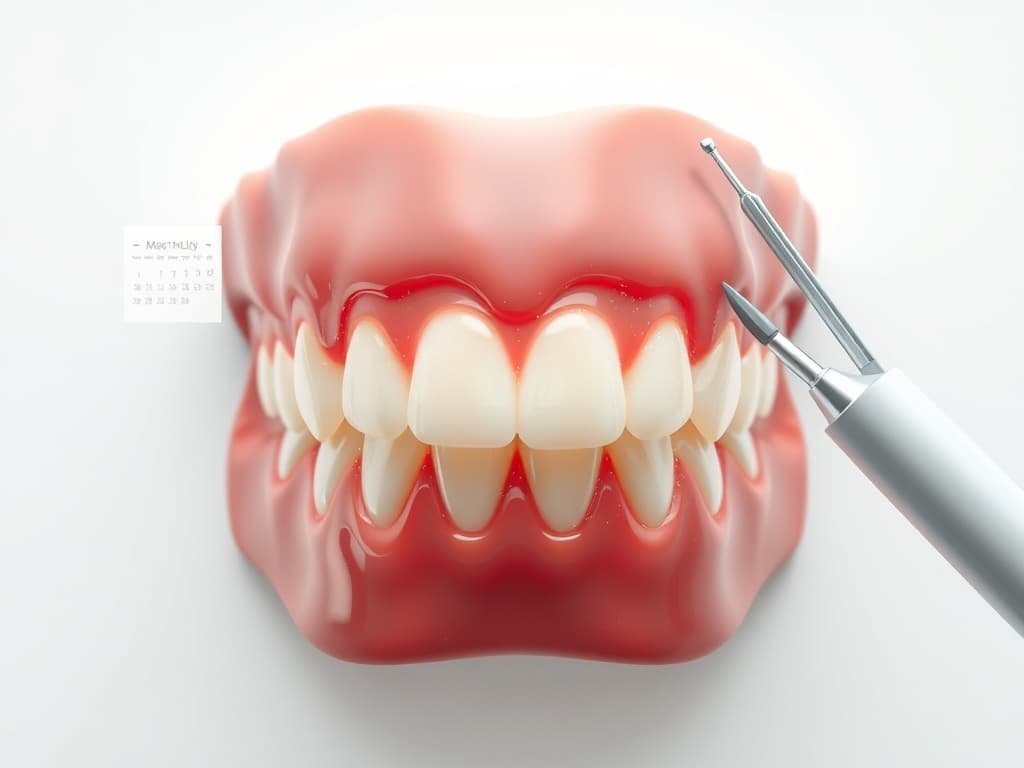
If an adult foregoes professional cleaning for an extended period, plaque continues to build, eventually hardening into tartar. The presence of tartar near the gum line creates a rough surface that irritates the gingiva, leading to gingivitis—the earliest stage of gum disease. Gingivitis is characterized by redness, swelling, and bleeding during brushing.
When untreated, gingivitis can progress to periodontitis, a more severe infection that destroys the supporting bone and connective tissue. This can result in tooth mobility, tooth loss, and the need for extensive periodontal therapy. Moreover, the chronic inflammatory state associated with periodontitis can exacerbate systemic conditions, making disease management more difficult.
Benefits of Regular Cleanings
Short‑term benefits are immediately noticeable. Patients often report fresher breath, a smoother tongue, and a brighter smile after a cleaning. The removal of tartar also makes it easier to see and remove plaque at home, enhancing the effectiveness of daily brushing and flossing.
Long‑term advantages extend far beyond aesthetics. Consistent removal of bacterial biofilm lowers the risk of cavities, reduces the likelihood of gum disease, and helps maintain stable bone levels around teeth. Over a lifetime, these effects translate into fewer restorative procedures, less need for complex periodontal surgery, and a lower probability of tooth loss.
Comparison vs At‑Home Care Alternatives
At‑home care—brushing with fluoride toothpaste, flossing, and using interdental brushes—forms the foundation of oral hygiene. However, these methods are limited by reach, technique, and patient compliance. Even the most diligent home routine cannot fully eradicate plaque that has calcified into tartar.
Professional cleaning complements home care by addressing the gaps left behind. Think of it as a partnership: daily habits prevent new plaque from forming, while periodic cleanings eliminate the hardened deposits that home tools cannot reach. Together, they create a synergistic effect that maximizes oral health.
Impact Across Different Age Groups
Young adults (20‑35) often experience rapid plaque buildup due to lifestyle factors such as diet, stress, and irregular dental visits. Regular cleanings at this stage set a preventive baseline that can stave off early gum inflammation and cavities.
Middle‑aged adults (36‑55) may begin to see the first signs of gum recession or early bone loss. Professional cleanings become crucial for early detection and management, helping to preserve natural teeth as they age.
Older adults (56 and beyond) face increased risk of dry mouth, medication‑related gum changes, and systemic health issues that can amplify oral disease. Cleanings not only manage existing problems but also provide a vital monitoring point for conditions that could otherwise go unnoticed.
Economic and Cost Considerations
While a single cleaning appointment involves an out‑of‑pocket expense or insurance co‑pay, the financial picture improves when viewed over a lifetime. Preventing a cavity avoids the cost of a filling, and averting gum disease sidesteps expensive periodontal surgery or tooth replacement options such as implants.
Many dental plans cover prophylaxis at regular intervals precisely because insurers recognize the long‑term cost savings. From a practical standpoint, investing in routine cleanings is akin to routine vehicle maintenance: a modest, predictable expense that prevents far larger, unexpected repairs.
Psychological and Lifestyle Factors
A clean mouth influences confidence and social interaction. Fresh breath and a bright smile can reduce self‑consciousness, encouraging individuals to engage more fully in personal and professional settings. Conversely, chronic bad breath or visible plaque can lead to social withdrawal and reduced quality of life.
Regular appointments also establish a habit of proactive health management. When adults prioritize dental cleanings, they are often more likely to adopt other preventive health behaviors, creating a positive feedback loop for overall well‑being.
Preventive and Maintenance Recommendations
Current dental guidelines suggest that most adults benefit from professional cleaning every six months. However, the exact interval may vary based on individual risk factors such as smoking, diabetes, a history of gum disease, or a high‑sugar diet. Your dentist can tailor a schedule that matches your personal risk profile.
Between visits, maintaining diligent oral hygiene—brushing twice daily with fluoride toothpaste, flossing daily, and using an antimicrobial mouth rinse if recommended—maximizes the longevity of each professional cleaning. Some patients also find adjunctive tools like water flossers helpful for reaching difficult areas.
Common Myths and Misconceptions
Myth 1: "If I brush well, I don’t need professional cleanings." The reality is that brushing cannot remove tartar, which forms below the gum line and on hard‑to‑reach surfaces.
Myth 2: "Teeth cleaning is painful and should be avoided." Modern techniques, especially ultrasonic scaling, are designed to be comfortable. Any discomfort is usually mild and temporary.
Myth 3: "Only people with cavities need cleanings." Even cavity‑free individuals accumulate plaque and benefit from the preventive removal of bacterial biofilm.
Frequently Asked Questions
Q: How often should an adult schedule a professional cleaning?
A: Most adults do well with a six‑month interval, but those with higher risk factors may be advised to come more frequently, while low‑risk individuals might extend to twelve months.
Q: Will cleaning damage my enamel?
A: No. The polishing paste is low‑abrasion and is intended to smooth, not erode, enamel. The process actually helps protect enamel by removing plaque that can cause acid erosion.
Q: Can I get a cleaning if I have sensitive teeth?
A: Yes. Hygienists can adjust techniques and use desensitizing agents to ensure comfort while still achieving thorough plaque removal.
Q: Are there any risks associated with regular cleanings?
A: The procedure is considered safe for the vast majority of patients. Rarely, individuals with certain medical conditions may need special precautions, which your dentist will discuss beforehand.
Q: Do cleanings help with bad breath?
A: Absolutely. By removing the bacterial buildup that produces volatile sulfur compounds, professional cleaning often results in noticeably fresher breath.
Conclusion / Summary
Regular professional teeth cleaning is a cornerstone of adult oral health. It goes beyond surface polishing; it removes hidden tartar, reduces bacterial load, and interrupts the cascade that leads to cavities, gum disease, and systemic inflammation. The benefits are immediate—cleaner breath and a brighter smile—and long‑term, including reduced risk of tooth loss and lower overall healthcare costs.
When combined with diligent at‑home care, scheduled cleanings empower adults to maintain a healthy mouth throughout life, supporting confidence, comfort, and overall well‑being. If you haven’t booked a cleaning in the past year, consider it an essential appointment for both your smile and your health.
Dr. Liza Day
Dental health content specialist at AppointPanda, dedicated to helping patients make informed decisions about their dental care through comprehensive, accurate information.
Get More Dental Tips
Subscribe to get weekly articles delivered to your inbox