Dental Cleaning vs Deep Cleaning: Understanding the Key Differences
Dr. Liza Day
Dental Health Expert

Featured image for: Dental Cleaning vs Deep Cleaning: Understanding the Key Differences
Discover how routine dental cleaning differs from deep cleaning, why each matters for oral health, the risks of neglect, and practical tips for maintaining a healthy smile.
When you sit in the dentist’s chair for a cleaning, you might hear terms like “regular cleaning” or “deep cleaning.” Both sound like they involve polishing teeth, but they serve very different purposes. A routine dental cleaning, often called prophylaxis, is designed to keep a healthy mouth clean and prevent disease. A deep cleaning, which includes scaling and root planing, is a therapeutic procedure aimed at treating existing gum disease.
Why does this matter? Ignoring the distinction can lead to missed appointments, unnecessary costs, or worse—allowing gum disease to progress silently. Over time, untreated periodontal problems can affect not only your smile but also your overall health, potentially contributing to heart disease, diabetes complications, and bone loss. Understanding when each type of cleaning is appropriate helps you protect your teeth, gums, and long‑term wellbeing.
Table of Contents
Definition / Overview
Biological or Mechanical Explanation
Why It Matters
Health Consequences
Benefits
Comparison vs Alternatives
Impact Across Different Age Groups or Cases
Economic / Cost Considerations
Psychological / Lifestyle Factors
Preventive / Maintenance Considerations
Common Myths or Misconceptions
Frequently Asked Questions
Conclusion / Summary
Definition / Overview
A routine dental cleaning, also known as prophylaxis, is a preventive service performed on patients who have healthy gums or only mild inflammation. The dental hygienist removes plaque and tartar from the visible surfaces of the teeth, polishes the enamel, and may apply fluoride. The goal is to stop disease before it starts.
Deep cleaning, medically termed scaling and root planing, is a more intensive, therapeutic procedure. It targets the areas below the gum line where plaque and tartar have hardened into calculus and where the gum tissue has begun to detach from the tooth (pockets). The clinician removes this buildup (scaling) and smooths the root surfaces (root planing) to allow the gums to reattach and heal.
Biological or Mechanical Explanation
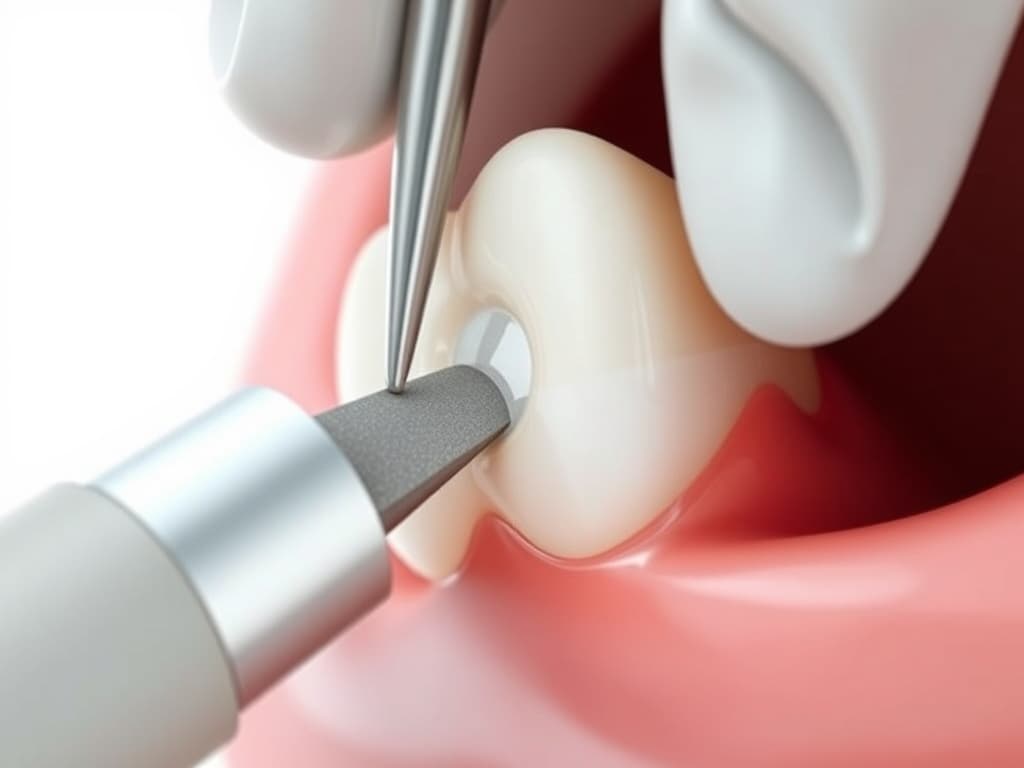
Both cleaning methods rely on mechanical disruption of bacterial biofilm. In a routine cleaning, the hygienist uses ultrasonic scalers and hand instruments to gently scrape plaque from the crown of the tooth. The process also includes polishing with a low‑abrasive paste, which helps smooth the enamel and makes future plaque accumulation harder.
Deep cleaning goes beyond the crown. When gum disease progresses, the junction between tooth and gum forms pockets that can be several millimeters deep. Bacteria thrive in these protected spaces, producing toxins that erode the supporting bone. Scaling removes calculus from within the pockets, while root planing smooths the exposed dentin, reducing bacterial adherence and encouraging the tissue to re‑seal around the tooth.
Why It Matters
Understanding the distinction matters because each procedure addresses a different stage of oral health. Routine cleaning is a cornerstone of prevention; it keeps plaque from hardening and reduces the risk of cavities and gum inflammation. Deep cleaning, on the other hand, is a response to an already established problem. It aims to halt disease progression, preserve the tooth, and restore gum health.
If a patient with early gum disease receives only a routine cleaning, the underlying infection may continue unchecked, leading to deeper pockets, bone loss, and eventually tooth loss. Conversely, performing a deep cleaning on a healthy mouth is unnecessary, more invasive, and can increase discomfort and cost without added benefit.
Health Consequences
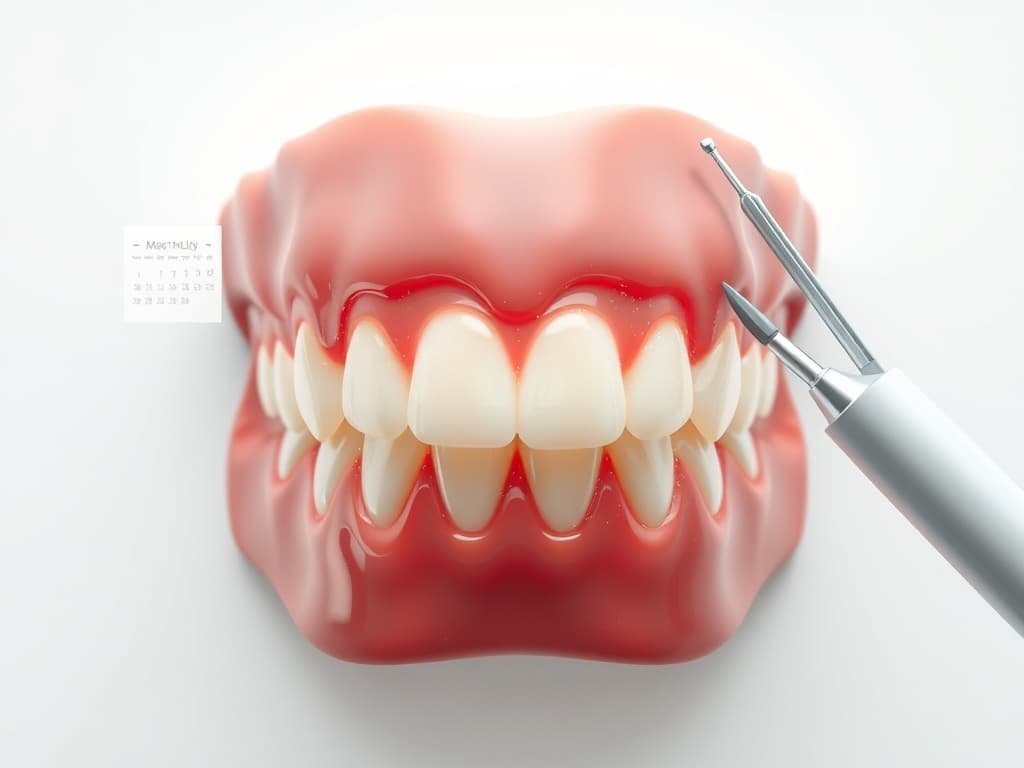
Neglecting routine cleanings can allow plaque to mineralize into tartar, which harbors bacteria that irritate the gums. Over months, this irritation can develop into gingivitis, characterized by redness, swelling, and bleeding. While gingivitis is reversible, if left untreated it can progress to periodontitis—a chronic inflammatory condition that destroys the bone and connective tissue supporting the teeth.
Periodontitis is linked to systemic health issues. Research suggests associations with cardiovascular disease, adverse pregnancy outcomes, and poorer glycemic control in diabetes. Deep cleaning can interrupt this cascade by removing the bacterial load and allowing the gums to heal, but it does not guarantee reversal of systemic effects if the underlying disease is advanced.
Benefits
Routine dental cleaning offers several clear benefits: removal of plaque and tartar, reduction of cavity risk, fresher breath, and early detection of problems through visual inspection. It also reinforces good oral hygiene habits by providing professional feedback.
Deep cleaning provides therapeutic benefits: it reduces pocket depth, lowers inflammation, stabilizes bone loss, and can prevent tooth loss. Patients often notice reduced bleeding, less gum sensitivity, and an overall improvement in oral comfort after a series of appointments.
Comparison vs Alternatives
Both procedures can be performed with ultrasonic devices, hand scalers, and polishing tools, but the intensity and focus differ. Alternatives to routine cleaning include at‑home brushing, flossing, and the use of antimicrobial mouth rinses. While diligent home care is essential, it cannot replace professional removal of hardened calculus.
Alternatives to deep cleaning include surgical periodontal therapy (flap surgery) for severe cases, laser therapy, or adjunctive antimicrobial treatments. However, scaling and root planing remain the first line of non‑surgical treatment because they directly address the root cause—bacterial biofilm in the pockets.
Impact Across Different Age Groups or Cases
Children and adolescents typically require only routine cleanings, as they are less likely to develop advanced gum disease. However, orthodontic appliances can trap plaque, making diligent cleaning crucial.
Adults, especially those over 30, are more prone to gingivitis and early periodontitis, often needing a combination of routine and occasional deep cleaning. Seniors may experience bone loss and recession, making deep cleaning more common, but they also need careful assessment to avoid over‑aggressive treatment on fragile tissues.
Economic / Cost Considerations
Routine cleanings are generally covered by preventive dental benefits and involve a modest co‑pay. They are considered an investment in long‑term oral health, often reducing the need for more expensive restorative work later.
Deep cleaning is typically billed as a series of appointments, each with a higher fee due to the increased time, specialized instrumentation, and the need for local anesthesia in many cases. While the upfront cost is higher, it can prevent costly procedures such as tooth extraction, implant placement, or extensive periodontal surgery.
Psychological / Lifestyle Factors
Many people experience anxiety about dental visits, especially when invasive procedures are involved. Understanding that a routine cleaning is painless and preventive can reduce fear and encourage regular attendance.
Deep cleaning can provoke apprehension because it may involve discomfort, longer chair time, and a perception of “treatment” rather than “prevention.” Clear communication from the dental team about what to expect, pain management options, and the benefits of preserving natural teeth can help patients feel more in control.
Preventive / Maintenance Considerations
After a routine cleaning, the best preventive strategy is consistent home care: brushing twice daily with fluoride toothpaste, flossing or using interdental cleaners, and limiting sugary snacks. Regular dental check‑ups every six months help catch early signs of disease.
Following a deep cleaning, additional maintenance is crucial. Patients may be advised to use a soft‑bristled toothbrush, an antimicrobial mouth rinse, and possibly a prescription toothpaste. More frequent professional cleanings (often every three to four months) may be recommended until the gums stabilize.
Common Myths or Misconceptions
Myth 1: “If my teeth look clean, I don’t need a professional cleaning.” In reality, visual inspection cannot reveal sub‑gingival calculus or early bone loss. Only a dental professional can detect these hidden issues.
Myth 2: “Deep cleaning is the same as a regular cleaning, just more thorough.” Deep cleaning is a therapeutic intervention targeting disease, not merely a more thorough version of prophylaxis. It involves different techniques and goals.
Myth 3: “You can avoid deep cleaning by brushing harder.” Aggressive brushing can damage enamel and gums without removing sub‑gingival calculus. Proper technique and professional care are essential.
Frequently Asked Questions
Q: How do I know if I need a deep cleaning?
A: Your dentist will assess gum health using a probe to measure pocket depths. Pockets deeper than 4 mm often indicate the need for scaling and root planing.
Q: Is deep cleaning painful?
A: Some discomfort is normal, especially during scaling. Local anesthesia or a mild sedative can be used to ensure comfort.
Q: Can I have a deep cleaning done in one visit?
A: Depending on the severity, the procedure is usually divided into multiple sessions to allow tissue healing and to manage patient comfort.
Q: Will a deep cleaning cure gum disease?
A: It can halt progression and promote healing, but long‑term success depends on diligent home care and regular follow‑up.
Q: Do I need special after‑care?
A: Your dentist may recommend a softer diet for a few days, gentle brushing, and possibly an antimicrobial rinse to support healing.
Conclusion / Summary
Routine dental cleaning and deep cleaning serve distinct, complementary roles in oral health. Prophylaxis keeps a healthy mouth clean, preventing disease, while scaling and root planing intervene when gum disease has taken hold. Recognizing the signs that warrant a deep cleaning—such as bleeding gums, persistent bad breath, or measured pocket depths—allows you to seek timely treatment and avoid serious complications.
By maintaining regular dental visits, practicing thorough home hygiene, and understanding the purpose of each cleaning type, you empower yourself to protect not only your smile but also your overall health. When in doubt, consult your dental professional; they can tailor a care plan that matches your unique needs and helps you keep your teeth and gums thriving for years to come.
Dr. Liza Day
Dental health content specialist at AppointPanda, dedicated to helping patients make informed decisions about their dental care through comprehensive, accurate information.
Get More Dental Tips
Subscribe to get weekly articles delivered to your inbox