How Professional Dental Cleaning Prevents Cavities
Dr. Liza Day
Dental Health Expert
Featured image for: How Professional Dental Cleaning Prevents Cavities
Regular professional dental cleaning removes hidden plaque and disrupts the decay process, dramatically lowering the risk of cavities. Ignoring these cleanings can lead to silent damage, higher treatment costs, and long‑term oral health problems.
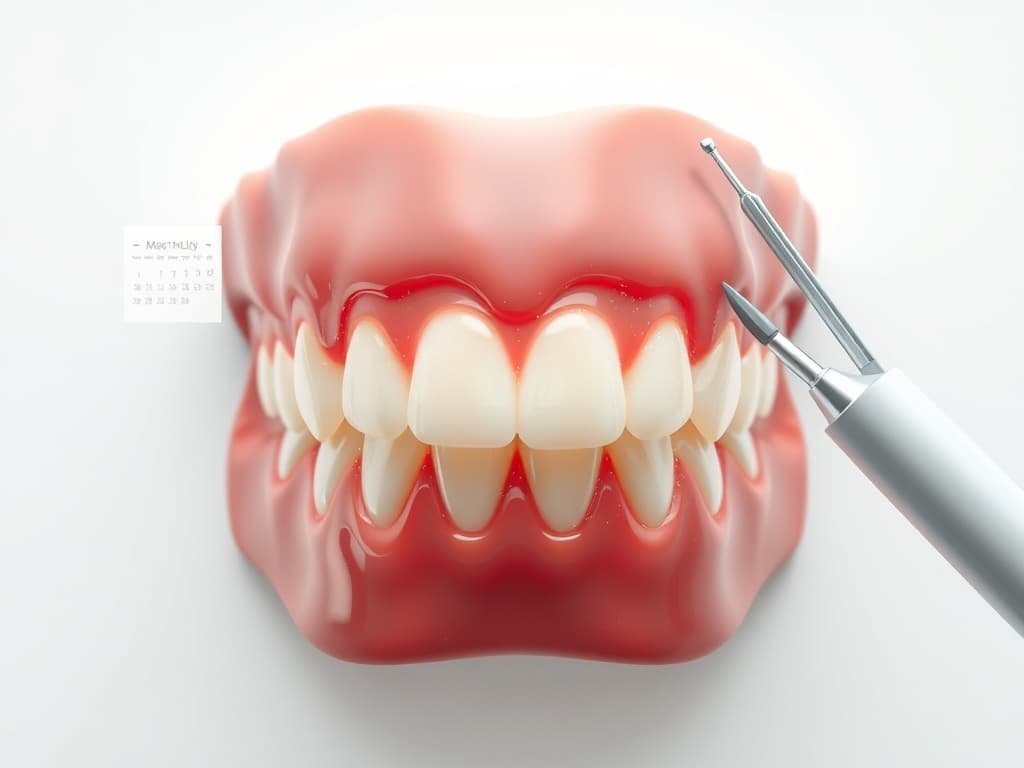
When you hear the phrase “dental cleaning,” you might picture a quick polishing of teeth at the dentist’s office. In reality, a professional cleaning is a targeted, evidence‑based procedure that removes the invisible buildup of plaque and tartar that daily brushing often misses. By eliminating these bacterial reservoirs, cleaning directly attacks the root cause of cavities before decay can begin.
Why does this matter? Cavities are not just a cosmetic nuisance; they can progress to painful infections, affect nutrition, and even impact overall health. Skipping regular cleanings lets plaque mature, acid levels rise, and enamel erode—consequences that become harder and more expensive to reverse over time.
Table of Contents
- Definition / Overview of Dental Cleaning
- The Science Behind Cavities: Plaque, Bacteria, and Acid
- How Dental Cleaning Interrupts the Cavity Process
- Why Regular Cleanings Matter for Cavity Prevention
- Health Consequences of Ignoring Dental Cleanings
- Benefits Beyond Cavity Prevention
- Dental Cleaning vs At‑Home Oral Care
- Age‑Related Considerations: Children, Adults, Seniors
- Economic Perspective: Cost of Cleanings vs Cavity Treatment
- Psychological and Lifestyle Impacts
- Maintaining Results: Home Care and Follow‑Up
- Common Myths About Dental Cleanings
- Frequently Asked Questions
- Conclusion / Summary
Definition / Overview of Dental Cleaning
A professional dental cleaning, often called prophylaxis, is a systematic removal of plaque, calculus (hardened plaque), and surface stains from the teeth and gum line. The procedure typically involves three steps: scaling to eliminate calculus, polishing to smooth the enamel surface, and flossing or interproximal cleaning to address hidden debris between teeth. While a routine at‑home brush‑floss routine tackles the visible surfaces, a dental cleaning reaches the microscopic crevices where bacteria thrive.
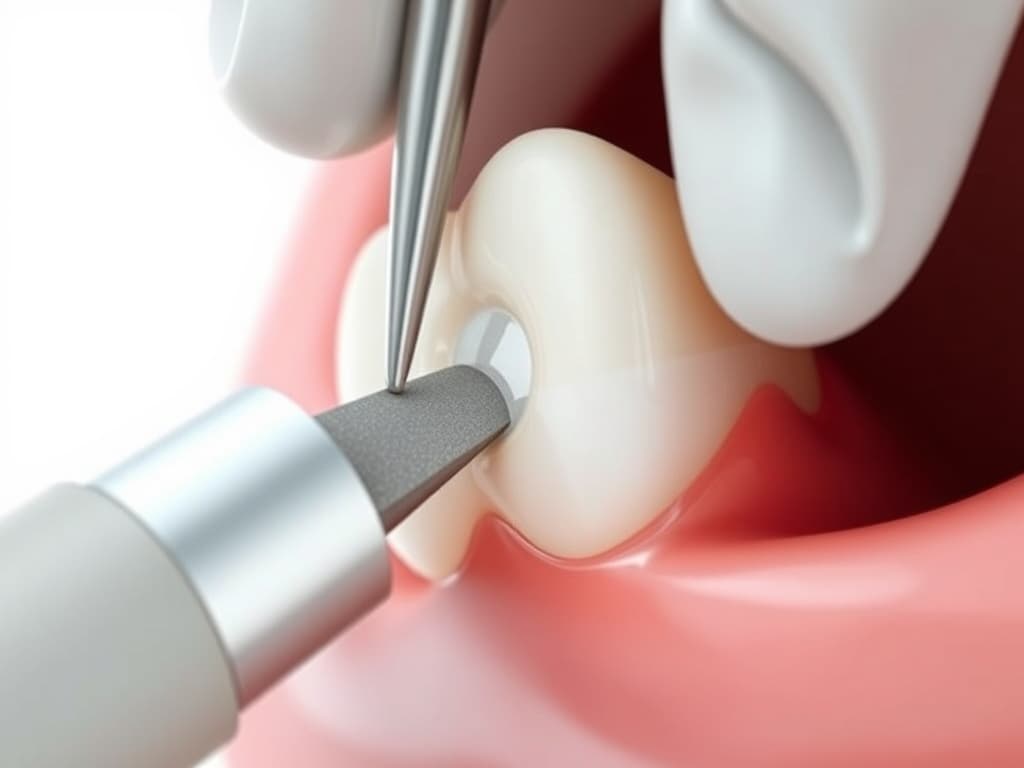
Dental hygienists perform the cleaning using ultrasonic scalers, hand instruments, and low‑abrasion polishing pastes. The process is not merely aesthetic; it is a preventive intervention designed to keep the oral environment hostile to the bacteria that cause decay.
The Science Behind Cavities: Plaque, Bacteria, and Acid
To understand how cleaning prevents cavities, we must first explore the biological cascade that leads to tooth decay. Every mouth hosts a complex biofilm known as dental plaque—a sticky matrix of bacteria, food particles, and saliva. When sugars from the diet contact plaque, certain bacteria metabolize them and produce acids as by‑products.
These acids repeatedly bathe the enamel, gradually demineralizing the hard outer layer of the tooth. If the acid attack persists, microscopic holes—cavities—form. Over time, the decay can extend into deeper dentin and even the pulp, causing pain and infection. The key point is that plaque is the engine of decay, and without its removal, the engine keeps running.
How Dental Cleaning Interrupts the Cavity Process
During a cleaning, scaling removes both soft plaque and hardened calculus that harbors bacterial colonies. By physically eliminating these colonies, the procedure reduces the bacterial load that would otherwise produce acid after each meal. Polishing then smooths the enamel surface, making it more difficult for new plaque to adhere tightly.
Additionally, the flossing step reaches interproximal spaces—areas most prone to hidden plaque buildup. By disrupting the biofilm in these hidden zones, the cleaning creates a “reset” of the oral microbiome, giving beneficial bacteria a chance to repopulate while suppressing the decay‑causing species.
Why Regular Cleanings Matter for Cavity Prevention
Even the most diligent home brushers miss a portion of plaque each day. Studies consistently show that plaque can re‑accumulate within 24 to 48 hours after a cleaning, especially in hard‑to‑reach areas. Scheduling cleanings at six‑month intervals provides a systematic interruption of this cycle, ensuring that plaque never reaches the threshold where acid production becomes harmful.
Regular cleanings also allow dental professionals to identify early signs of demineralization—white spot lesions—that are invisible to the naked eye. Early detection means early intervention, often with simple remineralizing agents, before a full‑blown cavity forms.
Health Consequences of Ignoring Dental Cleanings
When cleanings are skipped, plaque matures into calculus, which is far more difficult to remove without professional tools. The hardened deposits irritate the gum tissue, leading to inflammation (gingivitis) and eventually periodontitis—a condition linked to heart disease, diabetes, and adverse pregnancy outcomes.
From a cavity perspective, unchecked plaque leads to more frequent and larger decay lesions. Each cavity requires restorative treatment, which may involve fillings, crowns, or root canals. These procedures are more invasive, carry higher risk of complications, and can cause anxiety or fear of dental visits, creating a negative feedback loop.
Benefits Beyond Cavity Prevention
While the primary goal of a cleaning is to protect against decay, the procedure delivers several ancillary benefits. Removing surface stains restores a brighter smile, which can boost self‑esteem. The polishing step also reduces plaque adhesion, making daily brushing more effective. Moreover, the tactile feedback a hygienist provides during cleaning often uncovers habits—such as aggressive brushing or tongue thrusting—that patients can correct with professional guidance.
Finally, regular interaction with the dental team fosters a relationship of trust, encouraging patients to seek timely care for any emerging issues, whether they be sensitivity, gum bleeding, or orthodontic concerns.
Dental Cleaning vs At‑Home Oral Care
At‑home care—brushing twice daily with fluoride toothpaste, flossing, and using mouthwash—remains the foundation of oral health. However, these measures work best on surfaces that are easily reachable. Dental cleaning complements home care by addressing the hidden zones and hardened deposits that manual tools cannot safely reach.
Think of home care as daily maintenance, like sweeping the floor, while professional cleaning is the deep‑cleaning service that moves furniture and gets into the corners. Both are essential; relying solely on one leaves gaps that can lead to decay.
Age‑Related Considerations: Children, Adults, Seniors
Children develop their first permanent teeth around age six, and early cleanings teach proper technique while removing early plaque buildup. For adolescents, hormonal changes can increase gum sensitivity, making regular cleanings even more important.
Adults often face lifestyle‑related risks such as coffee staining, dietary sugar, and stress‑related bruxism, all of which can accelerate plaque formation. Seniors may experience receding gums, dry mouth from medications, and slower saliva flow, which reduces the natural protective effect of saliva. Each life stage presents unique risk factors, but the preventive principle of removing plaque remains constant.
Economic Perspective: Cost of Cleanings vs Cavity Treatment
From a financial standpoint, the modest expense of a routine cleaning is generally far lower than the cumulative cost of treating multiple cavities over a lifetime. Restorative work often requires multiple visits, specialized materials, and sometimes advanced procedures like crowns or root canals. Moreover, extensive decay can lead to tooth loss, necessitating prosthetic solutions such as bridges or implants, which represent a significant long‑term investment.
By preventing cavities early, patients not only protect their oral health but also avoid the indirect costs associated with missed work, dietary restrictions, and reduced quality of life that can accompany dental pain.
Psychological and Lifestyle Impacts
Oral health influences confidence, social interaction, and even nutrition. People who fear cavities may avoid certain foods, leading to dietary imbalances. Conversely, a clean, healthy mouth encourages a varied diet, supporting overall wellness.
Psychologically, the reassurance that comes from a recent professional cleaning reduces dental anxiety. Knowing that plaque has been professionally removed gives a sense of control, which can translate into better adherence to daily oral‑care routines.
Maintaining Results: Home Care and Follow‑Up
After a cleaning, the enamel surface is smoother, making plaque less likely to stick. To preserve this benefit, patients should continue brushing with a soft‑bristled toothbrush, use fluoride toothpaste, and floss daily. Interdental brushes or water flossers can be helpful for larger gaps.
Regular follow‑up appointments allow the dental team to monitor any new plaque formation and reinforce personalized oral‑care strategies. Some patients may benefit from topical fluoride applications or sealants, especially in high‑risk areas, to add an extra layer of protection between professional visits.
Common Myths About Dental Cleanings
Myth 1: “If I brush well, I don’t need a cleaning.” Even the best brushing technique cannot reach subgingival areas where calculus forms. Professional tools are required to safely remove these deposits.
Myth 2: “Cleanings are only for removing stains.” While stain removal is a visible benefit, the primary purpose is plaque and calculus removal to prevent disease.
Myth 3: “Cleaning hurts and should be avoided.” Modern techniques use gentle ultrasonic scalers and polished instruments that minimize discomfort. Any soreness is usually temporary and far less severe than the pain of an untreated cavity.
Frequently Asked Questions
How often should I schedule a professional cleaning? Most adults benefit from a cleaning every six months, though higher‑risk individuals may need quarterly visits as advised by their dentist.
Is there any preparation needed before a cleaning? A normal oral‑hygiene routine is sufficient. If you have a cold, flu, or oral infection, let the office know so they can reschedule for safety.
Can a cleaning reverse an existing cavity? No. A cleaning removes plaque and prevents new decay but does not fill or repair existing cavities. Those require restorative treatment.
Will the cleaning damage my enamel? No. The polishing paste is low‑abrasion and designed to smooth, not erode, enamel. Proper technique ensures the tooth surface remains healthy.
What if I’m anxious about the procedure? Communicate your concerns; dental teams can offer numbing gels, breaks, or sedation options to make the experience comfortable.
Conclusion / Summary
Professional dental cleaning is a cornerstone of cavity prevention. By physically removing plaque and calculus, smoothing enamel, and disrupting bacterial colonies, cleanings halt the acid‑driven cycle that leads to decay. Regular appointments, combined with diligent at‑home care, protect not only teeth but also gums, overall health, confidence, and finances.
Neglecting this preventive step allows plaque to mature, increasing the risk of cavities, gum disease, and costly restorative work. Whether you are a child learning good habits, an adult juggling a busy lifestyle, or a senior managing medication‑related dry mouth, the benefits of a routine cleaning remain universal. Schedule your next cleaning, maintain daily oral hygiene, and let your dentist guide you toward a cavity‑free future.
Dr. Liza Day
Dental health content specialist at AppointPanda, dedicated to helping patients make informed decisions about their dental care through comprehensive, accurate information.
Get More Dental Tips
Subscribe to get weekly articles delivered to your inbox