What Happens During a Dental Cleaning Visit: A Complete Guide
Dr. Liza Day
Dental Health Expert

Featured image for: What Happens During a Dental Cleaning Visit: A Complete Guide
Discover the step‑by‑step process of a dental cleaning, why it matters for your oral health, and what could happen if you skip it. This guide explains the procedure, benefits, myths, and answers common questions.
A dental cleaning, often called a prophylaxis, is more than a quick scrape of the teeth. It is a systematic, evidence‑based procedure that removes plaque, tartar, and stains while giving the dental team a chance to assess the health of your mouth. Understanding what actually occurs during the appointment helps you feel more comfortable, sets realistic expectations, and highlights why regular visits are a cornerstone of long‑term oral health.
If you ignore routine cleanings, plaque hardens into tartar, bacteria proliferate, and gum disease can silently progress. Over time, untreated gum inflammation can lead to bone loss, tooth mobility, and even systemic effects such as increased cardiovascular risk. In short, skipping a cleaning doesn’t just affect your smile—it can influence overall well‑being.
Table of Contents
Definition / Overview
Biological or Mechanical Explanation
Why It Matters
Health Consequences of Skipping Cleanings
Benefits of a Professional Cleaning
Comparison vs Alternatives
Impact Across Different Age Groups or Cases
Economic / Cost Considerations
Psychological / Lifestyle Factors
Preventive / Maintenance Considerations
Common Myths or Misconceptions
Frequently Asked Questions
Conclusion / Summary
Definition / Overview
A dental cleaning is a preventive procedure performed by a dental hygienist or dentist to remove accumulated dental plaque and calculus (tartar) from the tooth surfaces and along the gum line. The appointment typically lasts between 30 and 60 minutes, depending on the amount of buildup and the individual’s oral condition. While the primary goal is mechanical removal of debris, the visit also includes a visual examination for early signs of decay, gum disease, or other abnormalities.
The term “prophylaxis” comes from the Greek word meaning “to guard against.” In dentistry, it signifies a protective measure that helps maintain the natural balance of the oral ecosystem, keeping harmful bacteria in check and preserving the integrity of both hard (teeth) and soft (gums) tissues.
Biological or Mechanical Explanation
From a biological standpoint, the mouth hosts millions of bacteria that form a thin, sticky film called plaque. Plaque is a biofilm that adheres to enamel and releases acids after meals, which can erode tooth structure. When plaque is not removed regularly, minerals in saliva deposit onto it, hardening it into calculus. Calculus is porous and provides a protected niche for bacteria, making it difficult for regular brushing to eliminate.
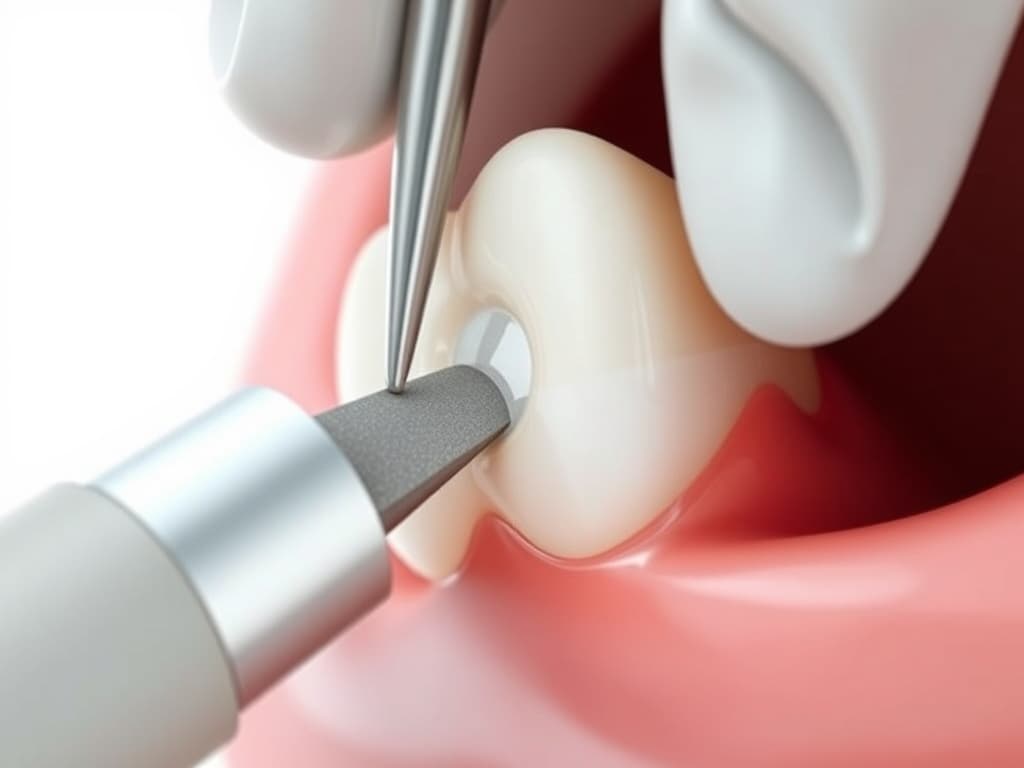
Mechanically, the hygienist uses specialized instruments—hand scalers, ultrasonic scalers, and polishing cups—to disrupt and lift the biofilm. Ultrasonic devices vibrate at high frequencies, breaking the bond between calculus and tooth while flushing away debris with a water spray. Hand scalers allow precise removal in hard‑to‑reach areas, such as interproximal spaces and subgingival pockets.
Why It Matters
The act of cleaning goes beyond aesthetics. By eliminating plaque and calculus, the procedure reduces the bacterial load that fuels gingivitis, the earliest stage of gum disease. Lower bacterial counts also diminish the production of inflammatory mediators that can damage the periodontal ligament and alveolar bone.
Furthermore, a clean surface allows fluoride from toothpaste or professional treatments to interact directly with enamel, enhancing remineralization. This protective effect helps to prevent new cavities and can even slow the progression of early lesions.
Health Consequences of Skipping Cleanings
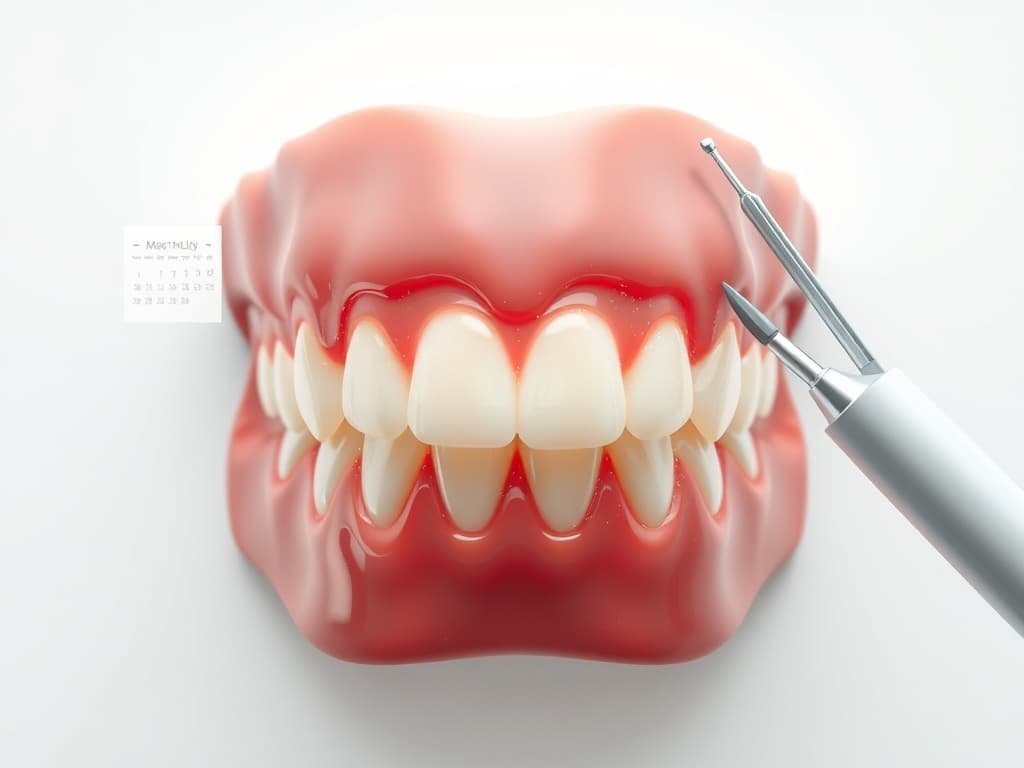
When cleanings are missed, plaque continues to accumulate, leading to persistent gingival inflammation. Over months, this can evolve into periodontitis, characterized by pocket formation, gum recession, and bone loss. Advanced periodontitis is a leading cause of adult tooth loss.
Beyond oral structures, chronic inflammation in the gums has been linked in epidemiological studies to systemic conditions such as diabetes, heart disease, and adverse pregnancy outcomes. While the exact causal pathways remain under investigation, the consensus among health professionals is that maintaining oral health contributes to overall health.
Benefits of a Professional Cleaning
Immediate benefits include a smoother, brighter smile and a fresh, minty feeling that cannot be achieved by brushing alone. Long‑term benefits encompass reduced risk of cavities, slower progression of gum disease, and early detection of oral pathology.
Professional cleanings also provide an educational moment. The hygienist can demonstrate proper brushing technique, recommend flossing strategies, and suggest adjunctive tools such as interdental brushes or water flossers tailored to the patient’s anatomy.
Comparison vs Alternatives
At‑home oral hygiene—brushing twice daily and flossing—remains the foundation of plaque control, but it cannot reach subgingival areas where calculus forms. Over‑the‑counter polishing kits may improve surface shine but lack the mechanical force and antimicrobial irrigation that a professional cleaning provides.
Some patients consider “deep cleaning” (scaling and root planing) as an alternative to routine prophylaxis. While deep cleaning is essential for treating established periodontitis, it is more invasive, often requires multiple visits, and is not a substitute for regular prophylactic appointments that prevent disease from reaching that stage.
Impact Across Different Age Groups or Cases
Children and adolescents typically have less calculus buildup but may require more frequent visits to reinforce brushing habits and monitor the eruption of permanent teeth. Adults, especially those with a history of gum disease, may need cleanings every three to four months to keep inflammation under control.
Seniors often experience receding gums, dry mouth from medications, and a higher prevalence of root caries. For them, the cleaning process may involve more careful handling of exposed root surfaces and additional fluoride application to protect vulnerable dentin.
Economic / Cost Considerations
While the exact cost of a cleaning varies by region and practice, most dental insurance plans cover at least two cleanings per year as part of preventive benefits. Investing in regular cleanings can offset higher expenses later, such as restorative work for cavities, periodontal surgery, or tooth replacement.
From a broader perspective, population‑level studies have shown that communities with higher rates of preventive dental visits experience lower overall dental expenditures, reflecting the cost‑effectiveness of early intervention.
Psychological / Lifestyle Factors
Many people experience dental anxiety, which can deter them from seeking routine care. A transparent explanation of each step, a calm environment, and the option to signal discomfort can reduce fear and improve compliance.
Lifestyle choices—such as tobacco use, high‑sugar diets, and irregular sleep—can accelerate plaque formation and gum inflammation. Understanding the connection between daily habits and oral health empowers patients to make choices that complement professional care.
Preventive / Maintenance Considerations
After a cleaning, maintaining the results hinges on daily oral hygiene, dietary moderation, and periodic self‑assessment. Using a soft‑bristled toothbrush, replacing it every three months, and flossing or using interdental cleaners daily are essential habits.
Supplemental preventive measures may include antimicrobial mouth rinses, prescription fluoride gels for high‑risk patients, and regular self‑checks for bleeding, swelling, or changes in tooth position. Promptly reporting any concerns to the dental team ensures timely intervention.
Common Myths or Misconceptions
Myth 1: “If my teeth look clean, I don’t need a professional cleaning.” In reality, visual inspection cannot reveal subgingival calculus or early gum inflammation, both of which are detectable only with professional tools.
Myth 2: “Dental cleanings damage enamel.” The instruments are designed to remove only hardened deposits; they do not abrade healthy enamel. Polishing may temporarily soften the outer layer, but it quickly re‑hardens and is followed by fluoride application to reinforce strength.
Myth 3: “I can skip a cleaning if I brush well.” Even the most diligent brushers miss the spaces between teeth and below the gum line, where calculus can accumulate unnoticed.
Frequently Asked Questions
How often should I schedule a cleaning? Most adults benefit from a cleaning every six months, but those with gum disease, diabetes, or a history of cavities may need quarterly visits.
Will the cleaning hurt? Some patients feel mild sensitivity or gum tugging, especially if inflammation is present. The hygienist will adjust pressure and can pause if discomfort arises.
Can I eat or drink after the appointment? It’s advisable to wait 30 minutes after fluoride treatment to allow optimal absorption. Otherwise, normal eating and drinking can resume.
Do I need an X‑ray at every cleaning? Not necessarily. Radiographs are taken based on clinical need—such as suspected decay, bone loss, or new tooth eruption—not automatically at each visit.
Conclusion / Summary
A dental cleaning is a preventive, evidence‑based procedure that removes plaque and tartar, assesses oral health, and provides personalized education. By understanding the step‑by‑step process, the biological rationale, and the broader health implications, patients can appreciate why regular visits are a vital investment in both their smile and overall well‑being.
Neglecting these appointments increases the risk of gum disease, tooth loss, and systemic complications, while consistent care supports a healthier mouth, reduces future costs, and reinforces confidence in daily oral hygiene. If you have questions or concerns about your next cleaning, schedule a consultation with your dental professional to ensure a comfortable and effective experience.
Dr. Liza Day
Dental health content specialist at AppointPanda, dedicated to helping patients make informed decisions about their dental care through comprehensive, accurate information.
Get More Dental Tips
Subscribe to get weekly articles delivered to your inbox