Best Teeth Whitening Treatments Recommended by Dentists
Dr. Allen V
Dental Health Expert
Featured image for: Best Teeth Whitening Treatments Recommended by Dentists
A brilliant white smile has become more than just a cosmetic desire it's often viewed as a sign of good health, confidence, and attention to personal care. If you've found yourself comparing your smile to the gleaming teeth you see in magazines or on social media, you're certainly not alone. The good news is that achieving a brighter smile is more accessible than ever, with numerous whitening options available to fit different needs, budgets, and lifestyles. However, navigating the crowded marketplace of whitening products can feel overwhelming. Store shelves overflow with strips, gels, toothpastes, and LED devices, each promising dramatic results. Online retailers offer countless options, many with conflicting reviews and claims. This is where professional dental guidance becomes invaluable. Dentists understand the science behind tooth discoloration, the safety profiles of various whitening agents, and which treatments deliver genuine results versus those that waste your money. Understanding what dental professionals actually recommend can save you time, money, and potential damage to your teeth and gums. This comprehensive guide explores the whitening treatments that dentists trust most, helping you make an informed decision about brightening your smile safely and effectively.
Understanding the Best Teeth Whitening Options Available
When dentists discuss the best teeth whitening treatments, they're evaluating several critical factors: effectiveness, safety, longevity of results, and suitability for different types of tooth discoloration. Professional in-office whitening consistently ranks at the top of their recommendations because it delivers the most dramatic and predictable results in the shortest time frame.
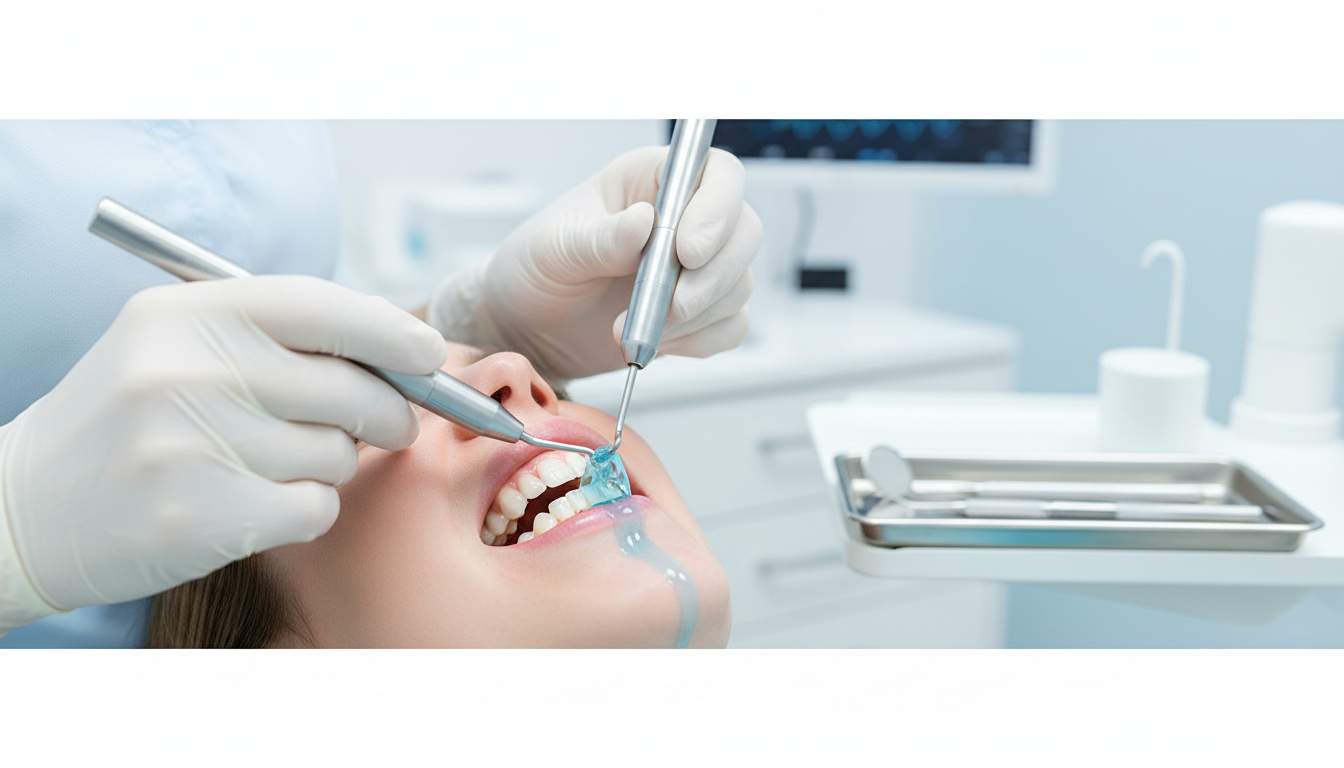
In-office whitening treatments use high-concentration hydrogen peroxide or carbamide peroxide gels, typically ranging from 25% to 40% hydrogen peroxide. During these procedures, your dentist applies protective barriers to your gums and soft tissues before carefully coating your teeth with the whitening gel. Many systems incorporate special lights or lasers that activate the gel, accelerating the whitening process. A single session lasting 60 to 90 minutes can lighten teeth by several shades, with some patients achieving results up to eight shades brighter.
The controlled environment of a dental office provides significant advantages. Your dentist can customize the treatment intensity based on your specific needs, monitor for any sensitivity issues, and ensure even coverage for consistent results. They can also identify underlying dental problems that might affect whitening outcomes, such as cavities, worn enamel, or existing restorations that won't respond to whitening agents.
Take-home professional whitening kits prescribed by dentists offer another excellent option. These systems use custom-fitted trays created from impressions of your teeth, ensuring perfect contact between the whitening gel and tooth surfaces. The gel concentrations are lower than in-office treatments typically 10% to 20% carbamide peroxide but the extended wear time compensates for this, producing impressive results over two to four weeks of consistent use.
Evaluating the Best Teeth Whitening Products on the Market
Dentists recognize that professional treatments aren't feasible for everyone due to cost or time constraints, which is why they often recommend certain over-the-counter options as effective alternatives. When evaluating best teeth whitening products, dental professionals look for active ingredients proven by research, appropriate concentrations that balance efficacy with safety, and delivery systems that maintain good contact with tooth surfaces.
Whitening strips have earned dentist approval as one of the most reliable over-the-counter options. Leading brands use hydrogen peroxide in concentrations ranging from 6% to 14%, delivered via thin, flexible strips that adhere to your teeth for 30 minutes to an hour daily. The key to their effectiveness lies in consistent use; most systems require 14 to 28 days of daily application to achieve optimal results. Dentists particularly appreciate that quality strips conform well to tooth contours, ensuring even whitening across the smile zone.
Whitening toothpastes occupy a unique category because they work differently than gel-based products. Rather than using peroxide to bleach teeth, these toothpastes rely on mild abrasives and chemical agents to remove surface stains. While they can't change the natural color of your teeth or lighten deep discoloration, they effectively maintain whitening results and prevent new stains from developing. Dentists often recommend using whitening toothpaste as maintenance between professional treatments.
LED whitening kits have flooded the market in recent years, with varying degrees of dentist endorsement. Some dentists acknowledge that certain LED systems can enhance peroxide-based whitening by accelerating the chemical reaction, while others remain skeptical about the actual contribution of the light versus the gel alone. The consensus suggests that if you choose an LED system, the quality and concentration of the whitening gel matters far more than the light technology.
Selecting the Best Teeth Whitening Gel for Home Use
The active whitening agent is the heart of any successful treatment, making the selection of best teeth whitening gel crucial for achieving your desired results. Dentists consistently point to two primary ingredients: hydrogen peroxide and carbamide peroxide. Understanding the differences between these compounds helps you choose the right product for your needs.
Hydrogen peroxide works quickly, making it ideal for in-office treatments and shorter-duration home applications. It breaks down immediately upon contact with teeth, releasing oxygen molecules that penetrate enamel and dentin to break apart stain molecules. Concentrations in professional take-home kits typically range from 10% to 20%, while over-the-counter products contain lower percentages, usually between 3% and 10%.
Carbamide peroxide breaks down into hydrogen peroxide and urea when applied to teeth, creating a slower, more gradual whitening process. Because it releases hydrogen peroxide over an extended period, carbamide peroxide works well for overnight wear in custom trays. A 10% carbamide peroxide gel roughly equals 3.5% hydrogen peroxide in terms of active whitening power, but the prolonged release can produce comparable or superior results with less sensitivity.
Dentists emphasize the importance of gel consistency and viscosity. Thicker gels stay in place better, maintaining contact with tooth surfaces without running onto gums or being diluted by saliva. Quality matters significantly professional-grade gels undergo rigorous testing for stability, pH balance, and shelf life. While they cost more than budget alternatives, they deliver more predictable results with fewer side effects.
The delivery method for your whitening gel significantly impacts effectiveness. Custom trays from your dentist provide the gold standard, creating a perfect seal that keeps gel in contact with teeth while preventing gum irritation. Generic trays from drugstores rarely fit properly, leading to uneven whitening and wasted product. If custom trays aren't feasible, look for moldable trays that conform to your teeth after heating in hot water.
Identifying the Best Whitening for Teeth with Sensitivity
Many people with sensitive teeth avoid whitening treatments entirely, assuming they'll experience painful results. However, dentists have identified the best whitening for teeth prone to sensitivity, allowing even those with tender teeth to brighten their smiles comfortably. The key lies in selecting appropriate products and following specific protocols to minimize discomfort.
Lower concentration formulas used over longer periods typically cause less sensitivity than high-concentration quick treatments. A 10% carbamide peroxide gel worn for two weeks produces similar results to a 35% hydrogen peroxide one-hour treatment but with significantly less tooth sensitivity. The gradual approach gives tooth nerves time to adapt to the whitening process.
Many professional whitening systems now incorporate desensitizing agents directly into the gel. Potassium nitrate and fluoride are the most common additions, working to calm nerve endings and strengthen enamel simultaneously with whitening. These combination products have revolutionized treatment for sensitive teeth, making professional-grade whitening accessible to patients who previously couldn't tolerate it.
Dentists also recommend specific pre-treatment and post-treatment protocols for sensitive teeth. Using a desensitizing toothpaste for two weeks before beginning whitening treatment can significantly reduce discomfort. These toothpastes contain ingredients that block the tubules in your teeth, preventing stimuli from reaching nerves. Similarly, continuing with desensitizing products during and after whitening helps manage any sensitivity that develops.
Timing and duration adjustments make whitening more tolerable for sensitive individuals. Instead of daily applications, alternating days gives teeth recovery time between treatments. Reducing wear time from one hour to 30 minutes, or overnight wear to just a few hours, can minimize sensitivity while still producing gradual whitening effects. Your dentist can create a customized schedule that balances results with comfort.
Discovering the Most Effective Teeth Whitening Methods
When dental professionals discuss the most effective teeth whitening approaches, they're considering not just immediate results but also longevity, safety, and overall value. Effectiveness encompasses multiple dimensions: how many shades lighter teeth become, how long results last, how evenly teeth whiten, and whether the treatment causes unwanted side effects.
Professional in-office whitening consistently demonstrates the highest effectiveness ratings in clinical studies. The combination of high-concentration gels, protective application techniques, and sometimes light activation produces superior immediate results. Research shows that in-office treatments can lighten teeth by an average of five to eight shades in a single appointment, with some patients experiencing even more dramatic improvements.
However, effectiveness isn't solely about initial whitening power. Dentists emphasize that the longevity of results is equally important. Professional treatments supplemented with custom take-home maintenance kits typically maintain their brightness for one to three years, depending on lifestyle factors. This combination approach starting with in-office whitening and maintaining with periodic touch-ups represents the gold standard for lasting effectiveness.
Over-the-counter strips have proven surprisingly effective in clinical trials, often producing results comparable to lower-concentration professional take-home kits. Studies show that strips containing 10% hydrogen peroxide, used consistently for two weeks, can lighten teeth by three to four shades. While this falls short of professional in-office results, it represents significant improvement at a fraction of the cost.
Natural and alternative whitening methods popular on social media rarely meet dentist approval when effectiveness is objectively measured. Activated charcoal, oil pulling, and baking soda scrubs lack scientific evidence supporting their whitening claims and may actually damage enamel with repeated use. When patients ask about these trendy options, dentists typically redirect them toward proven treatments with established safety and efficacy profiles.
Choosing the Best Tooth Whitener for Your Lifestyle
The best tooth whitener for you depends on your specific circumstances, including your schedule, budget, sensitivity level, and whitening goals. Dentists help patients navigate these factors to select treatments that they'll actually use consistently, as compliance determines success regardless of which product you choose.
For patients with busy schedules who want fast results, in-office treatments offer the most efficient solution. A single appointment can replace weeks of home treatment applications, making it ideal for people preparing for weddings, job interviews, or other significant events. The higher upfront cost is offset by time savings and guaranteed professional supervision.
Budget-conscious patients who can commit to daily applications often achieve excellent results with quality over-the-counter strips. Dentists recommend setting a routine—perhaps applying strips during morning coffee or evening TV time—to establish the habit. Consistent use matters more than choosing the most expensive product.
Those with sensitive teeth should prioritize dentist-supervised treatments using desensitizing formulations. While this requires professional consultation, the guidance prevents the disappointment and discomfort of starting and stopping various over-the-counter products. Your dentist can also rule out underlying issues like cavities or gum recession that might be causing sensitivity.
Maintenance is where many whitening efforts fail. The best tooth whitener for long-term success includes a realistic maintenance plan. This might involve using whitening strips for a few days every three months, occasional overnight wear of professional trays, or consistent use of whitening toothpaste. Dentists emphasize that modest touch-ups maintain results far better than attempting complete retreatment after brightness fades.
Exploring Best Teeth Whitening Products Recommended by Dentists
When it comes to specific brand recommendations, dentists consistently mention several best teeth whitening products recommended by dentists across different categories. While individual preferences vary, certain products have earned widespread professional endorsement through clinical research and consistent patient outcomes.
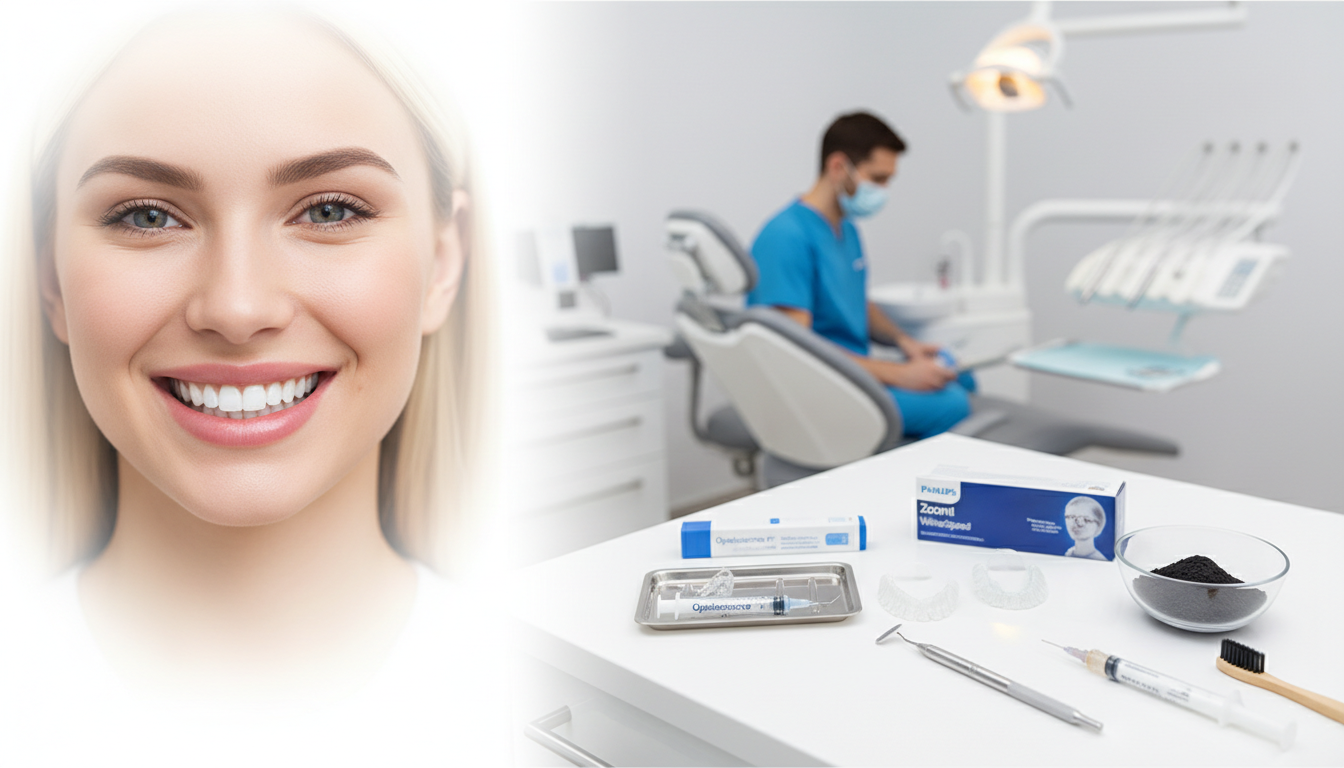
For professional take-home systems, Opalescence and Zoom DayWhite receive frequent dentist recommendations. These prescription-strength products combine effective carbamide or hydrogen peroxide concentrations with patented formulations that minimize sensitivity while maximizing results. Both systems use custom trays for optimal fit and include multiple strength options to match individual patient needs.
Among over-the-counter strips, Crest 3D Whitestrips Professional Effects consistently rank high in dentist surveys. These strips use 10% hydrogen peroxide and demonstrate results in clinical studies comparable to some professional treatments. Their strong adhesion and good tooth coverage make them more effective than many competing products. For particularly stubborn stains, the Professional Supreme level offers higher concentration for enhanced whitening power.
Whitening toothpastes receive more varied recommendations because they serve different purposes. For daily maintenance, many dentists suggest Sensodyne Pronamel Gentle Whitening, which balances stain removal with enamel protection—particularly important since frequent whitening can sometimes weaken enamel. For more aggressive stain removal, Colgate Optic White High Impact receives endorsements, though dentists caution against using highly abrasive toothpastes continuously.
LED whitening kits generate mixed professional opinions, but dentists who do recommend them often mention GLO Science products. These systems combine professional-grade gel with light and heat activation in a hands-free design. While expensive for at-home treatment, they offer an intermediate option between drugstore strips and professional office visits.
Frequently Asked Questions
Dr. Allen V
Dental health content specialist at AppointPanda, dedicated to helping patients make informed decisions about their dental care through comprehensive, accurate information.
Get More Dental Tips
Subscribe to get weekly articles delivered to your inbox