How Often Should You Get a Dental Cleaning? A Comprehensive Guide
Dr. Maya Patel, DDS
Dental Health Expert

Featured image for: How Often Should You Get a Dental Cleaning? A Comprehensive Guide
Understanding the optimal interval for professional dental cleanings helps protect your smile, prevent disease, and avoid costly problems. Learn why timing matters, what factors influence the schedule, and how to maintain oral health between visits.
Regular dental cleanings are more than a shiny smile—they are a cornerstone of long‑term oral health. A professional cleaning removes plaque and tartar that daily brushing and flossing can miss, allowing the dentist to spot early signs of decay, gum disease, or other problems before they become painful or expensive to treat.
If you skip or delay these appointments, hidden plaque can harden into calculus, creating a breeding ground for bacteria that erode enamel, inflame gums, and eventually threaten the supporting bone. Over time, the cost of neglect can shift from a simple polishing to invasive procedures such as deep cleanings, root canals, or even tooth loss.
Table of Contents
Definition / Overview
Biological Explanation
Why It Matters
Health Consequences of Infrequent Cleanings
Benefits of Regular Cleanings
Comparison vs Self‑Care Alternatives
Impact Across Different Age Groups
Economic and Cost Considerations
Psychological and Lifestyle Factors
Preventive and Maintenance Strategies
Common Myths and Misconceptions
Frequently Asked Questions
Conclusion / Summary
Definition / Overview
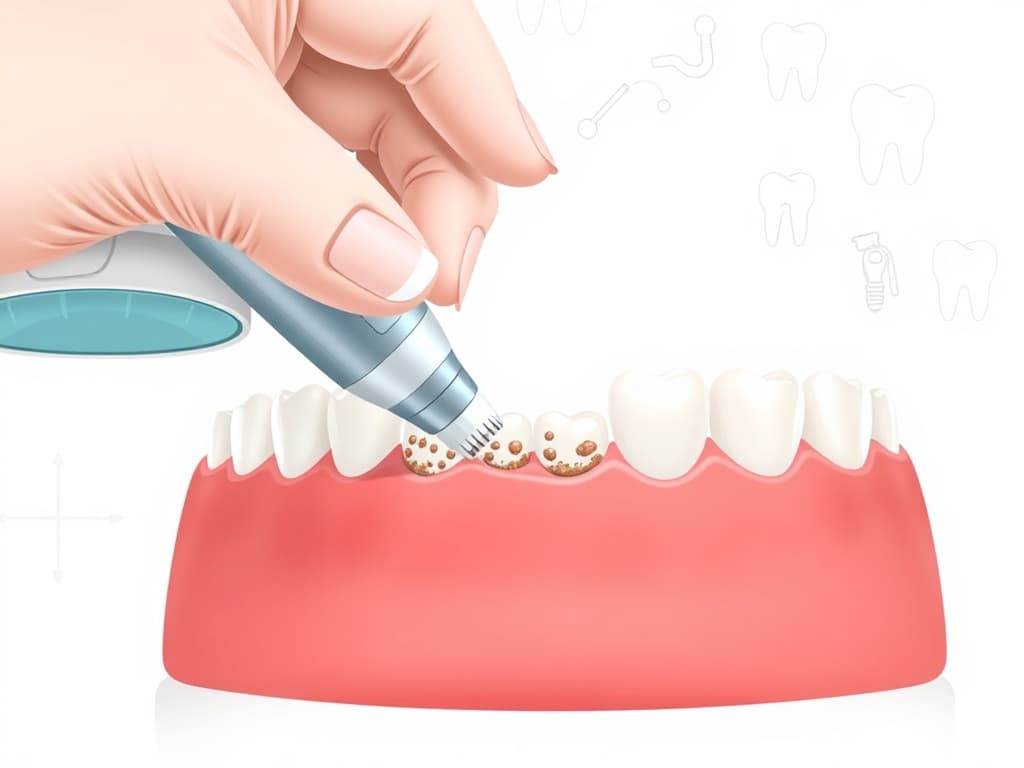
A dental cleaning, also known as prophylaxis, is a professional procedure performed by a dental hygienist or dentist. It typically involves three steps: scaling to remove plaque and tartar from tooth surfaces, polishing to smooth the enamel, and flossing or interproximal cleaning to reach between the teeth. The goal is to reduce bacterial load, prevent the formation of cavities, and maintain healthy gums.
While the term “cleaning” sounds simple, the procedure is a diagnostic window. During a cleaning, the clinician examines the mouth for early decay, gum recession, oral lesions, or signs of systemic disease that may manifest orally. This comprehensive assessment makes the cleaning a preventive health service rather than a cosmetic add‑on.
Biological Explanation
Every day, a thin film of bacteria known as dental plaque adheres to the teeth. In its early stage, plaque is soft and can be removed by brushing. However, if left undisturbed for 24‑48 hours, the bacteria produce acids that demineralize enamel, leading to cavities. After about 72 hours, minerals in saliva begin to harden the plaque into calculus (tartar), which adheres firmly to enamel and can only be removed with specialized instruments.
Calculus creates a rough surface that traps more plaque, forming a vicious cycle. The bacteria within this biofilm release toxins that irritate the gingival tissue, causing inflammation (gingivitis). If untreated, the inflammation can progress to periodontitis, where the supporting bone and connective tissue are destroyed, ultimately loosening the teeth.
Why It Matters
Professional cleanings break this cycle at its source. By mechanically removing plaque and tartar, the clinician reduces bacterial load dramatically, giving the immune system a chance to heal inflamed gums. Moreover, polishing smooths the enamel, making it harder for new plaque to adhere, which extends the interval between cleanings for many patients.
Beyond the immediate oral benefits, research consistently links good oral hygiene with systemic health. Chronic gum inflammation has been associated with cardiovascular disease, diabetes complications, and adverse pregnancy outcomes. While a cleaning alone does not eliminate these risks, it is a tangible step toward reducing the bacterial burden that contributes to systemic inflammation.
Health Consequences of Infrequent Cleanings
If cleanings are postponed beyond the recommended interval, plaque and tartar accumulate, leading to a higher likelihood of cavities and gum disease. Early‑stage gum disease (gingivitis) may cause bleeding, swelling, and bad breath. If the condition advances to periodontitis, patients can experience gum recession, tooth mobility, and eventually tooth loss.
Neglect also compromises early detection. Small cavities, cracked teeth, or oral lesions that could indicate precancerous changes are easier to spot during a routine cleaning. Missing these warning signs can delay treatment, turning a simple filling into a more complex restoration or even a surgical intervention.
Benefits of Regular Cleanings
When you maintain the dentist‑recommended schedule, you enjoy several tangible benefits:
- Reduced risk of cavities: Removing plaque before it hardens limits acid attacks on enamel.
- Healthier gums: Consistent removal of bacterial toxins prevents inflammation and recession.
- Long‑term cost savings: Preventive care is far less expensive than restorative procedures that arise from neglect.
- Enhanced aesthetics: Polished teeth reflect light better, giving a naturally brighter appearance without bleaching.
- Peace of mind: Regular professional oversight reassures you that hidden problems are being caught early.
These advantages are cumulative; each cleaning builds on the previous one, creating a protective layer of oral health that can last for years.
Comparison vs Self‑Care Alternatives
At home, brushing twice daily with fluoride toothpaste and flossing once a day are essential habits. However, they cannot replicate the mechanical force and precision of ultrasonic scalers or hand instruments used by clinicians. Home tools such as interdental brushes or water flossers can complement but not replace professional scaling.
Some patients wonder whether “cleaning tablets” or over‑the‑counter polishing kits are sufficient. While these products may freshen breath temporarily, they lack the ability to break down calculus or assess gum health. In short, self‑care maintains the status quo; professional cleaning actively improves the oral environment.
Impact Across Different Age Groups
Children and adolescents often have a higher rate of plaque buildup due to dietary sugars and less refined brushing techniques. For them, a six‑month interval is commonly recommended to guide proper habits early and to monitor developing bite issues.
Adults with stable oral health and good home care may find a twelve‑month schedule adequate. However, adults with risk factors—such as diabetes, smoking, a history of periodontal disease, or orthodontic appliances—often benefit from more frequent visits, sometimes every three to four months.
Seniors face unique challenges: reduced saliva flow, medication‑induced dry mouth, and potential dexterity issues that make flossing harder. For many older adults, a six‑month cleaning helps manage these factors and preserves remaining natural teeth.
Economic and Cost Considerations
While the exact cost of a cleaning varies by region and practice, the principle remains clear: preventing disease is financially smarter than treating advanced decay or periodontal breakdown. Many dental insurance plans cover at least two cleanings per year, reflecting the preventive value recognized by insurers.
For patients without coverage, many offices offer sliding‑scale fees or bundled preventive packages. Investing in regular cleanings can also reduce the need for costly crowns, bridges, or implants later in life, which represent a significant financial burden.
Psychological and Lifestyle Factors
Regular dental visits can alleviate dental anxiety over time. Familiarity with the hygienist, a predictable routine, and clear communication about what to expect reduce fear. Conversely, long gaps between appointments can increase apprehension, as the mouth may have become more problematic, leading to a negative feedback loop.
Lifestyle choices—such as frequent coffee consumption, tobacco use, or a diet high in acidic foods—accelerate plaque formation and staining. Understanding how these habits interact with cleaning frequency empowers patients to make informed adjustments, such as scheduling an extra cleaning after a period of heavy coffee drinking.
Preventive and Maintenance Strategies
Beyond scheduling, patients can adopt habits that extend the benefits of each cleaning:
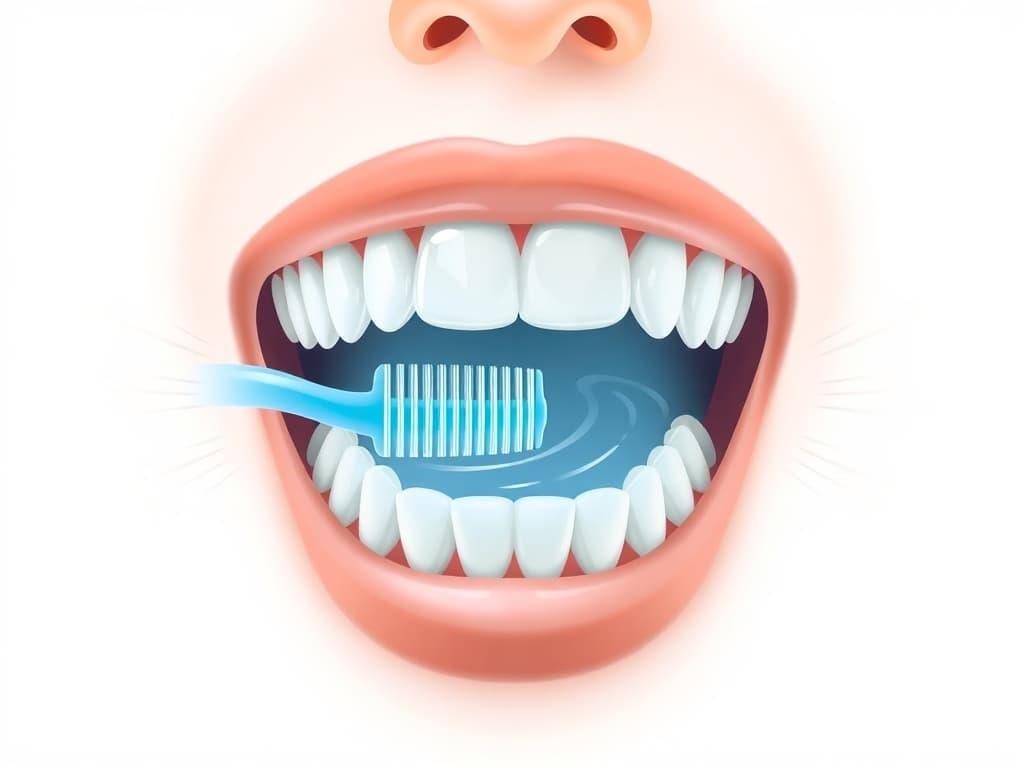
- Effective brushing technique: Use a soft‑bristled brush at a 45‑degree angle, employing short, gentle strokes for two minutes.
- Daily floss or interdental cleaning: Removes plaque from between teeth where a brush cannot reach.
- Fluoride use: Fluoride toothpaste or mouth rinses strengthen enamel and help reverse early demineralization.
- Dietary mindfulness: Limit sugary snacks and acidic beverages; rinse with water after consumption.
- Regular self‑exams: Look for changes in color, texture, or bleeding, and report them promptly.
When these practices are combined with appropriately timed professional cleanings, the oral environment remains balanced, and the risk of disease stays low.
Common Myths and Misconceptions
Myth 1: “If my teeth look clean, I don’t need a professional cleaning.” The visual appearance of teeth can be misleading. Tartar is often invisible and can hide under the gum line, where only a clinician can see it.
Myth 2: “I only need a cleaning when I have pain.” Pain is usually a late sign of disease. Regular cleanings catch issues before symptoms arise.
Myth 3: “Once a year is enough for everyone.” Frequency should be individualized. Health conditions, genetics, and oral habits all influence the optimal interval.
Myth 4: “Dental cleanings are just for whitening.” While polishing does improve brightness, the primary purpose is plaque and tartar removal for health reasons.
Frequently Asked Questions
How often should a healthy adult schedule a cleaning? Most healthy adults benefit from a cleaning every six to twelve months. The exact interval depends on personal risk factors and the dentist’s assessment.
Can I schedule a cleaning more often if I have braces? Yes. Orthodontic appliances trap food and plaque, so many orthodontists recommend cleanings every three to four months.
What should I expect during a cleaning? The hygienist will first examine your mouth, then use scaling tools to remove plaque and tartar, polish the teeth, floss, and finish with a fluoride treatment or oral hygiene instructions.
Is there any preparation needed? No special preparation is required. Arrive with a clean mouth, and inform the staff of any recent changes in health or medication.
Will a cleaning hurt? Most patients feel only mild pressure. If you have sensitive gums or a history of periodontal disease, the hygienist will adjust techniques to ensure comfort.
Conclusion / Summary
Determining how often you should get a dental cleaning is not a one‑size‑fits‑all decision. It hinges on the biology of plaque formation, personal health conditions, age, lifestyle, and the quality of daily oral care. Regular professional cleanings interrupt the plaque‑tartar cycle, protect gums, enable early disease detection, and support overall systemic health.
By partnering with a dental professional, adhering to a personalized cleaning schedule, and reinforcing good home hygiene, you create a resilient oral environment that can sustain a healthy smile for a lifetime. When in doubt, ask your dentist to evaluate your specific risk profile and recommend the optimal interval—because prevention is always the smartest, most cost‑effective, and healthiest choice.
Dr. Maya Patel, DDS
Dental health content specialist at AppointPanda, dedicated to helping patients make informed decisions about their dental care through comprehensive, accurate information.
Get More Dental Tips
Subscribe to get weekly articles delivered to your inbox