Is Dental Cleaning Painful or Uncomfortable? What You Need to Know
Dr. Liza Day
Dental Health Expert

Featured image for: Is Dental Cleaning Painful or Uncomfortable? What You Need to Know
Discover why dental cleanings are often more comfortable than feared, the factors that influence sensations during the visit, and how proper care can prevent pain and protect oral health.
When you hear the phrase “dental cleaning,” many people picture a drill, a scraping sound, and a throbbing ache that lingers for days. The reality, however, is more nuanced. A dental cleaning—also called prophylaxis—is a routine preventive procedure performed by a dental hygienist to remove plaque, tartar, and surface stains. While some individuals report mild sensations, the majority experience little to no pain when the appointment is managed correctly.
Understanding what influences comfort during a cleaning matters because fear of pain often leads people to skip appointments. Neglecting regular cleanings can allow plaque to harden into tartar, trigger gum inflammation, and ultimately increase the risk of cavities, periodontal disease, and tooth loss. By demystifying the process, you can make an informed decision about your oral health and avoid the long‑term consequences of avoidance.
Table of Contents
Definition / Overview
Biological Explanation of the Cleaning Process
Why It Matters: The Role of Professional Cleaning
Health Consequences of Skipping Cleanings
Benefits of a Properly Performed Cleaning
Comparison vs. At‑Home Cleaning
Impact Across Different Age Groups
Economic Considerations
Psychological and Lifestyle Factors
Preventive and Maintenance Strategies
Common Myths and Misconceptions
Frequently Asked Questions
Conclusion / Summary
Definition / Overview
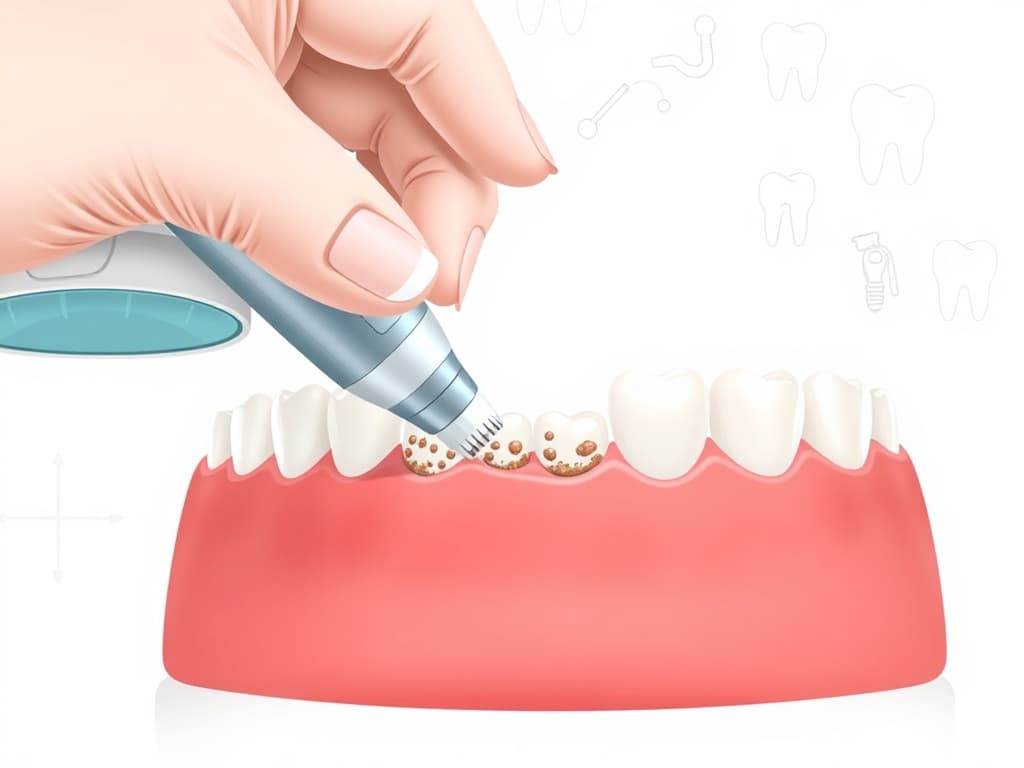
A dental cleaning is a preventive service in which a dental professional removes dental plaque—a soft, sticky film of bacteria—and calculus (tartar), which is hardened plaque that can only be removed with specialized tools. The procedure typically involves scaling (scraping away tartar), polishing the tooth surfaces, and flossing between the teeth. The goal is to keep the mouth free of bacterial buildup that can cause decay and gum disease.
Most dental offices schedule cleanings every six months, although the interval may be shorter for patients with a history of gum disease or high caries risk. The appointment usually lasts between 30 and 60 minutes, depending on the amount of plaque and the individual’s oral condition.
Biological Explanation of the Cleaning Process
The mouth is a dynamic ecosystem where bacteria constantly form colonies on the tooth surface. When you eat, especially foods high in sugars and starches, the bacteria metabolize these carbohydrates and produce acids that erode enamel. Over time, the bacterial colonies mature into a biofilm known as plaque. If plaque is not removed, minerals in saliva cause it to calcify into tartar, which adheres tightly to enamel and below the gum line.
During a cleaning, the hygienist uses a handheld scaler or ultrasonic device that vibrates at high frequencies to break the bond between tartar and the tooth surface. The ultrasonic tip also sprays a fine mist of water, which helps flush away debris and reduces heat. After scaling, a polishing paste—often containing fine abrasives—is applied with a low‑speed brush to smooth the enamel, making it harder for new plaque to adhere. Finally, the hygienist may use floss or interdental brushes to clean between the teeth, ensuring no residual debris remains.
Why It Matters: The Role of Professional Cleaning
Professional cleaning goes beyond what a toothbrush can achieve. Brushing and flossing remove the soft plaque on exposed surfaces, but they cannot reach sub‑gingival areas where tartar forms. By eliminating tartar, a cleaning reduces the bacterial load that fuels inflammation in the gums. This, in turn, helps maintain the integrity of the periodontal ligament—a set of fibers that hold teeth in place.
Regular cleanings also provide an opportunity for the dental team to spot early signs of disease, such as gingival recession, pocket formation, or enamel demineralization. Early detection allows for minimally invasive interventions, preserving natural tooth structure and avoiding costly procedures later on.
Health Consequences of Skipping Cleanings
When cleanings are delayed, plaque continues to accumulate and harden. The persistent presence of bacterial toxins triggers the body’s immune response, leading to gum inflammation (gingivitis). If left untreated, gingivitis can progress to periodontitis, a condition where the supporting bone and connective tissue break down, potentially resulting in tooth mobility and loss.
Beyond oral health, chronic periodontal disease has been linked to systemic conditions such as cardiovascular disease, diabetes complications, and adverse pregnancy outcomes. While the exact mechanisms are still under investigation, the association underscores the importance of maintaining a healthy mouth as part of overall wellness.
Benefits of a Properly Performed Cleaning
The immediate benefit of a cleaning is a smoother, brighter smile. Polishing removes surface stains caused by coffee, tea, or tobacco, enhancing aesthetic confidence. More importantly, the removal of plaque and tartar reduces the bacterial challenge to the gums, decreasing bleeding, swelling, and bad breath.
Long‑term benefits include a lower risk of cavities, slower progression of gum disease, and preservation of bone height around the teeth. Patients who keep up with regular cleanings often report fewer emergency visits for toothaches or infections, reflecting the preventive power of prophylaxis.
Comparison vs. At‑Home Cleaning
At‑home oral hygiene—brushing twice daily with fluoride toothpaste and flossing once a day—forms the foundation of dental health. However, the mechanical action of a toothbrush cannot replicate the precision of a scaler or the reach of an ultrasonic tip. At‑home cleaning is akin to mowing the lawn; it keeps the surface tidy but cannot remove deep‑rooted weeds (tartar) that grow below the surface.
Professional cleaning also includes a visual and tactile examination that cannot be performed by the patient. The hygienist can detect early signs of decay between teeth, on the occlusal surfaces, or near the gum line that may be missed with a mirror at home. In short, at‑home care maintains health; professional cleaning restores and protects it.
Impact Across Different Age Groups
Children and adolescents often have a higher rate of plaque buildup due to dietary habits and developing motor skills for brushing. Early cleanings help establish good habits and prevent early childhood caries. For teenagers, hormonal changes can increase gum sensitivity, making a gentle yet thorough cleaning essential.
Adults face cumulative plaque exposure, and many begin to experience gum recession or early signs of periodontitis. Regular cleanings at this stage focus on managing inflammation and preventing bone loss. Seniors may have receding gums, exposed root surfaces, and dry mouth from medications, all of which increase sensitivity during cleaning. Hygienists adapt techniques—using softer scalers or longer intervals between scaling—to ensure comfort while still achieving therapeutic goals.
Economic Considerations
Investing in routine cleanings is financially prudent. The cost of a preventive visit is modest compared to the expenses associated with treating advanced decay, root canals, or periodontal surgery. Moreover, many dental insurance plans cover a portion of the cleaning fee, reducing out‑of‑pocket costs. While exact figures vary by region and provider, the principle remains: prevention saves money.
From a broader perspective, public health studies consistently show that populations with higher rates of preventive dental care experience lower overall healthcare expenditures, reflecting the interconnectedness of oral and systemic health.
Psychological and Lifestyle Factors
Dental anxiety is a real barrier for many patients. The anticipation of pain often amplifies perceived discomfort, creating a feedback loop that discourages future visits. Understanding that most cleanings are not painful—and that modern techniques prioritize patient comfort—can help reduce this anxiety.
Lifestyle choices also influence how a cleaning feels. Smoking, for example, can cause gum tissue to become more fibrotic, making it less pliable and more prone to bleeding during scaling. Excessive coffee or acidic beverage consumption can increase enamel sensitivity, which may be noticeable during polishing. Addressing these habits with a dentist can improve both oral health and the cleaning experience.
Preventive and Maintenance Strategies
To maximize comfort during a cleaning, maintain diligent at‑home care. Brushing with a soft‑bristled toothbrush, using a fluoride toothpaste, and flossing daily reduce plaque buildup, meaning there is less tartar for the hygienist to remove. For patients with heightened sensitivity, a desensitizing toothpaste used for several weeks before the appointment can diminish discomfort.
Communicating openly with the dental team is crucial. Let the hygienist know if you have a history of sensitivity, recent dental work, or anxiety. They can adjust the pressure applied, use a water spray to cool the area, or pause the procedure if you need a moment. Some offices also offer nitrous oxide (laughing gas) or oral sedation for patients with severe anxiety.
Common Myths and Misconceptions
Myth 1: “If I don’t feel pain, the cleaning isn’t thorough.” In reality, a well‑executed cleaning often feels mild because the hygienist uses precise, controlled motions. Pain is not an indicator of effectiveness; rather, a painless experience suggests proper technique and appropriate pressure.
Myth 2: “Only people with bad teeth need cleanings.” Even individuals with excellent oral hygiene benefit from professional removal of sub‑gingival tartar that brushes cannot reach. The cleaning serves as a preventive measure, not a corrective one.
Myth 3: “Cleaning will always cause bleeding gums.” Some bleeding can occur if gum inflammation is present, but gentle scaling and proper technique usually minimize it. Persistent bleeding should be discussed with the dentist, as it may signal underlying periodontal disease.
Frequently Asked Questions
Q: Will I feel pain during scaling? Most patients describe the sensation as a slight pressure or vibration. If you have sensitive gums or teeth, you may feel a mild tugging or a brief sharpness, but it rarely escalates to true pain.
Q: How can I reduce sensitivity before my appointment? Use a desensitizing toothpaste for at least two weeks, avoid extremely hot or cold foods the day before, and inform the hygienist of any recent sensitivity.
Q: What if I have a dental phobia? Discuss your fears with the office staff. Options such as scheduling a shorter, introductory visit, using calming techniques, or employing mild sedation can make the experience more tolerable.
Q: Is it normal for my gums to bleed after cleaning? Light spotting may occur if you have mild gingivitis, but it should subside within a day. Persistent or heavy bleeding warrants a follow‑up with your dentist.
Q: How often should I schedule cleanings? The standard recommendation is every six months, but your dentist may suggest a different interval based on your oral health status.
Conclusion / Summary
Dental cleaning is fundamentally a preventive service designed to keep your mouth healthy, fresh, and free from disease. While some individuals experience mild discomfort, the procedure is generally well‑tolerated when performed by a skilled professional who tailors the approach to your needs. Ignoring cleanings can lead to plaque accumulation, gum inflammation, and serious oral and systemic health issues.
By maintaining good at‑home hygiene, communicating openly with your dental team, and addressing any anxiety or sensitivity, you can ensure that each cleaning is as comfortable as possible. In the long run, regular professional cleanings protect your smile, support overall health, and help you avoid costly, painful dental problems down the road.
Dr. Liza Day
Dental health content specialist at AppointPanda, dedicated to helping patients make informed decisions about their dental care through comprehensive, accurate information.
Get More Dental Tips
Subscribe to get weekly articles delivered to your inbox