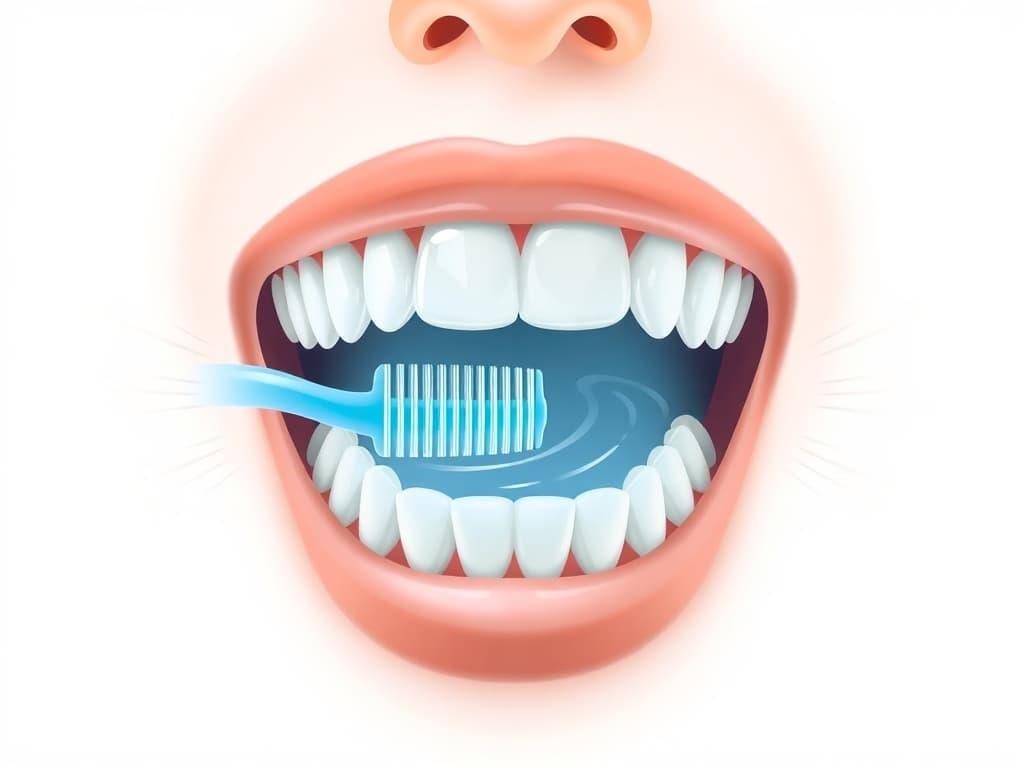
Can Dental Cleaning Prevent Gum Disease? A Comprehensive Look
Dr. Liza Day
Dental Health Expert
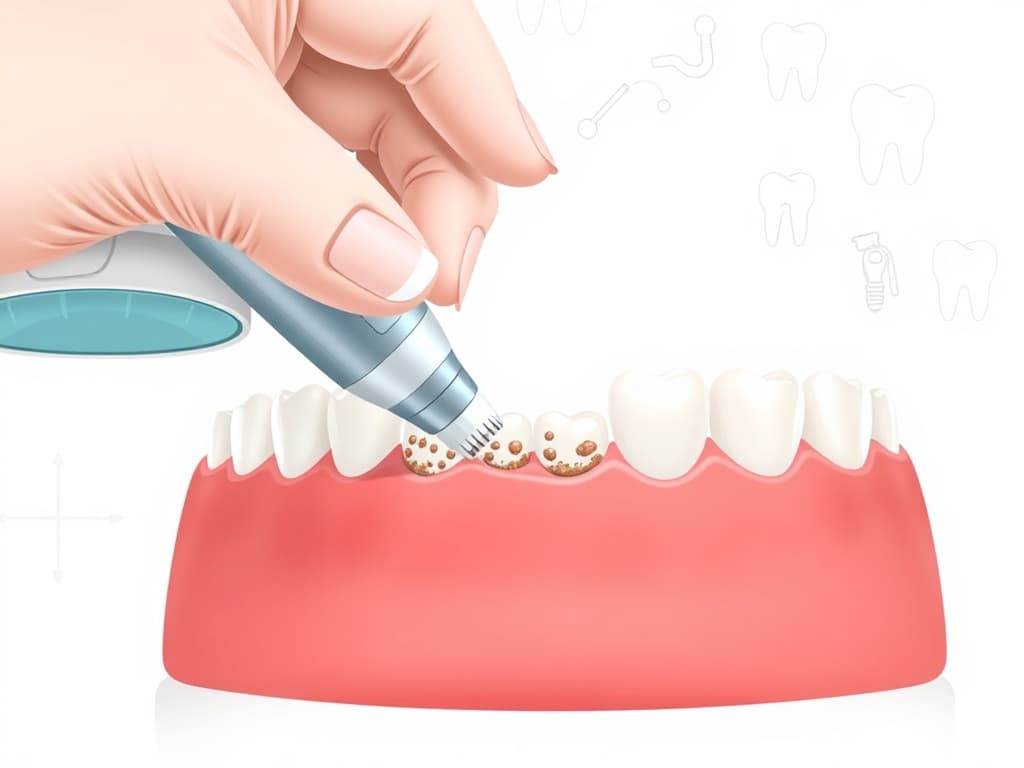
Featured image for: Can Dental Cleaning Prevent Gum Disease? A Comprehensive Look
Understanding how professional dental cleaning works, why it matters for gum health, and what happens if you skip it. Learn the science, benefits, myths, and practical tips to keep your gums disease‑free.
When you hear the phrase “dental cleaning,” you probably picture a quick visit to the dentist where a hygienist scrapes away yellow buildup and polishes your teeth. But the purpose of that appointment goes far beyond a brighter smile. Professional cleaning targets the very root cause of gum disease—plaque and its hardened form, tartar—by removing them before they trigger inflammation and tissue damage.
If you ignore regular cleanings, the microscopic film that clings to teeth can silently evolve into a serious infection. Over time, untreated gum disease can lead to tooth loss, systemic health issues, and a cascade of costs—both financial and emotional. Understanding why cleaning matters, how it works, and what you can do between visits empowers you to protect your gums and overall well‑being.
Table of Contents
Definition / Overview How Dental Cleaning Works Why Regular Cleaning Matters Health Consequences of Neglecting Cleaning Benefits of Professional Cleaning Comparison vs At‑Home Oral Hygiene Impact Across Different Age Groups Economic Considerations Psychological and Lifestyle Factors Preventive and Maintenance Strategies Common Myths and Misconceptions Frequently Asked Questions Conclusion / Summary
Definition / Overview
Dental cleaning, also known as prophylaxis, is a preventive procedure performed by a dental hygienist or dentist. It involves the systematic removal of dental plaque—a sticky biofilm composed of bacteria, food particles, and saliva—from all tooth surfaces, as well as the removal of calculus (tartar), which is plaque that has mineralized and become hard.
The primary goal of a cleaning is to interrupt the cycle that leads to gingivitis (the earliest stage of gum disease) and, if left unchecked, periodontitis (a more advanced, destructive form). While daily brushing and flossing are essential, they cannot always reach every nook and cranny, especially below the gumline where disease often starts.
How Dental Cleaning Works
During a professional cleaning, the hygienist first conducts a visual and tactile examination, often using a small mirror and a probe to assess gum health. They then use ultrasonic scalers—devices that vibrate at high frequencies—to break apart and dislodge tartar above and below the gumline. The ultrasonic action also flushes out debris with a water spray, reducing the need for excessive force.
After the ultrasonic step, hand instruments such as curettes are employed to smooth the root surfaces, a process called root planing. Smoothing eliminates microscopic irregularities where bacteria could hide, making future plaque accumulation less likely. The final polishing stage uses a low‑abrasion paste to smooth the enamel, which helps plaque adhere less readily.
Why Regular Cleaning Matters
Regular cleanings interrupt the bacterial life cycle before it can trigger inflammation. Plaque that remains on the teeth for more than 48 hours begins to release toxins that irritate the gum tissue, causing redness, swelling, and bleeding—classic signs of gingivitis. If these toxins persist, they stimulate the body’s immune response, which, paradoxically, can damage the very structures that hold teeth in place.
By removing plaque and tartar consistently—typically every six months—patients keep bacterial load low, reduce inflammatory markers, and give the gums a chance to heal. This preventive rhythm also makes daily brushing and flossing more effective, because there is less hardened calculus to work around.
Health Consequences of Neglecting Cleaning
When plaque is allowed to mature, it transforms into tartar, which can only be removed with professional tools. Tartar creates a rough surface that shelters more bacteria, accelerating gum inflammation. Persistent inflammation can progress from reversible gingivitis to irreversible periodontitis, where the supporting bone begins to erode.
Beyond tooth loss, research links chronic gum disease to systemic conditions such as cardiovascular disease, diabetes complications, and adverse pregnancy outcomes. While the exact mechanisms are still being studied, the consensus is that untreated oral infection can contribute to systemic inflammation, underscoring why gum health matters for the whole body.
Benefits of Professional Cleaning
First and foremost, professional cleaning provides a level of plaque and tartar removal that cannot be achieved with home care alone. This thoroughness translates into cleaner teeth, healthier gums, and a reduced risk of cavities and gum disease. Additionally, regular visits give dentists the opportunity to detect early signs of problems—such as tiny pockets, recession, or abnormal tissue—that can be addressed before they become serious.
Patients also experience immediate aesthetic benefits: smoother, brighter teeth that feel fresher. Psychologically, the confidence boost from a clean mouth can improve social interactions and overall quality of life. Finally, the cumulative cost of preventing disease through cleaning is generally far lower than the expense of treating advanced periodontal therapy or tooth replacement.
Comparison vs At‑Home Oral Hygiene
Brushing twice a day with fluoride toothpaste and flossing daily are the foundation of oral hygiene. These habits remove the majority of plaque from accessible surfaces. However, they have limitations. Toothbrush bristles cannot reach deep interproximal spaces or the subgingival area (below the gumline), and flossing technique varies widely among individuals.
Professional cleaning complements home care by targeting those hard‑to‑reach areas, removing calculus, and providing a polished surface that resists future plaque adhesion. Think of it as a partnership: daily care maintains the day‑to‑day cleanliness, while periodic professional cleaning acts as a deep‑cleaning service that restores the oral environment to a healthier baseline.
Impact Across Different Age Groups
Children and adolescents benefit from early cleanings because they establish good oral habits and prevent the rapid plaque buildup that can occur with orthodontic appliances. For adults, regular cleanings help manage the gradual increase in gum recession and the higher likelihood of chronic conditions that affect healing.
Seniors often face additional challenges such as reduced dexterity, dry mouth from medications, and a higher prevalence of existing gum disease. In these cases, professional cleaning becomes even more critical, as it can mitigate the accelerated progression of periodontal breakdown and support overall health.
Economic Considerations
While exact costs vary by region and practice, the economic principle is clear: investing in preventive cleaning reduces the likelihood of expensive interventions later. Treating advanced periodontitis may involve scaling and root planing, surgical procedures, and possibly tooth replacement with implants or bridges—all of which far exceed the cost of routine prophylaxis.
Insurance plans in many countries recognize this preventive value and often cover at least two cleanings per year. Even when out‑of‑pocket, the modest expense of a cleaning is a prudent financial choice compared with the potential loss of teeth, lost work days, and associated medical expenses.
Psychological and Lifestyle Factors
The perception of oral health influences daily behavior. People who experience regular cleanings often report higher motivation to maintain good brushing and flossing habits because they see tangible results during appointments. Conversely, those who avoid cleanings may develop anxiety about dental visits, creating a negative feedback loop that worsens oral health.
Lifestyle factors such as smoking, diet high in sugars, and stress can accelerate plaque formation and impair healing. Understanding that professional cleaning can counteract some of these effects empowers individuals to make healthier choices and seek timely care.
Preventive and Maintenance Strategies
Beyond the biannual cleaning schedule, several strategies reinforce gum health. Using an antimicrobial mouth rinse, especially for those prone to gingivitis, can lower bacterial counts between visits. Selecting a soft‑bristled toothbrush and replacing it every three months ensures effective plaque disruption without damaging gum tissue.
Interdental cleaners—such as floss, water flossers, or interdental brushes—target the spaces where a toothbrush cannot reach. For patients with limited manual dexterity, adaptive tools like electric toothbrushes with pressure sensors can improve technique. Finally, maintaining regular dental check‑ups allows the dental team to tailor preventive plans based on individual risk factors.
Common Myths and Misconceptions
Myth 1: “If my teeth look clean, I don’t need a professional cleaning.” The visual appearance of teeth can be misleading; tartar can form below the gumline where it is invisible yet harmful.
Myth 2: “Dental cleanings damage enamel.” Proper cleaning uses low‑abrasion polishing pastes and calibrated instruments that protect enamel while removing deposits.
Myth 3: “Only people with gum disease need cleanings.” Preventive cleaning is beneficial for everyone because it stops disease before it starts, much like a vaccine prevents infection.
Frequently Asked Questions
How often should I get a professional cleaning? Most healthy adults benefit from a cleaning every six months, but those with higher risk—such as smokers, diabetics, or a history of gum disease—may need more frequent visits.
Is cleaning painful? The procedure is generally painless. If you have sensitive gums, the hygienist can adjust pressure and use numbing gels if needed.
Can I skip a cleaning if I brush and floss well? Even the best home care cannot fully eliminate subgingival plaque and calculus. Skipping cleanings increases the risk of hidden disease.
What if I have a dental implant or bridge? Implants and prosthetic work require the same plaque control as natural teeth. Professional cleaning helps prevent peri‑implantitis, an inflammation similar to gum disease around implants.
Do cleanings affect my teeth’s whiteness? Polishing can remove surface stains, making teeth appear brighter, but it does not replace dedicated whitening treatments if that is a goal.
Conclusion / Summary
Professional dental cleaning is a cornerstone of gum disease prevention. By mechanically removing plaque and tartar, it interrupts the bacterial cascade that leads to inflammation, tissue loss, and systemic health impacts. While daily brushing and flossing lay the groundwork, cleanings provide the deep‑cleaning power that home care cannot achieve.
Neglecting regular cleanings invites short‑term discomfort—bleeding gums, bad breath—and long‑term consequences, including tooth loss and broader health risks. The benefits extend beyond oral health, influencing confidence, lifestyle choices, and even financial well‑being. Understanding the science, dispelling myths, and integrating preventive habits ensures that your gums stay healthy throughout life.
Dr. Liza Day
Dental health content specialist at AppointPanda, dedicated to helping patients make informed decisions about their dental care through comprehensive, accurate information.
Get More Dental Tips
Subscribe to get weekly articles delivered to your inbox