How Dental Cleaning Improves Bad Breath
Dr. Liza Day
Dental Health Expert
Featured image for: How Dental Cleaning Improves Bad Breath
Professional dental cleaning reduces bad breath by removing plaque, tartar, and tongue coating, tackling the bacterial sources of odor and supporting long‑term oral health.
Bad breath, medically known as halitosis, is a common concern that can affect confidence and social interactions. While many people associate it with occasional food odors, the underlying causes often involve oral bacteria, plaque buildup, and other factors that are not easily managed by brushing alone.
Understanding how a professional dental cleaning works can clarify why it is frequently recommended as part of a comprehensive plan to control halitosis. Ignoring the role of dental cleaning may lead to persistent odor, gum inflammation, and even deeper oral health problems.
What Really Causes Bad Breath?
Bad breath originates from several sources, but the most frequent culprit is the activity of bacteria that thrive on the surfaces inside the mouth. These microorganisms break down proteins from food particles, saliva, and dead cells, releasing volatile sulfur compounds (VSCs) that produce the characteristic odor.
Key contributors include:
- Dental plaque: A sticky film that forms on teeth and gums, providing a habitat for odor‑producing bacteria.
- Tartar (calculus): Hardened plaque that cannot be removed by regular brushing and harbors bacteria deep within its porous structure.
- Tongue coating: The dorsal surface of the tongue often accumulates debris and microbes that release VSCs.
- Dry mouth (xerostomia): Saliva naturally washes away food particles and neutralizes acids; reduced flow allows bacteria to multiply.
- Dietary factors: Strong‑smelling foods such as garlic, onions, and coffee can temporarily intensify breath odor.
While poor oral hygiene is a primary factor, systemic conditions, certain medications, and lifestyle habits can also influence breath quality. However, the oral environment remains the most controllable element.
What Happens During a Professional Dental Cleaning?
A dental cleaning, often called prophylaxis, is performed by a dental hygienist or dentist and typically consists of three stages: scaling, polishing, and debridement.
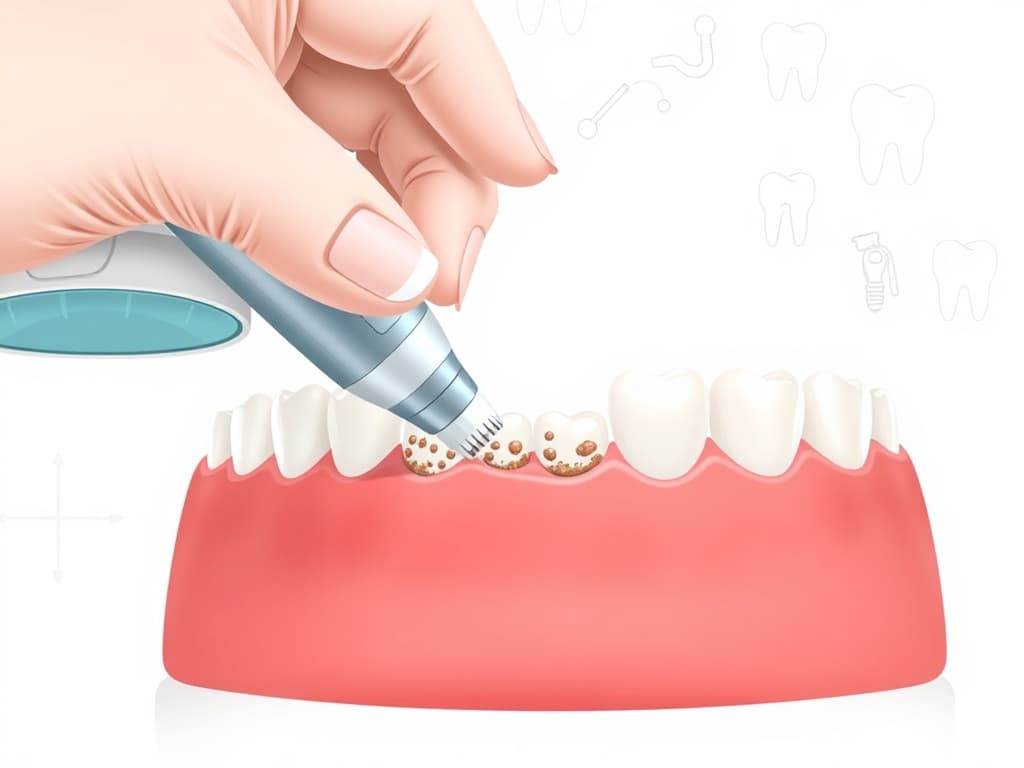
Scaling removes plaque and tartar from the visible surfaces of teeth as well as from below the gumline. Specialized hand instruments or ultrasonic devices break up the hardened deposits without damaging the tooth structure.
Polishing follows scaling and uses a slightly abrasive paste to smooth the enamel surface. A smoother surface is less likely to retain plaque, making daily brushing more effective.
Debridement may include cleaning the tongue, the roof of the mouth, and any oral appliances. The goal is to reduce the overall bacterial load and eliminate hidden niches where odor‑producing microbes can thrive.
Because the cleaning process reaches areas that home care cannot, it provides a level of plaque control that is essential for managing halitosis.
How Cleaning Directly Reduces the Sources of Odor
Removing plaque and tartar is the most direct way a dental cleaning combats bad breath. Plaque is a biofilm rich in anaerobic bacteria, the type most responsible for VSC production. When scaling eliminates this biofilm, the bacterial population drops dramatically, leading to a noticeable improvement in breath freshness.
Polishing the tooth surface creates a smoother enamel that discourages new plaque from adhering tightly. This means that the next day’s brushing effort can be more efficient, maintaining the cleaner environment established during the appointment.
The tongue is often overlooked in at‑home routines, yet it can hold a substantial amount of odor‑causing debris. During a cleaning, the hygienist may use a soft scraper or brush to gently remove the coating, which can instantly reduce VSC levels.
Finally, professional cleaning helps manage gum health. Inflammation and periodontal pockets can trap food particles and bacteria, creating chronic pockets of odor. By reducing plaque at the gumline, cleaning supports healthier gums, which in turn diminishes one of the more persistent sources of halitosis.
Short‑Term vs. Long‑Term Benefits for Breath Freshness
Immediately after a cleaning, most patients notice a fresher mouth. The removal of surface plaque, tartar, and tongue coating eliminates the bulk of the bacteria that generate odor, providing an instant boost in confidence.
Long‑term benefits arise from the cumulative effect of regular cleanings combined with consistent home care. Each appointment resets the bacterial baseline, preventing the re‑accumulation of thick plaque layers that are difficult to manage at home. Over months and years, this can lead to a sustained reduction in VSC production and a lower likelihood of chronic gum disease, both of which are linked to persistent bad breath.
Moreover, regular professional care reinforces good oral‑hygiene habits. When patients see the tangible results of a cleaning—such as smoother teeth and a cleaner tongue—they are often more motivated to maintain effective brushing, flossing, and hydration practices, further extending the breath‑freshening benefits.
Common Misconceptions About Dental Cleaning and Bad Breath
Myth 1: Brushing alone eliminates bad breath. While brushing removes food debris, it cannot reach sub‑gingival plaque or the rough surfaces of tartar. Without professional scaling, hidden bacterial colonies remain.
Myth 2: Mouthwash is a cure‑all. Antiseptic rinses can temporarily suppress odor but do not address the underlying plaque and tartar that continuously feed odor‑producing bacteria.
Myth 3: Dental cleaning is painful and should be avoided. Modern techniques, including ultrasonic scalers and gentle polishing agents, are designed to minimize discomfort. Most patients experience only mild sensitivity, which typically resolves quickly.
Myth 4: If breath is fresh after a cleaning, the problem is solved forever. The effects are temporary if oral hygiene lapses. Ongoing care is essential to keep bacterial levels low.
Myth 5: Bad breath is only a cosmetic issue. Persistent halitosis can signal underlying gum disease or other oral health problems that may require professional attention.
Frequently Asked Questions
Q1: How often should I get a professional cleaning to help control bad breath?
Most dental professionals recommend a cleaning every six months for the general population. Individuals with a history of halitosis or periodontal concerns may benefit from more frequent visits, as advised by their dentist.
Q2: Can a cleaning remove the odor caused by dry mouth?
While a cleaning reduces bacterial load, dry mouth often requires additional strategies such as staying hydrated, using saliva substitutes, or discussing medication side effects with a healthcare provider.
Q3: Will a cleaning affect the taste of food?
After scaling and polishing, many people notice a temporary change in taste perception as the tongue and palate adjust to the cleaner environment. This usually normalizes within a few days.
Q4: Is it safe to use a tongue scraper at home after a professional cleaning?
Gentle use of a tongue scraper can complement professional care, but it should be done carefully to avoid irritation. If you have any concerns, ask your dental hygienist for personalized guidance.
Q5: Are there any risks associated with frequent dental cleanings?
When performed by a qualified professional, routine cleanings are low‑risk. Over‑aggressive scaling can cause gum sensitivity, but this is rare and typically avoided with proper technique.
Conclusion
Professional dental cleaning plays a pivotal role in managing bad breath by targeting the primary sources of odor—plaque, tartar, and tongue coating—and supporting healthier gums. While a single cleaning can provide an immediate freshening effect, the true advantage lies in the long‑term reduction of bacterial activity when combined with consistent at‑home oral hygiene. For anyone concerned about persistent halitosis, consulting a dental professional can clarify the underlying causes and create a personalized plan that includes regular cleanings and supportive home care.
Dr. Liza Day
Dental health content specialist at AppointPanda, dedicated to helping patients make informed decisions about their dental care through comprehensive, accurate information.
Get More Dental Tips
Subscribe to get weekly articles delivered to your inbox