Signs You Need a Professional Dental Cleaning
Dr. Liza Day
Dental Health Expert
Featured image for: Signs You Need a Professional Dental Cleaning
Learn to identify the key signs—such as gum bleeding, persistent bad breath, and tooth sensitivity—that indicate you may need a professional dental cleaning, and understand why timely care matters for oral health.
Regular dental cleanings are a cornerstone of preventive oral health, yet many people are unsure when a professional visit is truly needed. Understanding the cues your mouth gives can help you decide whether it’s time to schedule a cleaning with a dental professional.
Ignoring early warning signs may allow plaque, tartar, or gum inflammation to progress, potentially leading to discomfort, aesthetic concerns, or more serious conditions such as periodontal disease. Recognizing these signals empowers you to act before problems become entrenched.
What a Professional Dental Cleaning Involves
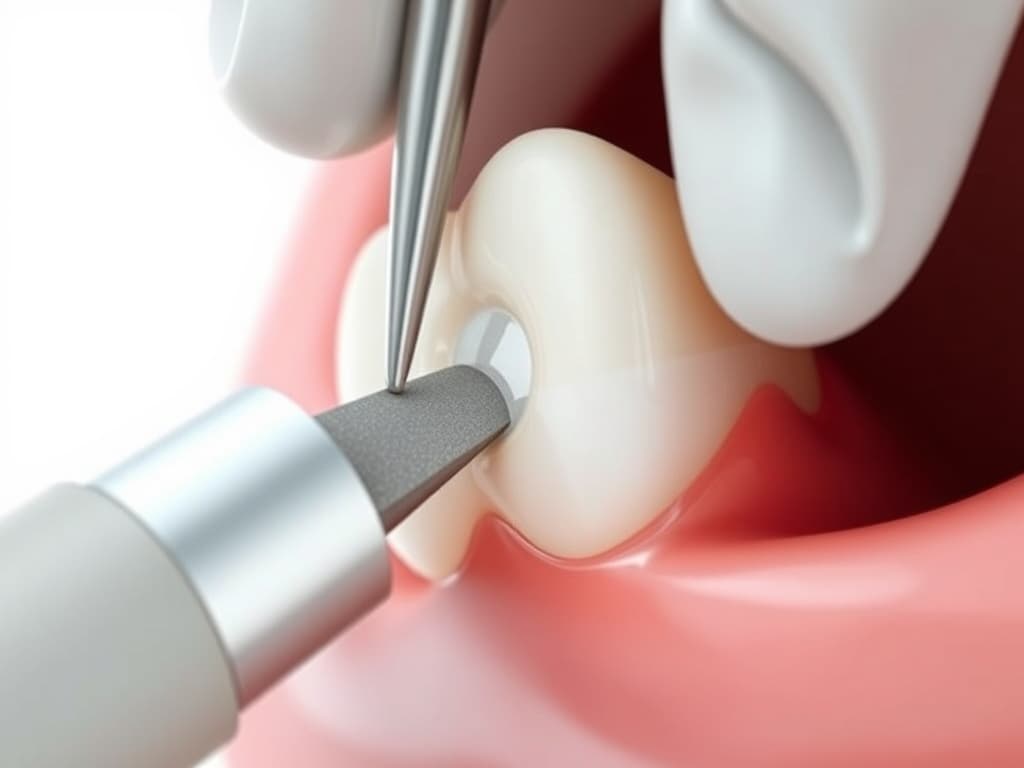
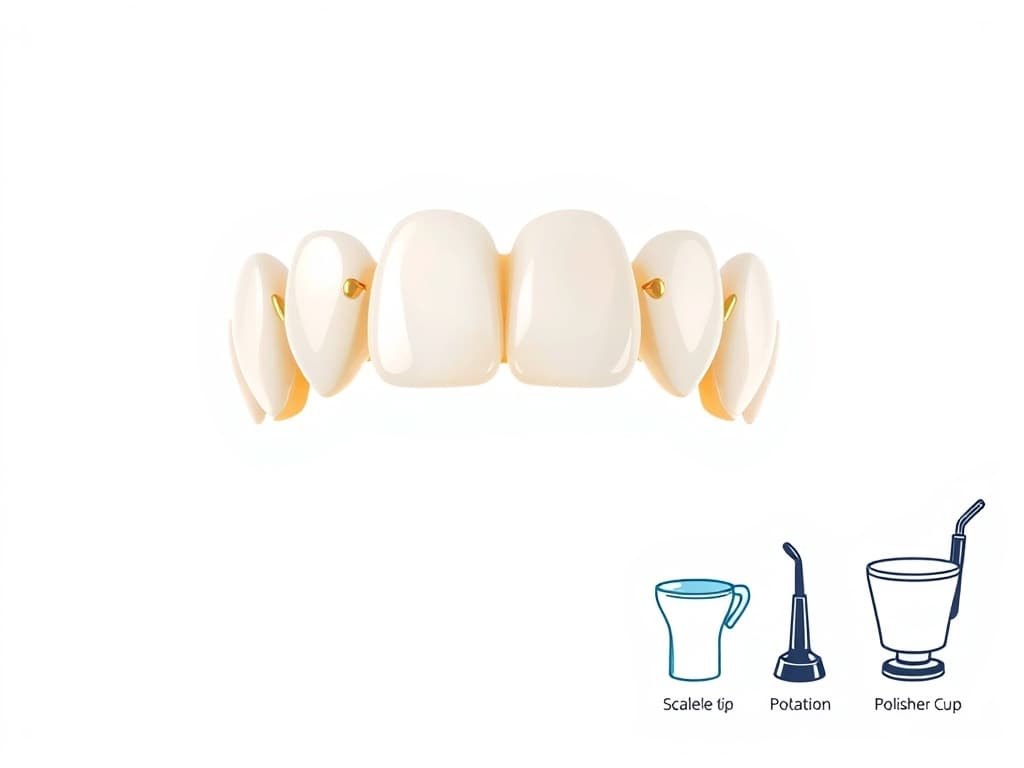
A professional cleaning, often called prophylaxis, typically includes three stages. First, the dental hygienist removes soft plaque from the tooth surfaces using hand instruments or ultrasonic devices. Second, any hardened tartar—calcified plaque that cannot be eliminated by brushing alone—is carefully scaled away. Finally, the teeth are polished to smooth the enamel, making it more resistant to future plaque buildup.
Beyond the mechanical removal of debris, the clinician may also assess gum health, look for early signs of decay, and provide personalized oral‑hygiene advice. The procedure is performed in a controlled environment, ensuring safety and comfort while delivering results that at‑home care cannot achieve alone.
Why Regular Cleanings Are Important for Oral Health
Even with diligent brushing and flossing, microscopic food particles and bacterial films can accumulate in hard‑to‑reach areas. Over time, these deposits can trigger inflammation of the gums, known as gingivitis, which is reversible when caught early. If left untreated, gingivitis may evolve into periodontitis, a condition that can affect the supporting bone and lead to tooth loss.
Professional cleanings also play a preventive role in reducing the risk of cavities, especially in the pits and fissures of molars where plaque tends to linger. Additionally, the polishing step helps to remove surface stains caused by coffee, tea, tobacco, or certain foods, contributing to a brighter smile without the need for over‑the‑counter bleaching products.
Common Signs That Indicate You May Need a Cleaning
While routine appointments are recommended every six months for most adults, several observable signs may suggest that a cleaning is overdue. These cues are often subtle, but paying attention to them can prevent larger issues.
- Visible plaque or a fuzzy feeling on teeth. Even after brushing, a thin, whitish film may remain, especially along the gumline.
- Bleeding gums during or after brushing. Occasional bleeding can be a sign of early gum inflammation.
- Persistent bad breath (halitosis). While diet and dehydration can cause temporary odor, chronic bad breath often stems from bacterial buildup.
- Gum recession or the appearance of longer teeth. When gums pull back, more of the tooth root becomes exposed, increasing sensitivity.
- Tooth sensitivity to hot, cold, or sweet stimuli. Sensitivity can arise when plaque irritates the dentin or when gum recession occurs.
- Discoloration or surface stains that do not respond to regular brushing. Stubborn stains may indicate accumulated plaque or tartar.
- Loose or shifting teeth. While minor movement is normal, noticeable looseness can signal gum disease.
- Changes in bite or difficulty chewing. Altered occlusion may be related to gum recession or early bone loss.
If you notice one or more of these signs, it is reasonable to consider scheduling a professional cleaning. The earlier the intervention, the more likely the issue can be managed conservatively.
Misconceptions About Dental Cleanings
Several myths surround professional cleanings, often leading people to delay care. One common belief is that cleanings are only necessary when you experience pain. In reality, many oral‑health problems develop silently, and a cleaning can reveal hidden issues before they become painful.
Another misconception is that a cleaning is a purely cosmetic service. While aesthetic benefits such as stain removal are real, the primary purpose is health‑focused: removing plaque and tartar that can trigger disease. Finally, some think that a cleaning is a quick, one‑size‑fits‑all procedure. The duration and techniques used can vary depending on individual oral conditions, and the clinician tailors the visit to your specific needs.
When to Seek Professional Advice Beyond a Routine Cleaning
If any of the signs listed above are accompanied by persistent swelling, pus, a persistent bad taste, or severe pain, it may indicate an infection or advanced gum disease that requires more than a standard cleaning. In such cases, a comprehensive examination, possible X‑rays, and a treatment plan developed by a dentist become essential.
Similarly, individuals with systemic conditions such as diabetes, heart disease, or compromised immune systems may need more frequent cleanings and closer monitoring, as oral health can influence overall health. Discussing your medical history with your dental team helps them adjust the frequency and scope of care appropriately.
Pregnant individuals, people undergoing orthodontic treatment, or those using certain medications (e.g., blood thinners) should also inform their dentist, as these factors can affect bleeding risk or gum response during cleaning.
Frequently Asked Questions
- How often should most adults get a professional cleaning? For many adults, a six‑month interval is a common recommendation, though frequency may be adjusted based on gum health, plaque levels, and personal risk factors.
- Can I brush away tartar at home? Tartar is hardened plaque that adheres tightly to the tooth surface; regular brushing cannot remove it. Only dental instruments used by professionals can safely and effectively eliminate tartar.
- Is a cleaning painful? The procedure is generally comfortable. Some individuals experience mild sensitivity or a brief tugging sensation, but any discomfort is usually temporary.
- Will a cleaning fix tooth sensitivity? Removing plaque and polishing the enamel may reduce sensitivity caused by surface irritation, but if sensitivity persists, a dentist can evaluate deeper causes.
- Do I need a cleaning if I have perfect oral hygiene? Even the most diligent home care can miss microscopic areas where plaque accumulates. Regular professional cleanings serve as a safety net to maintain optimal oral health.
Conclusion
Recognizing the signs that suggest a professional dental cleaning is needed can help you maintain a healthy mouth and avoid more serious problems down the line. Visible plaque, gum bleeding, persistent bad breath, and changes in tooth appearance are all cues that your oral environment may benefit from a professional touch.
While at‑home care forms the foundation of oral health, periodic cleanings provide a level of plaque and tartar removal that cannot be replicated with a toothbrush alone. When in doubt, reaching out to a dental professional for an evaluation ensures that any concerns are addressed promptly and safely.
Dr. Liza Day
Dental health content specialist at AppointPanda, dedicated to helping patients make informed decisions about their dental care through comprehensive, accurate information.
Get More Dental Tips
Subscribe to get weekly articles delivered to your inbox